A federal proposal that started as a national-security measure on raw steel, aluminum and copper is now reaching into ordinary hardware-store shelves. The Commerce Department’s Bureau of Industry and Security published a notice on August 6 proposing to add 14 new categories of everyday metal goods — including propane cylinders, fire extinguishers, electric conductor cable and several types of trailers — to the existing Section 232 tariffs, at rates as high as 50 percent. Nothing has been decided yet, and no household is paying a new tariff on a grill tank or a garage fire extinguisher today. But this is the first version of this tariff round to reach a genuine shopping list of household items rather than industrial inputs.
What Bureau of Industry and Security Actually Proposed
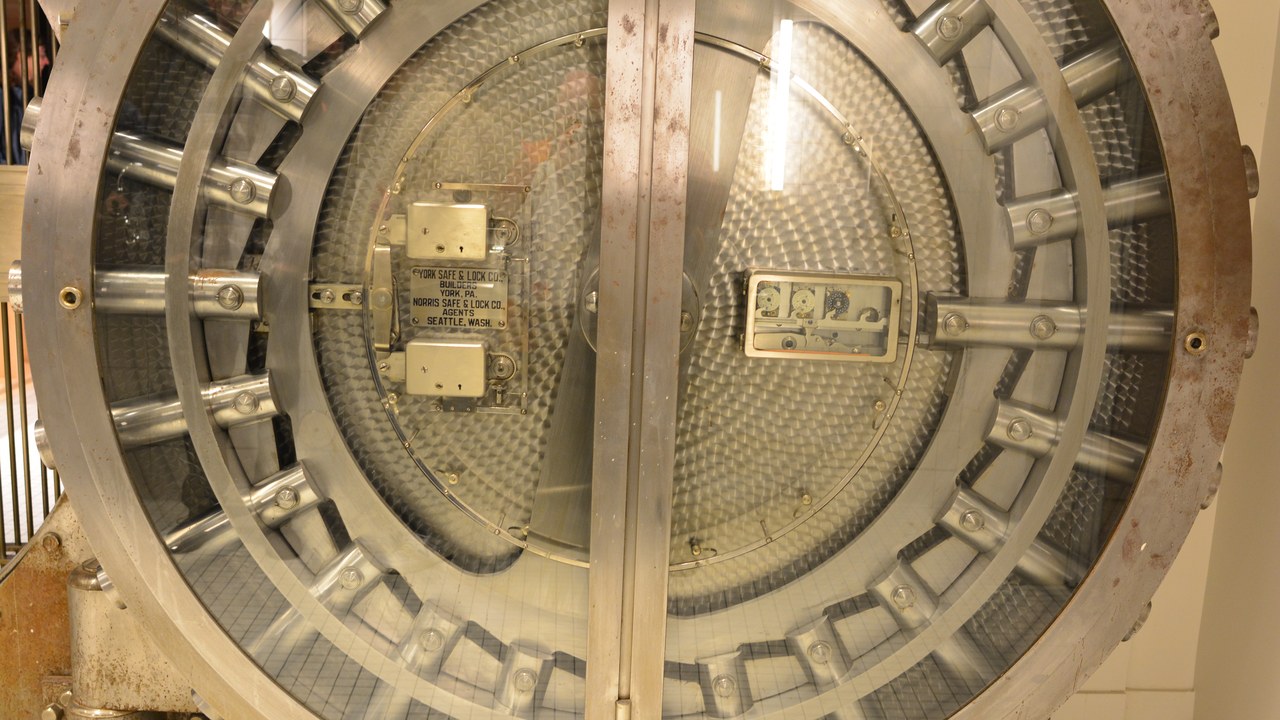
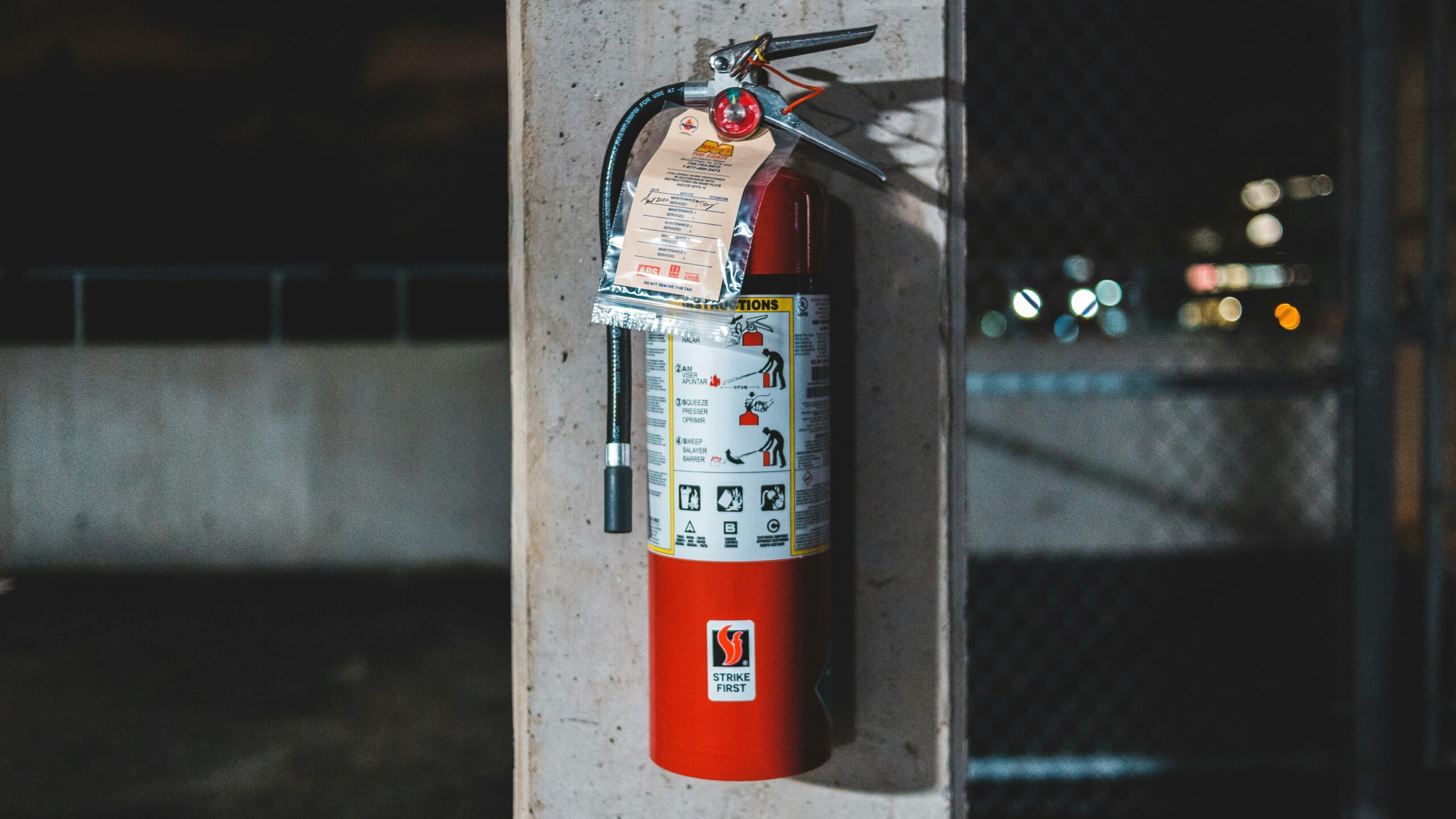
The notice, filed under Docket No. 260803-0182 and published in the Federal Register at 91 FR 50756, lists 14 specific products Commerce believes are made predominantly of steel, aluminum or copper by weight and whose imports it says threaten to undercut the existing metals tariffs. Alongside propane cylinders and fire extinguishers, the list includes aluminum powder, brass-wind musical instruments, welding machine parts, free-standing floor safes, parts of heat exchangers, certain hydraulic engine parts, self-propelled cranes, and several categories of tanker, agricultural and general-purpose trailers. Most of these items would carry a 25 percent duty if the proposal is finalized as written. Agricultural trailers would be treated as farm equipment at 15 percent, while filled steel containers — the category that covers propane cylinders, along with oxygen and propene tanks — would carry the steepest rate, 50 percent, applied only to the value of the metal container itself and not to whatever is inside it.
Free retirement updates: Enrollment and claim windows come and go, and missing one can cost you real money. The free Retirement Shield newsletter keeps you ahead of the deadlines that matter. Sign up free.
Why “Proposed” Is Doing All the Work in This Headline
This step traces back to a presidential proclamation signed April 2, 2026, that gave the Commerce Secretary and the U.S. Trade Representative authority to add new derivative products to the metals tariffs whenever they jointly determine that rising imports of a specific item threaten to undercut the broader tariff program. What Commerce published on August 6 is the notice inviting public comment on using that authority for these 14 products — not a final rule, and not an announcement that the tariffs are now being collected. The comment period closed August 27, and the Federal Register’s own tracker for the document confirms comments are no longer being accepted, which means Commerce is now in a position to finalize, revise or drop the proposal, but as of this writing has not announced which.
Why Commerce Skipped the Usual Public Comment Requirement
Under normal federal rulemaking, agencies are required to give the public formal notice and a comment period before a rule takes effect. Commerce’s notice states plainly that this requirement does not legally apply here, because the underlying tariff program is classified as a military and national-security action tied to steel, aluminum and copper’s role in weapons production — a category Congress exempted from the standard rulemaking process. Commerce chose to solicit comments anyway, saying public input “may help to better inform the decision-making process,” but that comment period was a courtesy rather than a legal requirement, which also means there is no guaranteed additional public notice before Commerce decides whether to finalize these 14 items.
What a Household Would Actually Feel If This Is Finalized
A 25 or 50 percent import duty does not automatically translate into a store price increase of the same size, but it does raise the cost basis for any retailer, propane exchange service or hardware distributor that imports these goods or their components. Propane cylinder exchange programs at grocery stores and gas stations, replacement fire extinguishers sold at hardware chains, and any trailer or cable purchase that touches an import supply chain would be the products to watch. Because this proposal has not been finalized, there is no verified dollar impact yet to report — anyone circulating a specific “your grill tank will cost $X more” figure right now is estimating ahead of an actual decision, not quoting one.
This Round Follows a Pattern of Steady Additions
The August 6 notice is not the first time the Section 232 metals program has reached well past raw steel, aluminum and copper. In August 2025, BIS finalized an earlier expansion that added 407 separate derivative product categories to the tariff list under the broader Section 232 derivative-expansion authority the current propane-cylinder and fire-extinguisher proposal also relies on — items as varied as wind turbine components, mobile cranes, bulldozers, railcars, furniture, and industrial compressors and pumps. That round took effect August 18, 2025, at the same 50 percent ceiling rate now proposed for filled steel containers. The pattern across both rounds is consistent: a product category first appears in a comment notice, then either takes effect on its own administrative timeline or gets folded into a broader steel-and-aluminum proclamation later. For a household or a small business trying to plan around a purchase, the practical lesson from that history is that products flagged for inclusion rarely disappear from consideration entirely, even when the specific rate or effective date that eventually applies differs from what was first floated in the notice.
What to Watch For Next
The next concrete milestone is a Commerce Department decision on whether to adopt some, all or none of the 14 proposed categories, and at what rate — that determination, once made, would appear as a new notice or proclamation in the Federal Register rather than as a press statement alone. Anyone who wants to track this directly can follow the Section 232 program page maintained by the Bureau of Industry and Security, which lists prior derivative-product additions under the same authority established by Proclamation 11021. Until a final decision is published, propane cylinders and fire extinguishers remain outside the Section 232 tariff system, exactly as they were before August 6.
This article was produced with AI assistance and reviewed by a human editor. Figures are linked to their primary sources; where a claim could not be verified from the public record, we say so.
More Financial Reading