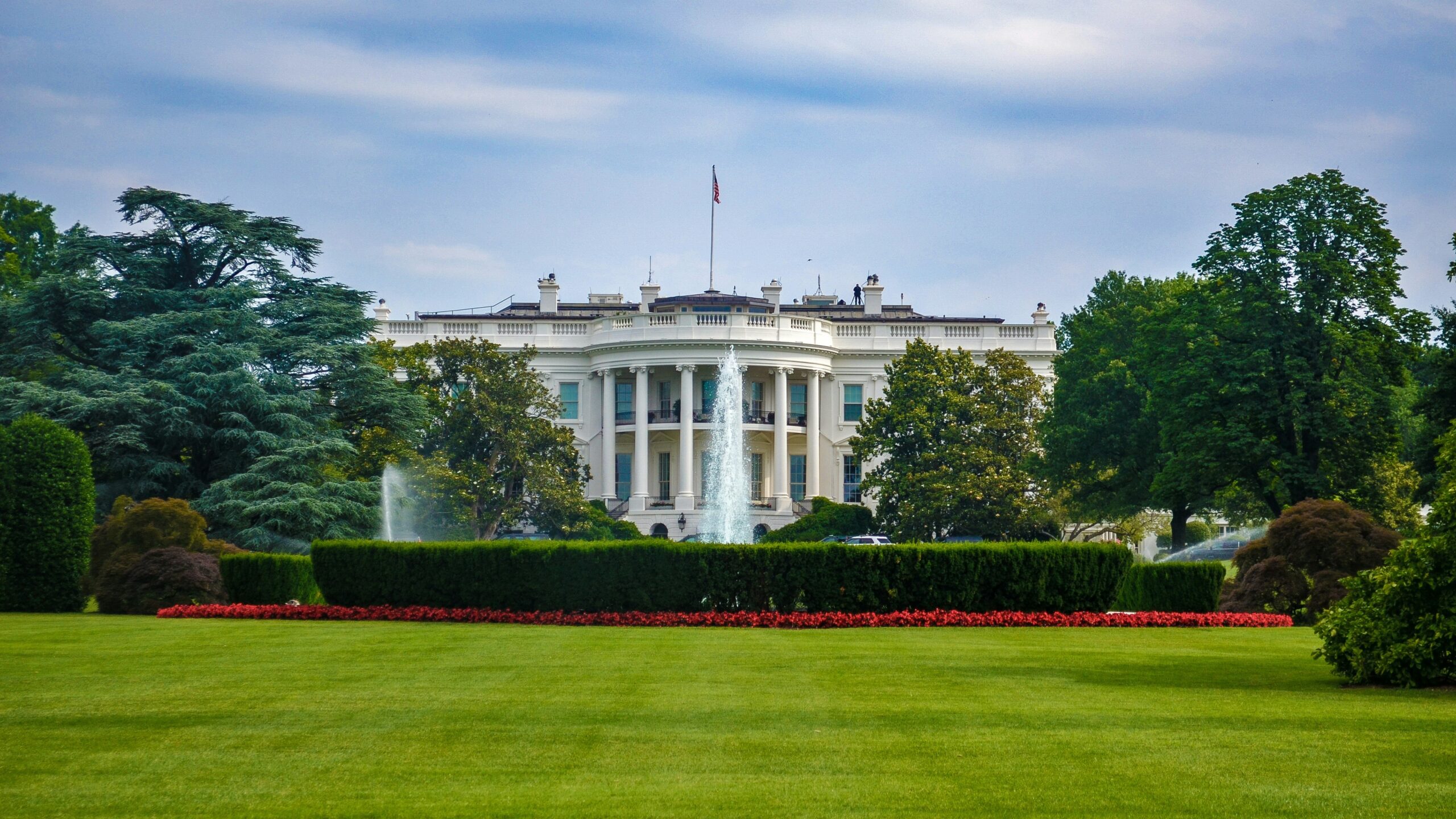
Every autumn, a decades-old formula quietly tells federal agencies how much General Schedule employees are due to see in their paychecks the following January. For 2027, that formula pointed toward a 3.1 percent across-the-board raise on top of a locality pay adjustment averaging 20.6 percent nationwide. On August 26, the White House sent Congress an alternative plan that throws that formula out and holds most civilian federal pay exactly where it sits today.
The Raise That Was Already on the Books
The default increase comes from the Federal Employees Pay Comparability Act, a 1990 law that ties General Schedule raises to a formula built around private-sector wage growth, unless a president steps in with a different plan. Left alone, the formula would have produced the 3.1 percent base increase plus locality adjustments that, combined, were projected to cost the government roughly $26 billion in the first year. That built-in override is exactly why an “alternative plan” exists at all: the law lets a president cap or cancel the automatic raise by citing economic conditions, and presidents of both parties have used that authority in some years and let the formula run untouched in others.
This year’s alternative plan, transmitted as House Document 119-189, invokes the president’s authority under 5 U.S.C. 5303(b) to set base pay and locality pay at 2026 rates for the entirety of calendar year 2027 — a full freeze rather than a partial cap.
Locality pay itself is calculated from wage data the Bureau of Labor Statistics collects for comparable non-federal jobs in a given metro area, which is why the adjustment normally varies by city rather than applying as a single national number. When that comparability survey shows federal salaries falling further behind local private-sector pay, the underlying formula calls for a larger locality adjustment in the areas where the gap is widest — part of why this year’s default figure, an average 20.6 percent increase nationwide, was large enough on its own to draw a full override rather than a partial trim of the kind past alternative plans have sometimes used.
Free retirement updates: Miss an enrollment or claim deadline and it may be gone. Our free Retirement Shield newsletter keeps readers ahead of the ones that matter. Get the free newsletter.
Why a Freeze Instead of a Smaller Raise
The transmittal frames the freeze as a fiscal-responsibility measure, pointing to the $26 billion price tag of letting the statutory formula run in a single year. Rather than trimming the increase, as some prior alternative plans have done, this plan holds every General Schedule step at its current dollar value. The practical effect shows up directly on the 2026 General Schedule pay tables published by the Office of Personnel Management: those are the same numbers a General Schedule employee would still be paid under in January 2027 if the plan takes effect as written, with no automatic step up for inflation or local wage comparability built in.
A Determination, Not Yet a Law
An alternative pay plan is not a bill moving through committee votes. It is a presidential determination, submitted to Congress and referred to the House Committees on Oversight and Government Reform and Armed Services, that becomes operative only when the president signs an executive order specifying the actual pay tables — a step that historically happens in December, just before the new rates would take effect the following January. Congress retains the power to enact its own pay adjustment in the meantime, though it has not done so this year. That window is a deliberate feature of the comparability law: it gives lawmakers a formal chance to override the president’s plan with their own legislation before the year ends, even though such an override has been rare in the plan’s history. Until that December order is signed, the freeze described in House Document 119-189 is a stated intention, not a locked-in number, which is why every account of it — including this one — uses “would,” not “has.”
What a Flat Paycheck Means Against Rising Costs
Locality pay exists specifically to close the gap between federal salaries and what comparable private-sector jobs pay in a given metro area, a gap that the pay-comparability law assumes reopens every year unless it is closed. Freezing locality pay at 2026 rates for a second consecutive planning cycle means that gap, wherever it exists in a given city, does not close in 2027 either. For a General Schedule employee budgeting a mortgage, a lease renewal, or a grocery bill against next year’s paycheck, the practical takeaway is simple: absent a change in the government’s math this fall, the number on the pay stub in January 2027 is the same number that’s on it today, even as everyday costs continue moving. That matters most in the metro areas where the comparability survey had identified the widest gaps between federal and private-sector pay, since those are the same areas that were in line for the largest locality adjustments under the formula the freeze overrides.
Law Enforcement and the Military Are Routed Differently
The same document that freezes General Schedule pay carves out two exceptions. Federal law enforcement personnel are directed to receive a 3.8 percent increase, though the specific positions covered by that carve-out have not yet been designated. Members of the armed forces are on an entirely separate track under the plan, with proposed increases ranging from 5 to 7 percent depending on rank — a raise that, unlike the civilian freeze, is actually being added rather than withheld. Basic pay for service members currently runs on the 2026 tables published by the Defense Finance and Accounting Service, which would become the starting point for any January 2027 increase.
What connects both halves of the document is the same underlying tool: a presidential determination that overrides the automatic formula, for civilian and military pay alike, and that only becomes binding once the December executive order sets the actual 2027 tables. Until then, House Document 119-189 remains exactly what its title says it is — an alternative plan, transmitted and pending, not a finished pay freeze.
This article was produced with AI assistance and reviewed by a human editor. Figures are linked to their primary sources; where a claim could not be verified from the public record, we say so.
More Financial Reading