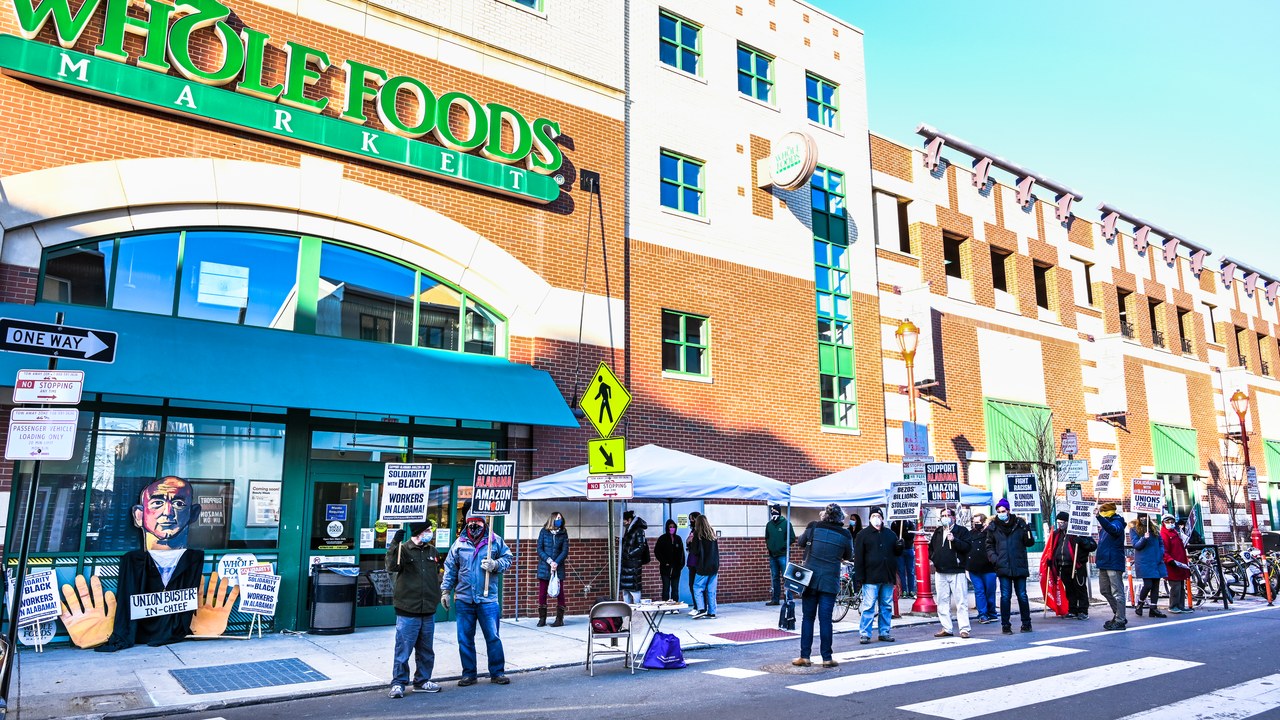
After a six-year-old labor dispute in a small Pennsylvania town, the National Labor Relations Board has just announced one of the larger strike settlements it has issued this year. Langeloth Metallurgical Company will pay $3,662,485 to 51 former strikers after the Board’s Region 6 found the company illegally slow-walked or refused to bring workers back once their union ended a strike and asked for their jobs back. Divided evenly, that works out to about $71,813 per worker — though, as the settlement’s own structure makes clear, no single striker is actually getting that exact amount.
A Strike That Started in 2019 and a Case That Took Six Years to Resolve
The dispute traces back to an economic strike by workers represented by the UAW and UAW Local 1311 at Langeloth Metallurgical’s plant in Langeloth, Pennsylvania, which ran from approximately September 19, 2019, through August 16, 2021. When the union made an unconditional offer to return to work in September 2021, federal law required the company to reinstate the strikers to their jobs, or to a preferential rehire list if positions weren’t immediately available. An Administrative Law Judge, Sarah Karpinen, ruled on July 16, 2025, that Langeloth had reinstated some strikers but unlawfully failed to reinstate or delayed reinstating approximately 60 of them. The case was still pending before the full Board on exceptions when the parties reached a settlement, which Region 6’s Acting Regional Director approved on July 22, 2026.
Free retirement updates: Social Security and Medicare change every year, and nobody sends you a memo. Our free Retirement Shield newsletter breaks down what changed and what to do. Get it free in your inbox.
What the $3.66 Million Actually Covers
The settlement is not a single lump payment split evenly. According to the NLRB’s announcement, the $3,662,485 total includes backpay for lost wages, missed 401(k) contributions, reimbursable expenses, interest, and compensation for the extra tax burden that comes from receiving years of backpay in one lump sum. It also includes front pay for former strikers who agreed to waive their right to reinstatement rather than return to the plant. Because those pieces vary by how long each worker went without a job and whether they chose front pay over reinstatement, the total was never designed to be distributed as an equal amount per person.
The $71,813 Average Isn’t What Any One Worker Receives
Dividing the settlement total by the 51 former strikers eligible for monetary relief produces an average of roughly $71,813 each. That figure is useful for understanding the scale of the settlement, but it is an arithmetic average across very different individual awards, not a fixed per-worker payout. A worker who went without a paycheck for the better part of two years and lost significant 401(k) contributions would be owed far more in backpay than someone whose situation was shorter or less costly, and workers who took front pay in place of reinstatement received a distinct calculation tied to that trade-off.
Why Only 51 of the 60 Strikers Named in the Judge’s Ruling
The Administrative Law Judge’s July 2025 decision addressed roughly 60 former strikers the company failed to timely reinstate. The settlement that followed, however, resulted from a negotiated compromise between the NLRB and Langeloth, and it provides monetary relief specifically to the 51 individuals the Region determined were eligible for reinstatement. Acting Deputy General Counsel Lynisa Michalski said the agreement delivers 100 percent of the Region’s calculated monetary damages to date, calling it the product of Region 6 staff securing comprehensive relief while avoiding years of additional litigation over Case No. 06-CA-290184.
Front Pay Closed the Door on Further Reinstatement
Of the total settlement, $1.275 million is allocated specifically to front pay for former strikers who elected to waive reinstatement rather than return to work at the plant. Front pay is a remedy federal labor law allows in place of an actual job offer, when a worker prefers a payout to going back to a former employer. Because those workers accepted front pay, the settlement states that no additional reinstatements are required under its terms, so the case closes without any of the 51 workers being ordered back onto the Langeloth payroll. The right of economic strikers to reinstatement, and the exceptions to it, are outlined in the NLRB’s own explanation of the right to strike under federal law.
The Company Also Has to Fix Records and Notify Workers
Beyond the money, Langeloth agreed to correct the seniority dates used to calculate vacation accrual for former strikers who were reinstated, to post a formal Notice to Employees at the plant, and to send written notification to the affected former strikers confirming the company removed any reference to its failure to reinstate or timely recall them from their personnel files. The settlement, reached through the NLRB’s settlement process, closes the case before the Board issued its own decision, meaning Langeloth resolved the matter without the Board itself ruling on the merits, building instead on the earlier Administrative Law Judge finding that triggered the settlement talks.
This article was produced with AI assistance and reviewed by a human editor. Figures are linked to their primary sources; where a claim could not be verified from the public record, we say so.
More Financial Reading