A new tax break for older Americans has been widely, and wrongly, described as the end of taxes on Social Security. What the law actually created is narrower: a temporary $6,000 deduction for people 65 and older that starts shrinking once income passes $75,000 and expires entirely after 2028. Understanding the real shape of it matters, because the difference between the myth and the mechanics is real money on a return.
What the deduction really is
The measure came out of the 2025 tax-and-spending law often called the One Big Beautiful Bill. It adds a new $6,000 deduction for taxpayers who are 65 or older, and the IRS describes it as an enhanced deduction for seniors that sits on top of the deductions they already get. It does not replace the regular standard deduction or the existing extra amount for being over 65; it stacks on both.
Crucially, it is a deduction, not an exemption of Social Security income. Political shorthand turned it into no tax on Social Security, but the law never repealed how benefits are taxed. It simply lets eligible older filers subtract more from taxable income, which lowers the tax bill without touching the underlying rules on benefits.
Free retirement updates: Social Security and Medicare change every year, and nobody sends you a memo. Our free Retirement Shield newsletter breaks down what changed and what to do. Get it free in your inbox.
The income phase-out
The break is aimed at middle-income retirees, and the law enforces that with a phase-out. The full deduction is available to single filers with modified adjusted gross income up to $75,000 and married couples up to $150,000. Above those points the deduction shrinks, disappearing completely at $175,000 for singles and $250,000 for couples.
For a household near the threshold, that gradual fade is the number to watch. A retiree whose income drifts above $75,000, perhaps from a large required withdrawal or a one-time capital gain, will see part of the deduction melt away, so timing income across years can preserve more of it.
The phase-out is based on modified adjusted gross income, which for most retirees is close to their total income before the deduction. That is a useful planning lever: a retiree who is a few thousand dollars over the line might reclaim part of the deduction by shifting a discretionary IRA withdrawal into a lower-income year, or by taking a qualified charitable distribution that keeps money out of taxable income. Small moves near the threshold can be worth more than they look, because they decide how much of the $6,000 actually survives.
How much it is actually worth
A deduction is not a dollar-for-dollar refund; it reduces the income that gets taxed. The actual savings depend on a filer’s bracket, so a $6,000 deduction is worth more to someone in a higher bracket than to someone in a lower one. For a married couple where both spouses are 65 or older, the deduction can reach $12,000 combined, because each qualifying spouse can claim it.
Stacked on the regular standard deduction and the existing age-65 addition, the new break can meaningfully cut what a modest-income retiree owes. That is the honest selling point: not the elimination of tax on benefits, but a larger write-off for older filers within the income limits.
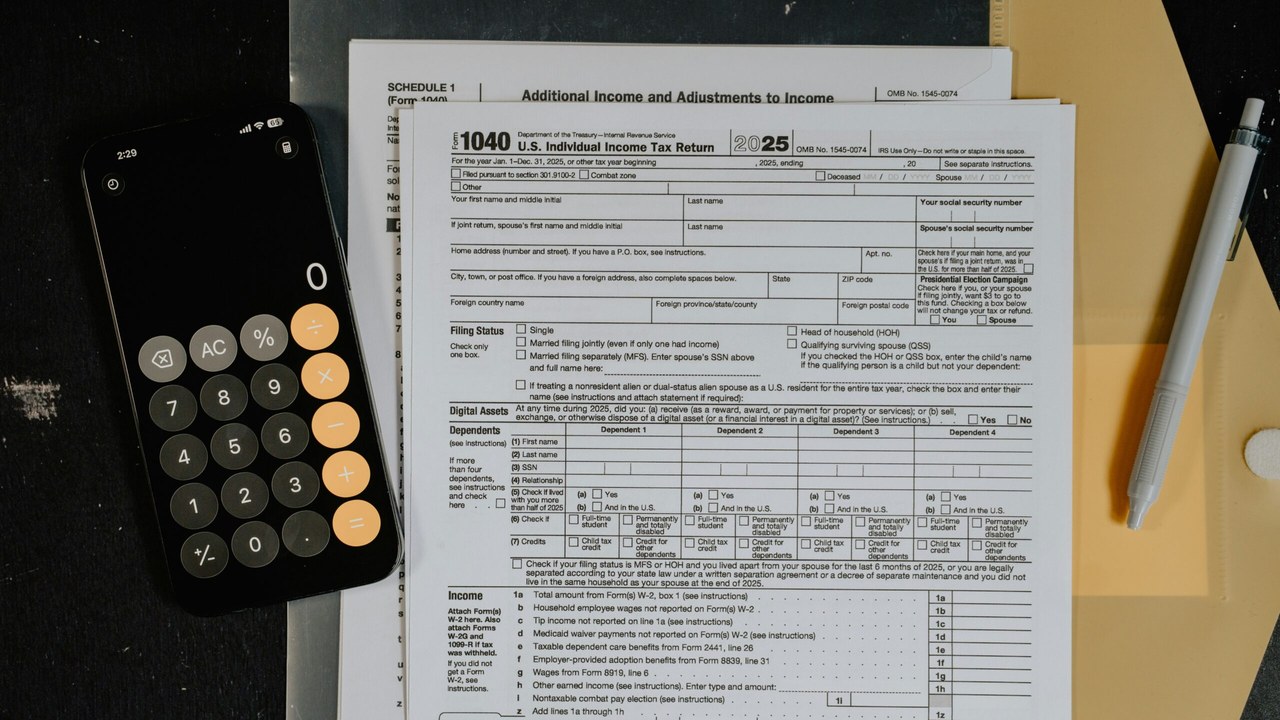
One practical point often gets lost: because the deduction is available whether or not a filer itemizes, most older taxpayers who take the standard deduction can claim it without changing anything else about how they file. There is no separate application and no fee. The amount flows through the normal return, which is exactly why paying someone to unlock it is unnecessary.
The 2028 expiration
This is a temporary provision. It applies to tax years 2025 through 2028 and then sunsets unless Congress extends it. That built-in expiration means a retiree planning several years out cannot assume the deduction will still exist in 2029, and any strategy that leans on it should account for the possibility that it goes away on schedule.
The sunset also shapes near-term planning. Because the benefit is guaranteed only through 2028, there is a case for making the most of it in the years it is available rather than counting on a renewal that has not happened.
The reality check that protects you
The most important thing an older taxpayer can do with this break is separate the fact from the framing. The deduction is real, it is claimable, and within the income limits it lowers a tax bill. But it is not a repeal of tax on Social Security, it phases out above $75,000, and it expires after 2028. Anyone who hears a pitch promising that seniors now pay no tax on their benefits, or who is asked to pay a fee to claim the break, is hearing a distortion of a straightforward IRS deduction that costs nothing to take on a normal return.
For most eligible households the action item is small but worth it: make sure the return actually reflects the deduction. Software and paid preparers should apply it automatically for a filer who is 65 or older, but it is worth confirming the amount appears, especially for someone who files a simple return by hand. A couple where both spouses qualify should check that each one’s deduction is captured, since missing a spouse’s share leaves several thousand dollars of deduction unused.
This article was produced with AI assistance and reviewed by a human editor. Figures are linked to their primary sources; where a claim could not be verified from the public record, we say so.
More Financial Reading