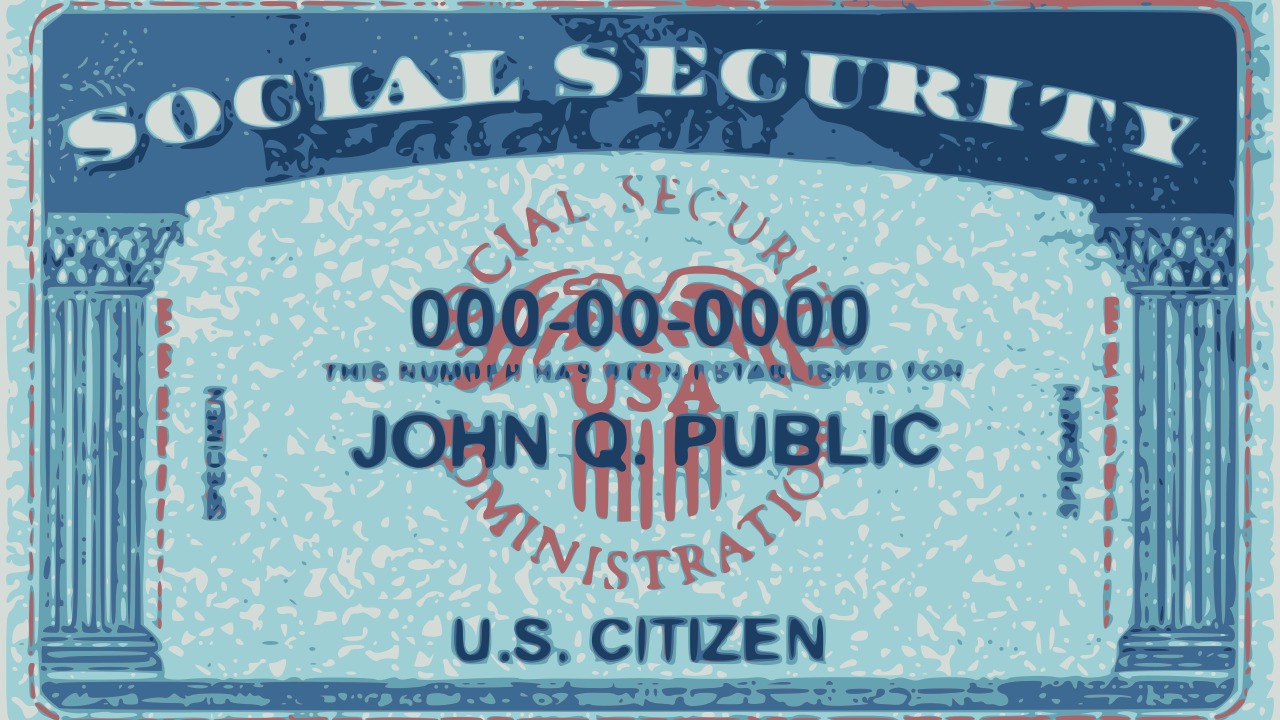
It is one of the most jarring surprises a grieving family runs into: Social Security asks for a payment back. A person who dies is not entitled to a benefit for the month of death, so if a check or direct deposit for that month has already landed, it has to be returned. The rule catches families off guard because the money is usually already sitting in the account when the request comes.
The rule that surprises families
Social Security benefits are paid one month behind. The payment that arrives in, say, August is actually the benefit for July. Because of that timing, a person must live the entire month to be owed that month’s benefit, and the Social Security Administration is explicit that a benefit is not payable for the month of death. If someone dies on August 28, the family does not keep the August benefit even though the person was alive for nearly the whole month.
This trips up households because the deposit for the prior month usually arrives right around the time of the death. It feels like the person’s money, and in a sense it was, but under the timing rule it was not yet earned. The estate or the person who received it will be asked to send it back.
Free retirement updates: Miss an enrollment or claim deadline and it may be gone. Our free Retirement Shield newsletter keeps readers ahead of the ones that matter. Get the free newsletter.
How the money actually gets returned
When a death is reported, the mechanics differ depending on how the benefit was paid. For direct deposit, the government typically contacts the bank and reclaims the payment for the month of death automatically, a process the bank handles by pulling the funds back. A family that spends that deposit before the reclamation can find the account overdrawn, which is why it is wise to leave a month’s benefit untouched until Social Security confirms what is owed.
If a paper check for the month of death arrives, it should not be cashed; it should be returned to the Social Security Administration. Cashing it only creates an overpayment that has to be repaid later, sometimes after the money is gone.
Who is supposed to report the death
In most cases the funeral home reports the death to Social Security as a courtesy, using the deceased person’s Social Security number. Families should confirm this was done rather than assume it, because reporting the death is what stops future payments and starts any survivor benefits the family may be owed. The agency does not learn of a death on its own in real time.
Continuing to receive and spend benefits after a death, even unknowingly, builds an overpayment that Social Security will eventually pursue. Reporting promptly protects the family from a clawback that grows month by month.
The one payment a survivor can keep
There is a benefit that flows the other direction. A surviving spouse who was living with the deceased, or in some cases a spouse or child who was already receiving benefits on that person’s record, can claim a one-time lump-sum death payment of $255. It is modest and has not changed in decades, but it is real money the family is entitled to and must apply for, generally within two years of the death.
Beyond that lump sum, survivors may qualify for ongoing monthly survivor benefits based on the deceased worker’s earnings record. Those are separate from the month-of-death rule and can be a meaningful part of a widow’s or widower’s income, so applying promptly matters.
How to avoid a clawback
The safest approach for a grieving family is simple restraint. Do not cash a check for the month of death, and do not spend a direct deposit for that month until Social Security has confirmed what, if anything, the family keeps. Report the death promptly, ask specifically about the lump-sum death payment and any survivor benefits, and keep records of every call.
None of this is a penalty; it is the accounting catching up with a payment that was never technically due. A family that understands the month-behind timing can set the money aside, return what is owed without drama, and claim the survivor benefits it is actually entitled to.
The traps that turn a small return into a big one
The month-of-death rule is manageable when handled quickly and expensive when ignored. The most common trap is a joint account holder who keeps drawing on benefits deposited after the death, either not realizing the payments have stopped being due or hoping to sort it out later. Each additional month adds to the overpayment, and Social Security can and does recover it, sometimes by reducing a survivor’s own future benefits.
Another trap is confusing the returned month-of-death payment with survivor benefits. They are not the same thing, and returning one does not forfeit the other. A surviving spouse can owe back the deceased’s final payment while at the same time becoming eligible for ongoing survivor benefits on that record. Treating them as one pool of money, and assuming a clawback means there is nothing left to claim, causes families to walk away from benefits they are owed. When in doubt, the safest move is to call Social Security, explain the date of death, and let the agency lay out exactly what must be returned and what can be claimed.
This article was produced with AI assistance and reviewed by a human editor. Figures are linked to their primary sources; where a claim could not be verified from the public record, we say so.
More Financial Reading