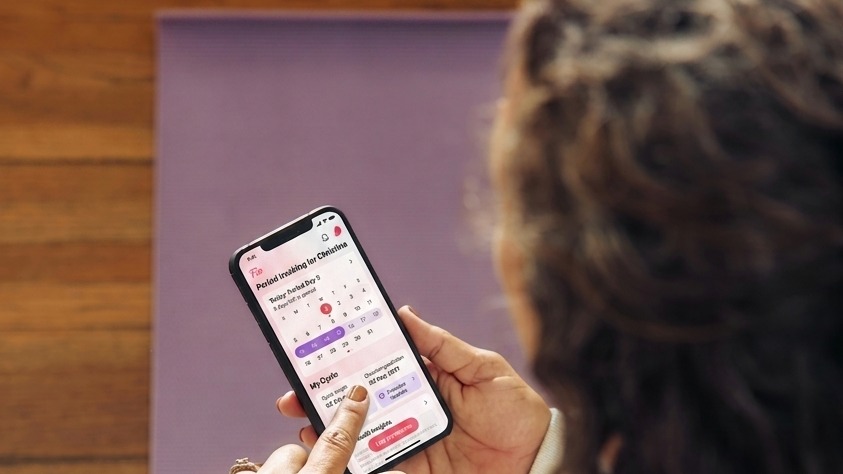
If you used the Flo period- and pregnancy-tracking app several years ago, you may be owed a cash payment, and claiming it takes only a few minutes with no receipts or documentation required. Flo Health, Google, and an analytics company called Flurry have agreed to pay a combined $59.5 million to settle claims that the app shared users’ sensitive health information without their consent. The window to file a claim closes October 15, 2026.
Who qualifies and what the deadline is
The settlement covers people in the United States who used the Flo app and entered menstruation or pregnancy information into it between November 1, 2016, and February 28, 2019. According to the official settlement website, which is run by the court-appointed administrator A.B. Data, class members must submit a claim by 11:59 p.m. Pacific Time on October 15, 2026. You can file online or mail a paper claim form postmarked by the same date. This is a no-proof claim, meaning you attest that you used the app and provide your contact and payment details, but you do not have to upload screenshots or prove your usage. People who do nothing get no payment and, unless they formally opt out, still give up their right to sue over the same conduct.
Free retirement updates: Want plain-English help keeping more of your money in retirement? The free Retirement Shield newsletter covers the benefits, deadlines, and money mistakes that cost retirees, a couple times a week. Subscribe free.
What the lawsuit said the app did
The case, formally the Period Tracker Data Privacy Litigation, alleged that when users entered intimate details about their cycles and pregnancies, that information was shared with third parties, including Google and Flurry, through software tools embedded in the app, without users’ knowledge or consent. The company denies wrongdoing and settled to avoid the cost and uncertainty of a trial, which is standard language in class settlements. The $59.5 million total is split among the defendants, with Google paying the largest share, followed by Flo Health and Flurry.
This is not the first time Flo’s data practices have drawn official scrutiny. In 2021 the Federal Trade Commission finalized an order against the company after alleging it shared users’ health data with outside firms such as Facebook and Google despite promising to keep it private. Details of that federal action remain public in the FTC’s case record. The current class-action settlement is a separate matter that puts money directly into the hands of affected users rather than imposing regulatory conditions.
How much you might receive
As with most privacy settlements, the exact per-person payment is not a fixed dollar figure. After the settlement administrator subtracts court-approved legal fees, administration costs, and any awards to the people who brought the suit, the remaining fund is divided among everyone who files a valid claim. The more people who claim, the smaller each individual share; the fewer who claim, the larger. That means the final amount depends on turnout, and the administrator will not know the precise figure until after the claims deadline passes. Payments go out only after the court grants final approval and any appeals are resolved.
For a household budget, a data-privacy payout is rarely life-changing money, but it is real money that requires almost no effort to claim, and filing costs nothing. It is worth treating the same way you would a small class-action check or an unclaimed refund: file it, note the deadline on your calendar, and choose how you want to be paid if the form offers a digital option versus a mailed check. Because these cases can take months to pay out even after the deadline, it helps to keep the confirmation number the administrator gives you so you can check your claim status later without having to start over.
File carefully and watch for scams
A large, publicized settlement always attracts imposters. The only place to file is the official administrator’s website, and legitimate settlement administrators never ask you to pay a fee to submit a claim or to receive your payment. Be wary of emails, texts, or social media posts that demand a Social Security number, bank login, or upfront payment to “release” your money. If you are unsure whether a message is genuine, go directly to the official settlement site rather than clicking a link someone sends you.
The practical steps are simple. Confirm you used the Flo app during the November 2016 to February 2019 window, gather the email address or phone number tied to your old account if you have it, and submit the claim before the October 15, 2026 cutoff. A final approval hearing is scheduled for October 29, 2026, after which valid claims move toward payment. For a few minutes of effort and no paperwork, it is a straightforward way to recover something for the misuse of information you were told would stay private.
This article was produced with AI assistance and reviewed by a human editor. Figures are linked to their primary sources; where a claim could not be verified from the public record, we say so.
More Financial Reading