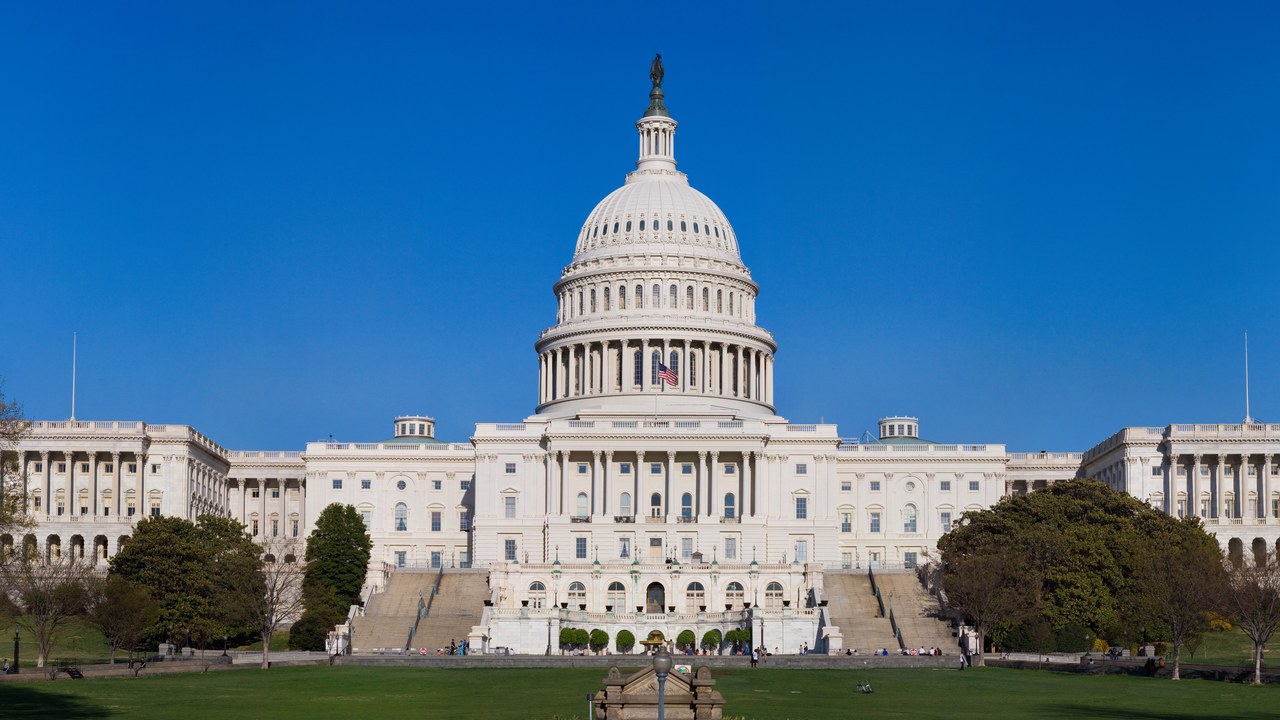
The Senate has taken no action on H.R. 1834 since February 10, 2026, the day the bill was read a second time and placed on the legislative calendar under General Orders as Calendar No. 319. The House had passed it a month earlier, 230 to 196. More than six months later, that February entry is still the most recent item in the official record, and the enhanced Affordable Care Act premium tax credits the bill would revive are still expired.
Two Date Swaps Inside Section 36B
The measure itself is short. The version printed for the Senate calendar carries a single operative section, titled Extension of enhanced premium tax credit, and it does its work by changing four dates in the Internal Revenue Code. Clause (iii) of section 36B(b)(3)(A), the schedule that determines how much premium assistance a marketplace household receives, would read through 2028 instead of through 2025, and before January 1, 2029 instead of before January 1, 2026.
Subparagraph (E) of section 36B(c)(1) gets the same treatment. That is the provision allowing a credit to taxpayers whose household income exceeds 400 percent of the federal poverty line, and under current law it also stops at the end of 2025. The amendments would apply to taxable years beginning after December 31, 2025, meaning they would reach back across the coverage year now underway. The full text sits in the bill as printed for the Senate calendar. None of it is in force, and nothing in it has been paid, extended, or restored.
Free retirement updates: Enrollment and claim windows come and go, and missing one can cost you real money. The free Retirement Shield newsletter keeps you ahead of the deadlines that matter. Sign up free.
Calendar No. 319 and the Record Since February 10
The procedural history is not long either. The House considered the bill under the terms of H. Res. 780 and passed it on January 8, 2026, on Roll No. 11, by 230 votes to 196. The Senate received it on January 12. The papers went back to the House by unanimous consent on January 15, and the Senate received the bill again on January 26. It was read the first time on February 9 and the second time on February 10, at which point it was placed on the Senate Legislative Calendar under General Orders as Calendar No. 319.
That is where the record ends. The Government Publishing Office’s official bill-status file for H.R. 1834, re-read on August 22, 2026, still lists the February 10 calendar entry as the bill’s latest action. No cloture motion, no committee referral, no amendment, and no floor vote appears after it.
Placed on the Calendar Is a Queue, Not a Vote
Placement on General Orders is often mistaken for a scheduled vote. It is not one. The calendar is a list of measures eligible for floor consideration, and a bill can sit on it for an entire Congress without ever being called up. Moving one to the floor requires a scheduling decision by the majority leader or the unanimous consent of the chamber, and neither has occurred here.
The distinction that matters to a household is between stalled and dead. H.R. 1834 has not been tabled, withdrawn, defeated on the floor, or vetoed, and the second session of the 119th Congress does not end until January 2027, so the bill remains technically alive. What it is not is law. The Office of the Federal Register’s list of public laws for the current session runs to thirty enactments, the most recent being Public Law 119-102, approved July 12, 2026. No health-subsidy extension appears anywhere on that list.
The 400 Percent Income Cliff Applies Again for 2026
The practical consequence sits in the tax code rather than in any agency announcement. The Internal Revenue Service’s questions and answers on the premium tax credit state the general rule plainly: household income must be at least 100 percent and no more than 400 percent of the federal poverty line for the credit to be allowed. For tax years 2021 through 2025 only, Congress suspended that upper limit and lifted the assistance amounts across the income scale.
Both temporary changes lapsed after December 31, 2025. A household a dollar above the 400 percent line in 2026 is allowed no premium tax credit at all and carries the full premium; a household below the line still qualifies, but on the less generous schedule that applied before 2021. Those are precisely the two provisions H.R. 1834 was written to reverse, and neither has been reversed.
November 1 Opens Enrollment Under the Law as It Stands
The date that actually binds a household is not on the Senate schedule. HealthCare.gov’s dates and deadlines page sets Open Enrollment to begin November 1, with December 15 the last day to enroll or change plans for coverage starting January 1, and January 15 the close of the window. Outside those dates, enrolling requires a qualifying life event such as a move, a marriage, or the loss of other coverage.
Whatever premium a shopper is quoted on November 1 will be computed under whichever version of section 36B is in force that day. As of August 22, 2026, that is the version with the 400 percent cliff intact and the enhanced assistance amounts expired. Standing between that outcome and a different one is a four-page bill at Calendar No. 319, last touched on February 10, 2026.
This article was produced with AI assistance and reviewed by a human editor. Figures are linked to their primary sources; where a claim could not be verified from the public record, we say so.
More Financial Reading