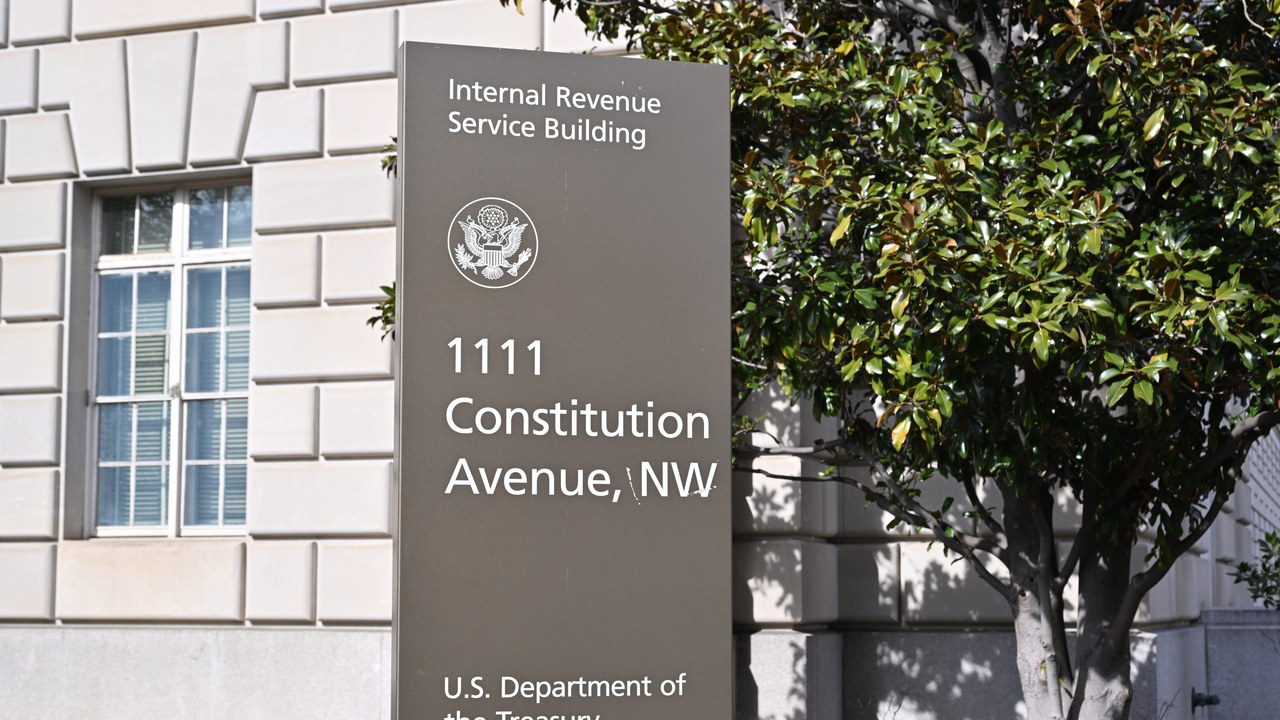
Every version of the pitch runs in the same order. First comes the promise that a tax debt can be settled for pennies on the dollar. Then comes the fee. What never happens anywhere in that sequence is anyone actually opening the taxpayer’s file. A Federal Trade Commission consumer alert published on August 13 is built around that ordering, because the ordering is the tell.
The promise that arrives before anyone looks at the file
The alert describes the pattern in plain terms, and the sequence is the substance of the warning rather than a detail inside it. Its language is worth reading exactly as written.
“If you owe back taxes, there are ways to get real help. But dishonest companies will promise to get rid of your debt for ‘pennies on the dollar,’ before even looking into your tax situation. They’ll often charge service fees without actually doing anything for you, and leave you further in the hole with local, state, or federal tax authorities,” the alert states.
A legitimate assessment of a tax debt cannot precede the review that produces it. Filing status, income, assets, the age of the liability, and whether returns were filed at all determine what options exist for a given taxpayer, and none of those are known to a company on a cold call. A firm that names an outcome before it has any of that information is not making a prediction. It is making a sale.
Free retirement updates: Want plain-English help keeping more of your money in retirement? The free Retirement Shield newsletter covers the benefits, deadlines, and money mistakes that cost retirees, a couple times a week. Subscribe free.
The nearly $10 million American Tax Service settlement
The alert is not written in the abstract. It ties the pattern to an enforcement action, and the conduct alleged there shows how the pitch reaches people in the first place.
“That’s exactly what led to the FTC’s nearly $10 million settlement with the owners of American Tax Service (ATS),” the alert states. “According to the FTC, ATS mailed out letters impersonating the government, demanding that people call by a specific date or risk property seizure. The FTC also says ATS ran ads on TV, radio, and online, including on podcasts, which led people to scammy sales calls filled with false promises of tax debt resolution.”
Two separate mechanisms are described there, and they work on different people. The mailed letters manufacture the emergency directly, using the appearance of a government demand and a deadline attached to the loss of property. The advertising works the other way around, catching people who already know they owe and are searching for help. Both routes end at the same phone call. The alert is filed under the commission’s government impersonator topic for that reason, since a letter that appears to come from a tax authority is the impersonation, not merely the packaging around it.
Only one office decides what a taxpayer qualifies for
The alert gives four pieces of guidance, and the first draws the line that the rest depend on. It warns readers to ignore promises from businesses claiming a taxpayer “qualifies” for a tax relief program or that a debt will be settled for a fraction of what is owed, because, in its words, “Only the IRS or your state’s comptroller or revenue department can decide what you qualify for.”
A private company has no authority to grant anything. It can prepare, submit, and argue, but the decision belongs to the tax authority, which means a guarantee of a particular outcome is a promise about someone else’s decision. The alert makes the same point directly, noting that no company can guarantee a particular result because every taxpayer’s situation is unique.
The advice on fees is the bluntest line in the alert. It tells readers not to do business with anyone who demands the entire fee upfront, and adds: “If they say that, walk away.” The reasoning is visible in the pattern the commission describes, in which the fee is collected first and the work is what fails to follow. The commission maintains separate guidance on tax relief companies covering how these arrangements are marketed.
The free help the alert names by name
The final piece of the alert is the part with the most practical value, and it costs nothing. For federal tax problems a taxpayer cannot resolve alone, the alert points to the Taxpayer Advocate Service, the IRS office that exists for exactly that situation. For state tax problems, it directs people to their state comptroller, and state tax agencies can be located through the Federation of Tax Administrators’ member directory.
The contrast in cost is the whole argument. One route charges a fee upfront for access to a decision it cannot make. The other is a public office that already holds the file and answers to the same authority that will rule on it. A household weighing an offer that arrived by mail or by phone has a free way to find out what its actual options are before paying anyone to guess.
Firms operating the way the alert describes can be reported at the FTC’s fraud reporting site. The alert itself, published August 13, 2026 by the commission’s Bureau of Consumer Protection staff, sets out the sequence to watch for in a single line: the promise to erase the debt for pennies on the dollar arrives before anyone has looked at the tax situation at all.
This article was produced with AI assistance and reviewed by a human editor. Figures are linked to their primary sources; where a claim could not be verified from the public record, we say so.
More Financial Reading