When a disaster hits, the last thing a family is thinking about is a tax deadline, and the IRS knows it. For residents and businesses in two West Virginia counties hammered by summer storms, the government has pushed federal filing and payment deadlines all the way into next winter, and it has opened a door to reach retirement savings without the usual penalty. Both moves can ease real financial pressure while people rebuild.
Who qualifies and what the new deadline is
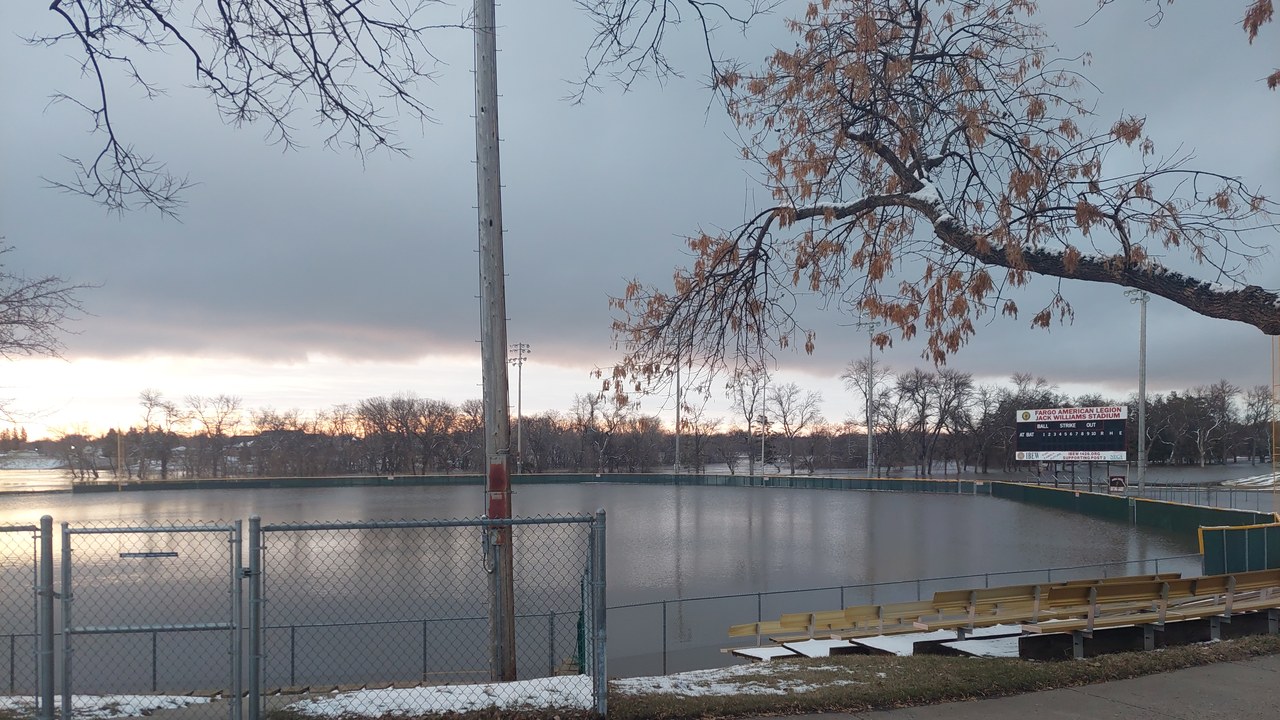
The relief follows severe storms, flooding, landslides, and mudslides that began July 21, 2026. According to the IRS, individuals and businesses that live or operate in Lewis and Upshur counties now have until February 1, 2027, to file various federal returns and make payments that would otherwise have come due sooner. That postponement covers a range of obligations, including certain individual and business returns and quarterly estimated and payroll deadlines that fall within the relief window. The extra months are automatic for taxpayers whose IRS address of record is in the disaster area, so there is nothing to apply for to get the later deadline.
Free retirement updates: Miss an enrollment or claim deadline and it may be gone. Our free Retirement Shield newsletter keeps readers ahead of the ones that matter. Get the free newsletter.
The retirement break that can free up cash
The part that can matter most to a household short on cash is the retirement provision. People affected by a federally declared disaster may be able to take a qualified disaster distribution from a 401(k) or IRA without the 10% early-withdrawal penalty that normally applies before age 59 and a half. The distribution is still taxable, but the tax can be spread over three years rather than landing all in one, and the rules generally allow repaying the money back into a retirement account within a set period to undo the tax hit. For a family facing sudden rebuilding costs, that turns a locked-up retirement account into an emergency resource without the usual penalty sting.
Why tapping retirement savings is a last resort, not a first one
Just because you can reach that money penalty-free does not mean it is free of cost. Pulling funds out of a 401(k) or IRA removes them from years of potential growth, and even with the tax spread over three years, a large withdrawal can still raise your taxable income and your bill. The penalty-free disaster distribution is a genuine relief valve, but it works best as a bridge after insurance, disaster grants, and low-cost loans have been considered, not ahead of them. If you do take a distribution, keep careful records, because you will report it over multiple years and may want to repay part of it later.
Other help to line up alongside the tax relief
Tax deadlines are only one piece of disaster recovery. Households in the affected counties should check whether a federal disaster declaration makes them eligible for assistance from FEMA, and should document damage thoroughly for insurance claims. Taxpayers who suffered uninsured or unreimbursed disaster losses may also be able to claim those losses on a tax return, and the IRS relief announcement explains the options, including the choice of which year to claim a casualty loss. Free tax-preparation help through IRS-sponsored programs can be valuable for sorting through these decisions, especially for older residents on fixed incomes.
How to make sure the relief actually applies to you
Because the postponement is tied to your address of record, most eligible people get it automatically, but there are edge cases. If you live in the disaster area but recently moved, or if you receive a late-filing or late-payment notice for a deadline that falls within the relief window, contact the IRS using the number on the notice to have the penalty removed. Taxpayers whose records are located in the affected area, or who are helping with relief efforts, may also qualify even if they live elsewhere. The IRS disaster-relief announcement is the authoritative source for exactly which deadlines are postponed and which taxpayers are covered, and checking it directly is the surest way to confirm your situation before you rely on the later date.
Why the postponement is not a reason to wait
A later deadline sounds like permission to procrastinate, but for many households the smarter move is to file sooner if you are owed a refund. The postponement pushes back when returns and payments are due, which relieves pressure on anyone who cannot pay right now, yet it does not force you to wait. If you expect a refund, filing promptly puts that money in your hands during exactly the period you may need it for repairs and living costs. The relief is a cushion for those who owe, not a delay everyone has to take.
The postponement also covers estimated and payroll deadlines that fall within the window, which matters for the self-employed and small businesses trying to steady their cash flow after a disaster. Just keep in mind that the relief is for federal deadlines; check separately whether West Virginia has matched it for state taxes, since state and federal relief do not always align. The IRS disaster-relief announcement is the authoritative list of exactly which deadlines move and who qualifies, and confirming your situation there, rather than assuming, is the safe way to use the extra time.
This article was produced with AI assistance and reviewed by a human editor. Figures are linked to their primary sources; where a claim could not be verified from the public record, we say so.
More Financial Reading