When an employer agrees to pay back wages and then does not, the government can go to court and make it. That is what happened to a group of Washington restaurants, and the result is a federal order to pay $750,000 to 42 workers who were shorted on overtime and minimum wage. The case is a useful map of how wage-theft enforcement actually works, and of the rights any hourly worker can lean on.
What the court ordered and who owes it
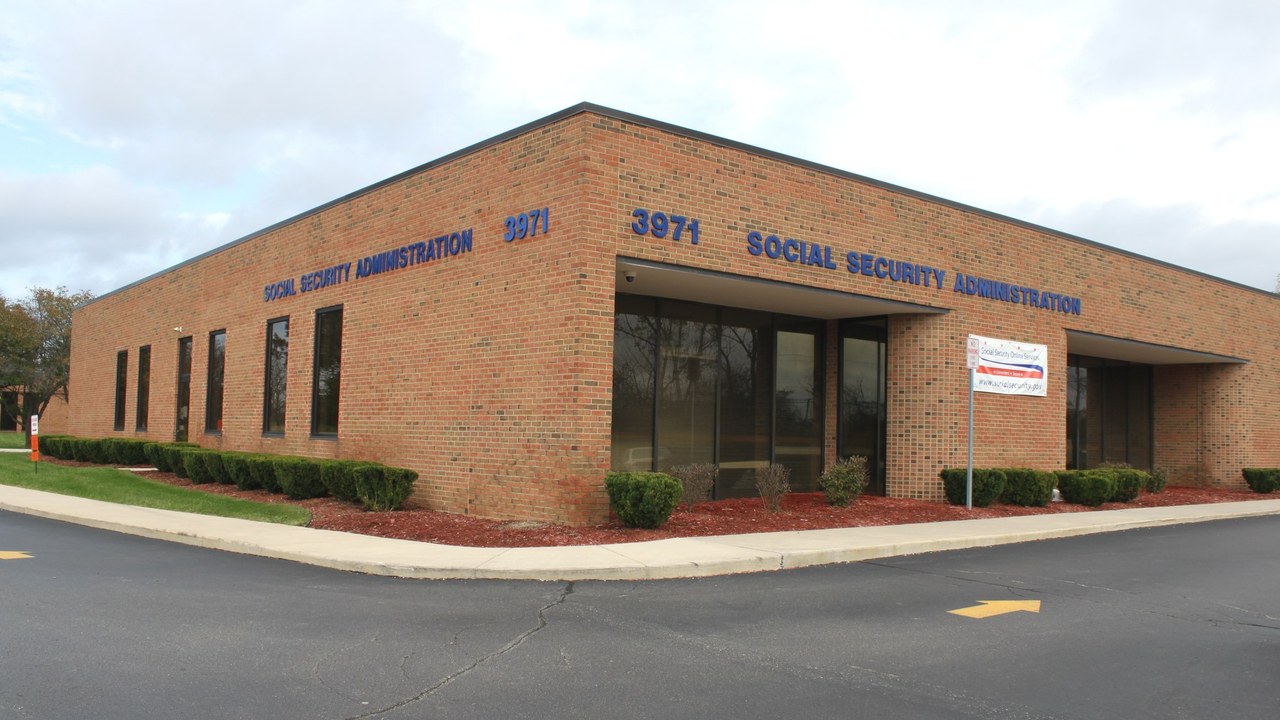
The U.S. Department of Labor secured a consent judgment in the U.S. District Court for the Eastern District of Washington requiring four restaurants to pay $750,000 in back wages and damages to 42 employees, according to the department’s Wage and Hour Division. The businesses, Blanco Inc. and Mi Rancho Chico Inc., operate as Rancho Chico in Spokane, Colville, and Omak, and are owned by Nolberto and Guillermina Rodriguez.
Free retirement updates: Want plain-English help keeping more of your money in retirement? The free Retirement Shield newsletter covers scams, benefits, and money many retirees may be owed, a couple times a week. Subscribe free.
The violations investigators found
The problems were not a single missed paycheck. Investigators found the restaurants failed to pay overtime at time and one-half for hours worked beyond 40 in a week, and paid some non-exempt employees a flat salary that, spread across all the hours they actually worked, dropped their real pay below the federal minimum wage of $7.25 an hour. The department also found unlawful retaliation after an employee filed a wage complaint, and violations of child-labor rules that bar minors from operating hazardous equipment. Those are four distinct failures, and each is independently illegal under the Fair Labor Standards Act.
Why it took a court order
The detail worth remembering is how the case escalated. After the investigation, the owners agreed to pay what they owed, then failed to hand over the money, which pushed the department’s Office of the Solicitor and the local U.S. Attorney’s Office to seek a court order compelling payment. A promise to pay is not a payment, and the enforcement system is built to close that gap rather than let a settlement quietly lapse.
What “back wages and damages” actually includes
The $750,000 figure is not just withheld pay handed back. In cases like this, the Labor Department typically recovers the unpaid wages a worker was owed plus an equal amount in what are called liquidated damages, which is why totals often come to roughly double the raw back-pay figure. That structure is deliberate: it compensates workers for having gone without money that was rightfully theirs, and it removes the incentive for an employer to treat wage violations as a cost-free gamble. Splitting the recovery across 42 workers means individual amounts vary with the hours each person was shorted.
Signs your own pay might be short
The violations in this case point to red flags any hourly worker can check. If you regularly work more than 40 hours in a week but never see a higher overtime rate, if you are paid a flat weekly salary that, divided by your actual hours, falls below the minimum wage, or if a manager discourages you from recording all your time, those are the exact patterns investigators found here. Federal law also requires employers to keep accurate time and pay records, so a workplace that cannot produce them is itself a warning sign. Workers can raise concerns with the Wage and Hour Division confidentially, and the law forbids an employer from retaliating for doing so, a protection this case shows has teeth.
Recovered back wages do not always reach workers automatically, which is worth knowing. When the Labor Department collects money an employer failed to pay, it works to distribute it to the affected employees, but people who have since moved or changed jobs can be hard to find. The department maintains a database where workers can search whether wages are being held for them, and unclaimed back pay is eventually turned over to the Treasury. A worker who was employed at a business under investigation should keep their contact information current and check whether money is waiting to be claimed.
A few persistent myths help these violations survive. Being paid a salary does not by itself waive overtime; eligibility depends on job duties and a pay threshold, not the label. Private employers generally cannot substitute future time off, sometimes called comp time, for the overtime pay a non-exempt worker earned. And an agreement to work “off the clock” does not make it legal. Recognizing that these shortcuts are not permitted is often the first step a worker takes toward realizing they have been shorted, and toward the confidential complaint process that recovered the wages in this case.
What hourly workers can take from it
Two rights stand out for anyone paid by the hour. First, a salary does not automatically cancel overtime; whether you are owed time-and-a-half depends on your duties and pay level, not on being called “salaried.” Second, complaining about pay is legally protected, and firing or punishing someone for raising it is itself a violation, as this case shows. Workers who suspect they have been underpaid can contact the Wage and Hour Division confidentially, and back-wage recoveries are pursued regardless of immigration status. The $750,000 here was not a favor; it was the law being enforced after an employer tried to walk away from it.
This article was produced with AI assistance and reviewed by a human editor. Figures are linked to their primary sources; where a claim could not be verified from the public record, we say so.
More Financial Reading