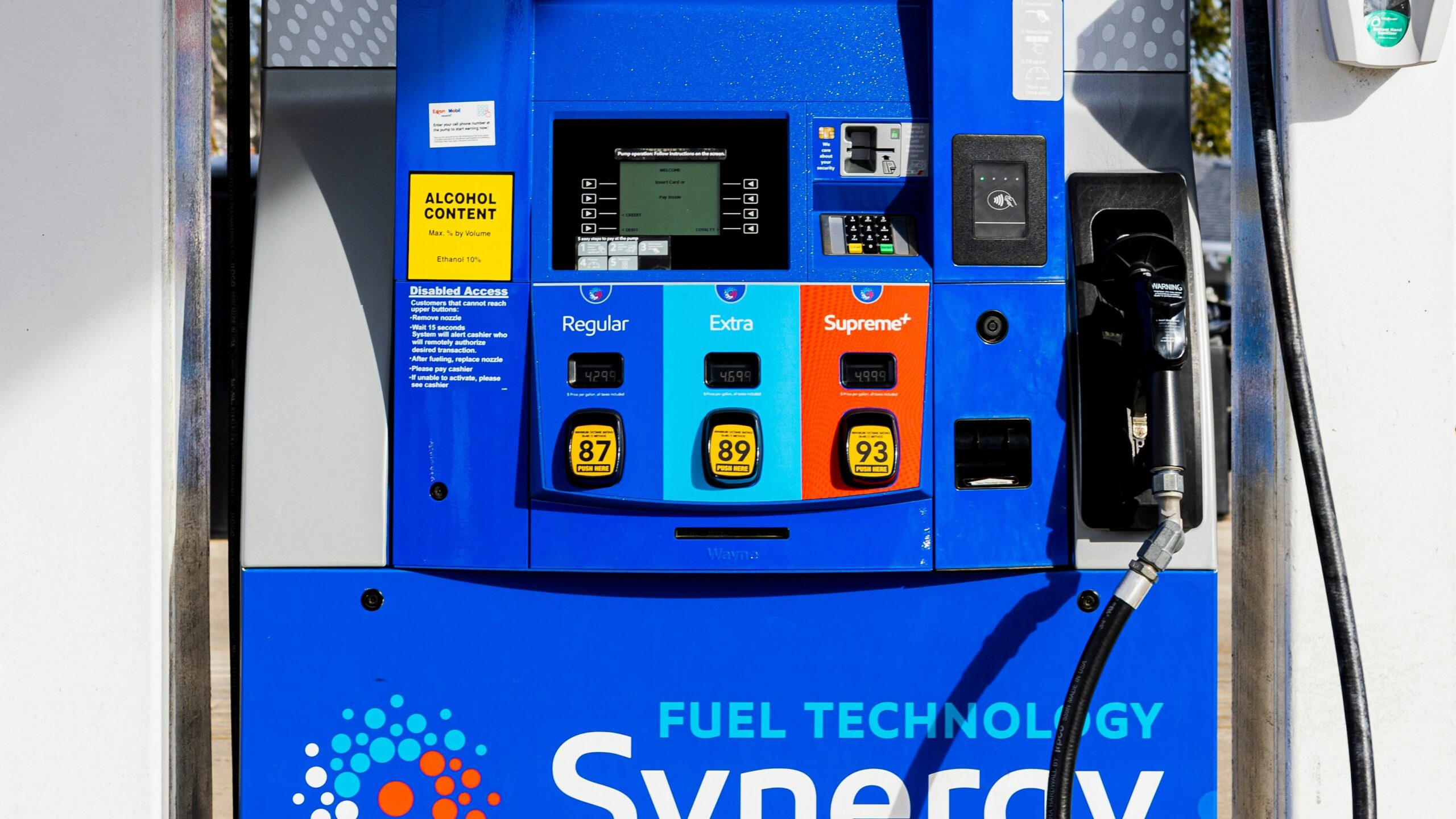
Roughly five million American households heat with oil, most of them in the Northeast, and most of them buy it in bulk from a delivery company rather than paying a monthly meter. That purchasing pattern is why a price move that happened over the past year has not yet hit most of those households — and why the decision that matters is being made right now, in August, months before anyone turns the heat on.
The number, and how lopsided it is
In the Consumer Price Index for June 2026, the fuel oil index rose 42.9 percent over the previous twelve months. Over the same window, utility (piped) gas service rose 3.0 percent and electricity rose 4.0 percent, against an all-items increase of 3.5 percent.
Those three figures describe the same period, the same economy, and three completely different household experiences. A gas-heated home saw its heating costs rise roughly in line with everything else. An oil-heated home saw its primary winter expense increase by more than two-fifths.
The path there was violent rather than steady. Monthly changes in the fuel oil index ran −5.7 percent in January, +11.1 percent in February, +30.7 percent in March, +5.8 percent in April, +3.8 percent in May, and −9.2 percent in June. A single month did most of the damage, and the most recent month gave back a chunk of it.
Free retirement updates: Household bills rarely rise in isolation. The free Retirement Shield newsletter connects the changes that matter to working families and retirees. Read it free.
Why oil households absorb price moves differently
The structural difference is that natural gas and electricity are delivered continuously and billed monthly at regulated rates, with rate changes requiring a public commission process. Heating oil is a commodity bought at market price on the day of delivery, from a private dealer, with no regulator setting the number.
That produces two effects. Oil prices move faster and further in both directions, and an oil household’s annual cost depends heavily on when it buys rather than only on how much it burns. A household that filled a 275-gallon tank in February paid a very different price than one that filled in June.
It also means the 42.9 percent figure is not a bill anyone has received. It is a market condition that will convert into bills as tanks are filled between now and December.
The August decisions that are actually available
Oil dealers typically open their pre-buy and budget programs in late summer, which makes this the month the choice exists. Three options are common, and they are not equivalent.
Pre-buy locks a fixed price for a fixed number of gallons, paid up front. It protects against a spike and forfeits the benefit of a decline. Given a market that just fell 9.2 percent in a month, locking now means betting the recent drop does not continue.
Budget billing spreads the estimated annual cost across roughly ten or twelve equal monthly payments, usually with a reconciliation at season’s end. It does not reduce the total, and it does not cap the price. What it does is convert an unpredictable $900 delivery into a predictable monthly number, which for a household on a fixed income is often the more valuable protection.
Capped or ceiling programs set a maximum price while allowing the household to benefit if prices fall, usually for a fee. The fee is the cost of that asymmetry, and whether it is worth paying depends on its size relative to the gallons covered.
The comparison worth doing before signing anything: what the fixed or capped price is per gallon, what fee applies, what happens to unused prepaid gallons, and whether the dealer is financially sound enough to honor a prepayment months from now. Prepaying a dealer that fails is a total loss, and it has happened in prior price spikes.
What cannot be said about this winter
There is no credible federal dollar forecast for 2026–27 heating costs available today. The Energy Information Administration’s Winter Fuels Outlook, the document that produces those seasonal household estimates, is not published until around October. Any figure currently circulating that claims to be a federal projection of what heating will cost this winter is not one.
Wholesale benchmark prices are also not household prices — a natural gas futures quote is a commodity price at a trading hub, several markups and a regulated delivery charge away from a residential bill.
What can be said is what the record shows: oil-heat households enter this season having watched their fuel rise 42.9 percent over twelve months, while gas and electric households saw increases in the low single digits. For households eligible on income, applications for the federal Low Income Home Energy Assistance Program open in the fall through state agencies, and oil-heat households are frequently the ones with the largest single-delivery need it can offset.
The July CPI publishes August 12 and will show whether June’s 9.2 percent decline was the start of a trend or a pause.
This article was produced with AI assistance and reviewed by a human editor. Figures are linked to their primary sources; where a claim could not be verified from the public record, we say so.
More Financial Reading