Lettuce costs about a third more than it did last June. Tomatoes cost roughly a fifth more. Fresh vegetables as a group ran close to 10 percent above where they sat a year earlier, and for a household that buys more or less the same list every week, the produce section is where the grocery bill is quietly getting away from them.
Those are measurements. The other figure attached to vegetables this year, 6.8 percent, is something else entirely: a forecast of where the full-year average will finish. Both come off the same government page, and treating them as the same kind of number produces a badly distorted picture of what is happening at the register.
What the June price data shows in the produce section
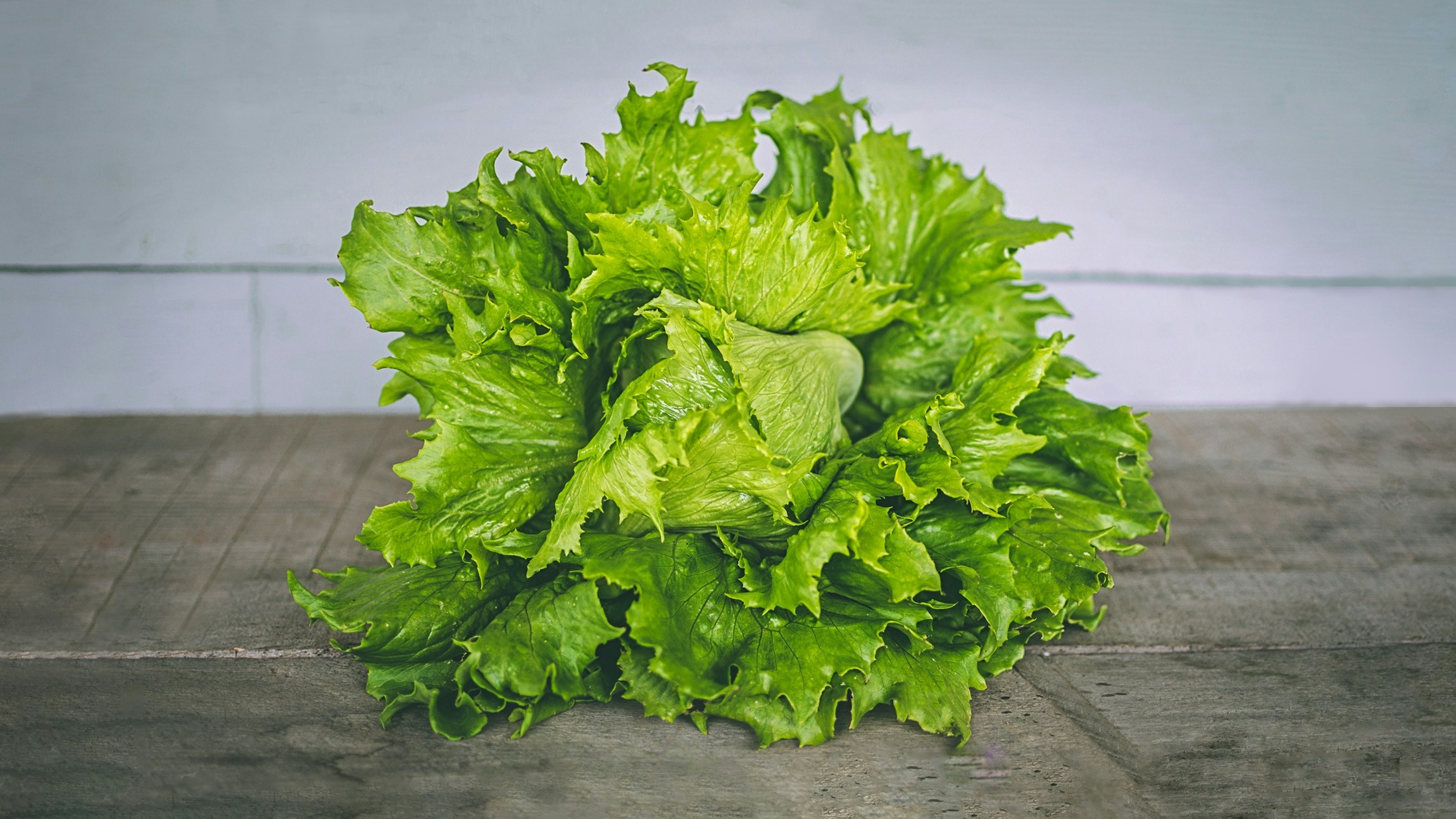
The Agriculture Department’s Economic Research Service tracks retail food prices category by category, and its latest edition, updated July 24, 2026, incorporates the June Consumer Price Index. Retail prices in June 2026 were 32.1 percent higher for fresh lettuce and 19.5 percent higher for tomatoes than in June 2025. Fresh potatoes, by contrast, were only 1.4 percent higher.
Averaged together, the fresh vegetable category ran 9.9 percent above June 2025. That spread between lettuce and potatoes is the reason two households can shop the same aisle and come away with completely different impressions of what vegetables cost now.
There is a wrinkle that cuts the other way. Fresh vegetable prices actually fell 1.2 percent from May to June, one of only five of the 15 food-at-home categories ERS tracks to decline that month. The year-over-year damage is real; the most recent month was a small step back down.
Free retirement updates: Household bills rarely rise in isolation. The free Retirement Shield newsletter connects the changes that matter to working families and retirees. Read it free.
Why the annual forecast reads lower than the year-over-year number
A reader who sees 9.9 percent in one sentence and 6.8 percent in the next may reasonably assume one of them is wrong. Neither is. They measure different things, and ERS states the difference in its own text: the outlook tracks and forecasts the annual percentage change by averaging observed and forecast prices for all months in the current year against all months in the previous year, and it explicitly does not forecast the 12-month year-over-year change as of the month of the forecast.
So 6.8 percent is an estimate of what all of 2026 will average against all of 2025, quieter early months included. The 9.9 percent is a single snapshot of June against June. The outlook is republished monthly and now runs up to 18 months ahead, so both numbers will move again in August.
The range USDA prints around 6.8 percent
The forecast never travels alone in the original. ERS publishes fresh vegetables at 6.8 percent for 2026 with a prediction interval of 4.3 to 9.5 percent, and that interval is a 95 percent one: based on past performance, the annual figure is expected to land inside it 19 times out of 20. The midpoint is the most likely single answer, not a promise.
ERS builds these with time-series models and notes that the intervals shrink as more months of real data arrive. The same page carries a detail worth knowing about the baseline itself: CPI collection was suspended during the fall 2025 federal government shutdown, leaving October 2025 without data, and ERS estimated the missing month with a regression model. The comparison year is not entirely made of observations either.
Beef is running hot for a reason USDA names
Produce is not the only category moving. Beef and veal prices rose 1.4 percent from May to June and were 11.8 percent higher than in June 2025, and ERS forecasts a 10.7 percent increase for 2026 with an interval of 7.2 to 14.6 percent. The explanation it offers is a supply story: the U.S. cattle herd has fallen to its lowest level in 75 years, wholesale beef prices are at all-time highs for this point in the year, and consumer demand has held up despite the price.
Pork and poultry are behaving very differently. Pork was 2.4 percent above last June with a 1.6 percent annual forecast, and poultry was actually 0.1 percent below last June, with a forecast of 1.0 percent for the year.
Eggs are the counterweight holding the average down
The single largest move in the whole table is downward. Retail egg prices fell 0.8 percent from May to June and were 27.9 percent below June 2025, against an ERS forecast of a 30.7 percent decline for 2026 with an interval running from a 36.5 percent drop to a 23.4 percent drop.
That collapse matters beyond the egg carton, because a category falling by nearly a third pulls the overall grocery average down and partly masks what beef and vegetables are doing. A household that does not buy many eggs gets none of that relief.
Why the 2.7 percent grocery forecast will not match most receipts
The headline grocery figure looks mild. Food-at-home prices were 2.7 percent higher in June than a year earlier, and ERS forecasts a 2.7 percent increase for 2026 with an interval of 1.6 to 3.9 percent. All food is forecast at 3.1 percent and restaurant prices at 3.5 percent.
An average across 15 categories is not a household’s inflation rate, and the composition of a cart decides everything. Ten of those 15 categories rose from May to June. A shopper buying salad, tomatoes and beef is running far above 2.7 percent; one buying eggs, chicken and potatoes is running below it.
ERS opened its 2027 forecasts this month, and the intervals show how much confidence a longer horizon really carries: food-at-home is forecast to rise 2.9 percent next year, inside a range that runs from a 5.6 percent decline to a 12.3 percent increase.
This article was produced with AI assistance and reviewed by a human editor. Figures are linked to their primary sources; where a claim could not be verified from the public record, we say so.
More Financial Reading