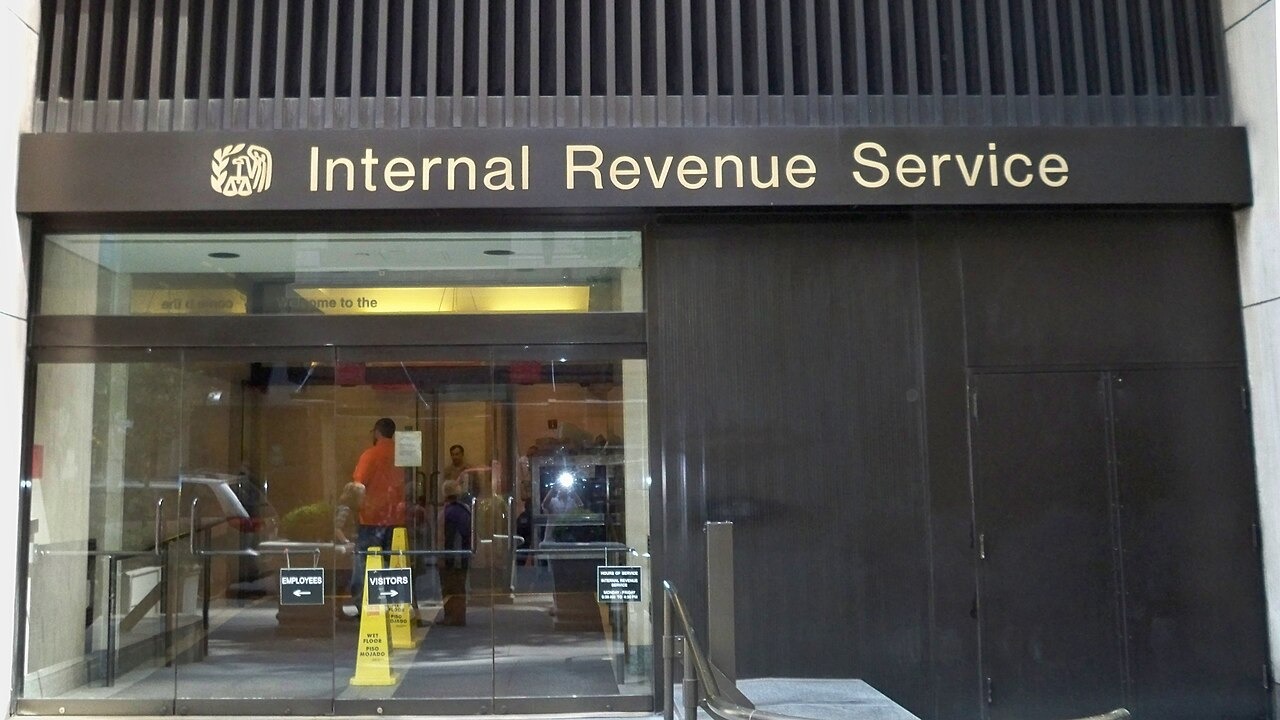
On July 8 the IRS announced that it is retiring its most widely used penalty waiver and replacing it with a process that grants the same relief before a penalty is ever charged. The old program required a taxpayer to know the relief existed and to ask for it. The replacement, called the Automatic Exemption from Penalty, is applied by the agency during return processing. The change is administrative rather than legislative, and it quietly ends a step that has cost compliant filers money for years.
What the Automatic Exemption from Penalty actually stops
The distinction is timing. Under the old arrangement, a penalty was typically assessed first, a notice went out, and the taxpayer or a preparer called to get it removed. The new process suppresses the charge at the front end, so no notice of that penalty is generated at all.
The agency’s announcement states that when taxpayers qualify, penalties are not assessed during processing for failure to file, failure to pay and failure to deposit, and that taxpayers do not need to take action to receive the relief. If the exemption applies, the IRS says it will issue a notice confirming that relief was granted. IRS Chief Executive Officer Frank J. Bisignano framed the logic as consistency, saying taxpayers who historically pay on time “should not have to make a formal request for relief that is routinely granted.”
Free retirement updates: Main Street money decisions get easier when the numbers are explained without jargon. The free Retirement Shield newsletter delivers that help in a short email. Sign up free.
The three-year test that decides who qualifies
Eligibility rests on a clean recent record rather than on hardship or explanation. A taxpayer qualifies by having filed the return on time and paid any tax due in the three prior years, or across 12 consecutive quarters for those who file quarterly returns.
The IRS spells the test out in more detail on its administrative penalty relief page, which requires that the same return type was timely filed for the prior three years and that either no penalty was assessed in that window, or a penalty was assessed and later abated for reasonable cause or IRS error. The estimated tax penalty is carved out of that lookback, so an earlier estimated tax charge does not by itself disqualify a filer. So is a penalty that was assessed and then removed for one of those two reasons, which means an old dispute a taxpayer already won does not follow them into the new system.
The waiver being replaced was never obscure inside the agency. The IRS describes First Time Abate as the most common administrative penalty waiver it provides, available to taxpayers with three years of timely compliance history. The compliance bar is not moving. What is disappearing is the requirement that the taxpayer recognize the situation and initiate the conversation, which is the part that favored people with a paid preparer over people filing alone.
The returns the exemption does not reach
Not every filing is in scope. The announcement excludes information returns, along with returns filed only in response to specific transactions or infrequent events. The IRS names Form 706, the estate tax return, and Form 709, the gift tax return, as examples of filings that generally are not eligible.
The relief applies to eligible original returns beginning with tax year 2025 and 2026 quarterly returns, and to future tax periods from there. That framing matters for anyone hoping the change reaches backward: it is written for returns being processed now and later, not for old accounts.
A transition summer in which some filers still have to ask
The switch is not instantaneous, and the gap is the part most likely to affect real taxpayers this year. The IRS says it will begin phasing out First Time Abate and moving to the automatic process during the summer of 2026, and it acknowledges that during the transition some qualifying taxpayers may still receive penalty notices for eligible tax year 2025 and 2026 quarterly returns.
The instruction in that situation is unchanged from the old world: taxpayers who believe they qualify may contact the IRS to request First Time Abate. The automatic process fully replaces it for eligible returns with original due dates on or after January 1, 2027, which is the point at which the request step disappears for good.
Tax and interest are untouched
It is worth being precise about what this does not do, because the shorthand circulating around the announcement has drifted toward money coming back. It does not. The exemption prevents certain penalties from being assessed going forward. It is not a refund of penalties already paid, and the IRS release includes no dollar figure or estimated savings for individual taxpayers.
The agency’s own limiting sentence is direct: while the exemption prevents the assessment of certain penalties, taxpayers must still pay any tax and interest due, as well as any penalties not eligible for relief. A household that owes a balance still owes it, and interest continues to run on that balance.
What is left for filers who do not qualify
Someone with a late filing or a missed payment in the prior three years falls outside the automatic route, but not outside relief altogether. The IRS says taxpayers may still qualify to have penalties removed or reduced if they acted with reasonable cause and in good faith, judged case by case on all the facts and circumstances. The standard it describes is whether the taxpayer exercised ordinary care and prudence and was nevertheless unable to file or pay on time.
That page, last reviewed on June 21, 2026, also gives the written route when a request cannot be resolved by phone: Form 843, the claim for refund and request for abatement. It remains the only door for filers whose recent record is imperfect, and unlike the new automatic process, it still has to be opened by the taxpayer.
This article was produced with AI assistance and reviewed by a human editor. Figures are linked to their primary sources; where a claim could not be verified from the public record, we say so.
More Financial Reading