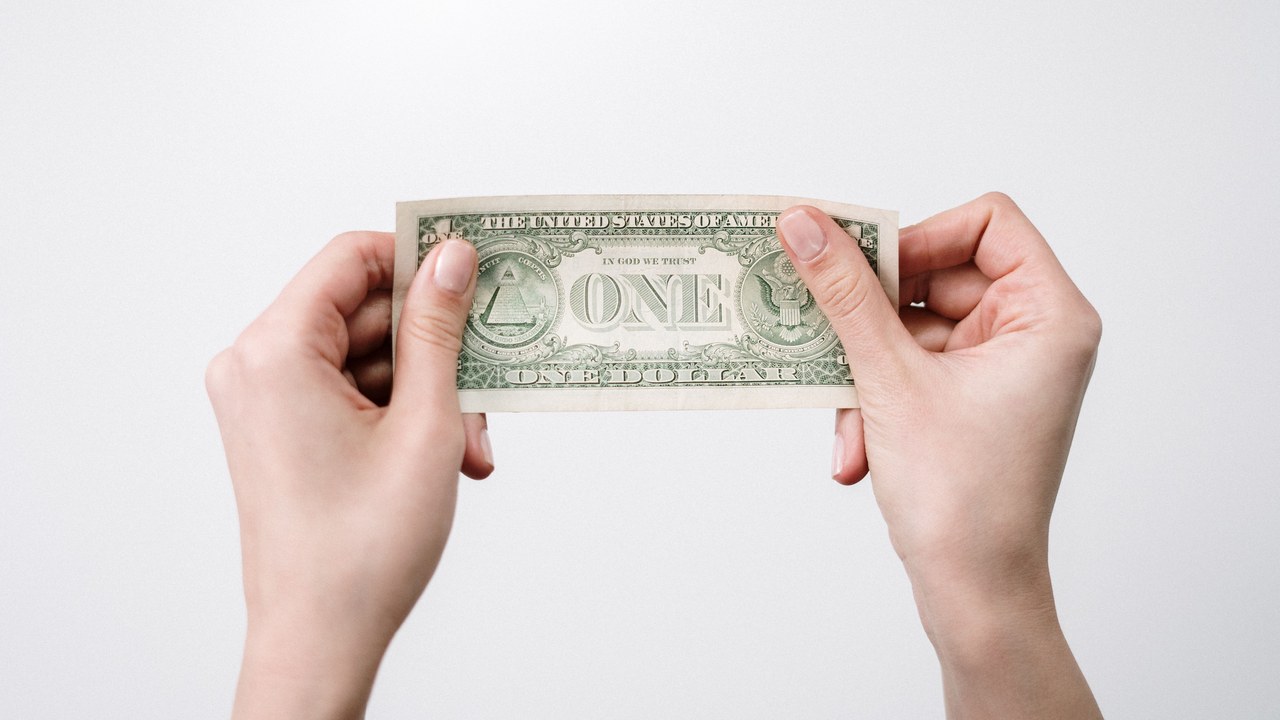
Series EE savings bonds bought from Nov. 1, 2026, through April 30, 2027, carry a Treasury promise that they will double in value in 20 years. Treasury sets a fixed rate for the six-month window, and the guarantee holds even if that rate would not get the bond to double on its own. Buyers can put up to $10,000 a year into EE bonds.
What Treasury is guaranteeing
The guarantee is simple. A bond held for 20 years is worth twice what was paid for it. A $5,000 purchase is worth at least $10,000 at year 20, and a $10,000 purchase at least $20,000.
Treasury says on its site that a bond bought now is guaranteed to double in value in 20 years, as financial journalist David Enna of Tipswatch.com quotes it. Enna notes that the doubling holds even if Treasury has to add money at year 20 to make it true.
The issue window is a six-month stretch that started Nov. 1 and ends April 30, 2027, according to TreasuryDirect’s EE bond page. Bonds issued after April 30 fall under whatever terms Treasury sets for the next window.
A saver deciding whether this fits has a plain question to answer: whether the money can sit untouched for 20 years. Anyone who might need the cash sooner faces the early-cashing rules below, and and those rules decide whether the guarantee is worth anything to that saver.
Stay ahead of government payment news: Miss an enrollment or claim deadline and the money can be gone. Join the Retirement Money Brief and we’ll send you our 2026 Government Check Reality Tracker as a welcome gift.
Get the Brief + the check tracker →
We may earn a commission from links on this page.
The rate behind the doubling
Tipswatch reports that the fixed rate on EE bonds sold in this window is 2.90%, up from 2.40% for bonds sold from May through October. At 2.90%, a bond would not reach double value in 20 years by interest alone, so the guarantee is what gets it there. Enna puts the result at an effective return of about 3.53% a year over the 20 years.
The arithmetic shows how much work the guarantee does. Interest on an EE bond is earned monthly and compounded twice a year, according to the government comparison page. At 2.90% compounded that way, a $1,000 bond would reach roughly $1,780 after 20 years. The guarantee lifts it to $2,000, and that gap is why the effective return is higher than the stated rate.
He does not oversell it. “A fixed rate of 2.90% is an improvement but isn’t highly attractive,” Enna wrote, adding that the 3.53% “doesn’t compare well with the 20-year Treasury bond yielding 5.35%.” Buyers who need to compare should line the 3.53% up against what an insured CD or a Treasury bill pays today.
The bonds also carry a rate that can change late in the term. A government comparison page says the EE rate is fixed “for at least 20 years” and may change in the last 10 of the bond’s 30 years.
What holding for 20 years requires
The same government comparison of EE and I bonds sets out the terms. A bond can be cashed after 12 months. Cash it before five years and the last three months of interest are forfeited, so a bond cashed at 18 months pays 15 months of interest. The bond earns interest for up to 30 years, and the annual limit is $10,000 per Social Security number per calendar year, with purchases from $25 to $10,000 to the penny.
EE bonds are sold only in electronic form and are held in TreasuryDirect accounts. Paper EE bonds issued before 2012 still exist, but new ones are not sold on paper.
Interest is subject to federal income tax and exempt from state and local income tax. A bondholder may choose to report the interest each year or when the bond is cashed or stops earning. Interest may be tax-free if it pays for qualified higher education expenses.
Timing inside the window is flexible. Every bond issued from Nov. 1 through April 30 carries the same 2.90% fixed rate and the same doubling promise, so a buyer gains no rate advantage by buying early or late within those six months. The next change comes on May 1, when Treasury posts rates for the following window, and the government comparison page shows the previous window’s EE rate was 2.40%.
How the EE bond differs from the I bond
Tipswatch also reports Treasury’s new I bond rates for the same window: a 1.40% fixed rate, a 4.08% inflation component and a 5.51% composite rate, up from 4.26%. The I bond rate changes every six months with inflation, while the EE bond rate is locked at purchase.
That is the trade. The I bond pays a higher rate today and adjusts every six months, and its rate never falls below zero. The EE bond pays less each year but promises double the money at year 20. Each bond type has its own $10,000 annual limit, so a saver can buy $10,000 of each in the same year.
The decision comes down to a household’s time horizon and whether it values a locked result over a rate that moves.
Is a 20-year EE bond the right place for savings money?
The mistake with a savings bond is tying up cash that may be needed within five years, which costs three months of interest, or leaving the rest in an account that pays almost nothing. The April 30, 2027 date matters only for buyers who have decided the 20-year hold fits.
Make Your Savings Pay You is an 11-page guide to the safe places that pay more than a near-zero bank account, with every dollar insured, even above $250,000 at one bank, and high-yield savings for the cushion needed this year. It also covers CDs, Treasury bills from $100 and I bonds, plus a ladder to copy so money comes due on a schedule.
Get the safe-savings guide and ladder worksheet to weigh EE bonds against CDs and Treasury bills →
This article was produced with AI assistance and edited for accuracy against the sources linked above.