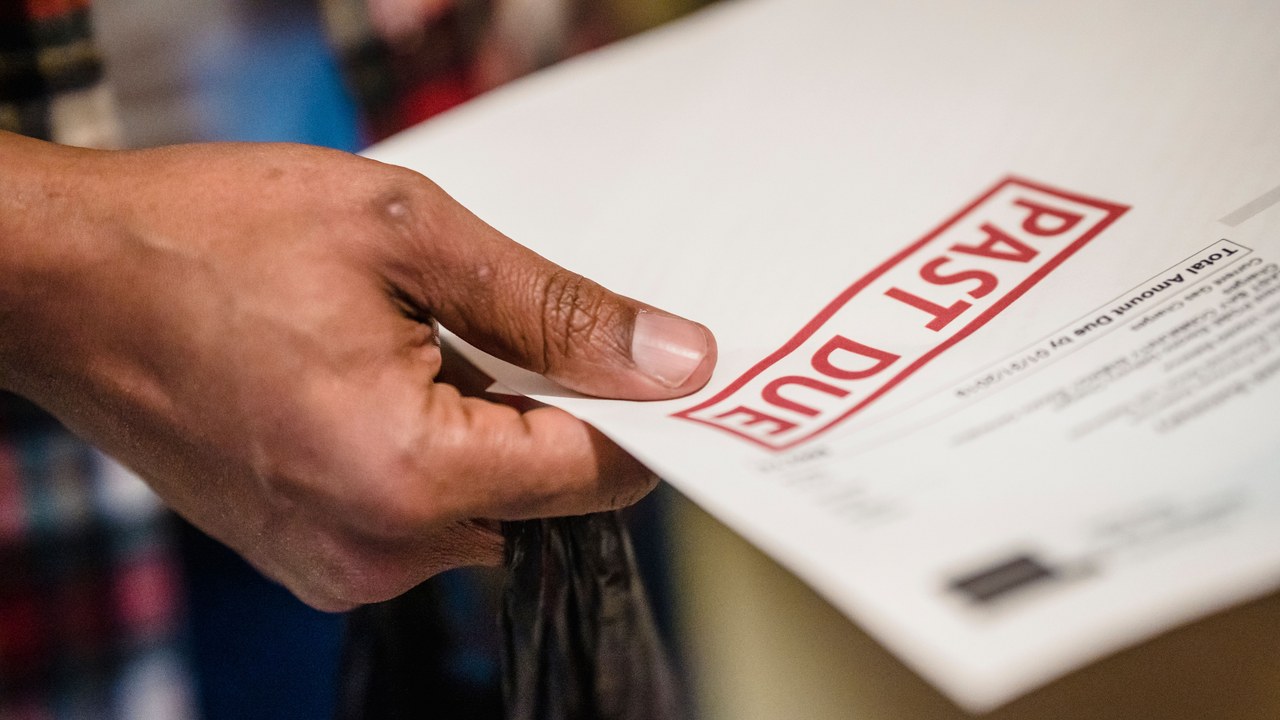
The Los Angeles Department of Water and Power cannot shut off residential water or electric service for unpaid bills for the rest of 2026. The utility’s Board of Water and Power Commissioners adopted the pause on Tuesday, Oct. 27, after Mayor Karen Bass asked for it a week earlier. Shutoffs for safety reasons are not affected.
The suspension covers residential disconnections for nonpayment “through the remainder of 2026,” according to LADWP’s announcement. Board President Allan Marks said the action “provides immediate relief for residential customers unable to pay their recent summer bills.” LAist reported that an LADWP spokesperson said the change took effect immediately.
For a household that is behind, the pause removes the threat of a cutoff until Dec. 31 but does nothing to the balance. The bill still has to be paid, and the date the pause ends is the one that matters. Customers who are behind should use these weeks to set up a payment plan or enroll in a program, rather than wait for the pause to end.
Stay ahead of property tax and utility bill news: Miss an enrollment or claim deadline and the money can be gone. Join the Retirement Money Brief and we’ll send you our Property Tax & Utility Relief Finder as a welcome gift.
Get the Brief + the relief finder →
We may earn a commission from links on this page.
Why the bills got so large
Mayor Bass asked for the pause on Oct. 20 after a run of record-breaking heat waves, and LADWP customers used far more power as a result. The utility says median electricity use rose 15% to 20% in recent bimonthly billing periods compared with summer 2025, and electric rates are up 7% since last year, mainly because of reliability investments. Sewer and solid-resource fee increases from LA Sanitation and Environment also pushed bills higher.
LADWP bills every two months, and the August and September statements are among the largest of the year. LAist reported that of the utility’s 1.6 million customers, 2% had bills over $3,000, 3% were between $2,000 and $3,000, 12% were between $1,000 and $2,000, 18% were between $500 and $1,000, and 64% were under $500.
Level Pay and the discounts that cut late fees
The board told LADWP to strongly encourage customers to enroll in Level Pay, especially new customers and anyone visiting a service center. LADWP’s announcement says Level Pay has no low-income requirement, so it is open to any residential customer. The EZ SAVE, Low-Income and Lifeline Discount programs also avoid late fees and interest.
LAist reported that customers who need help can enter a payment arrangement with no interest or late fees. LADWP says enrollment questions go to its website or to 1-800-DIAL-DWP, which is 1-800-342-5397. The customer service page has an email option for those who do not want to wait on the phone.
The board did not stop at the pause. LADWP will review the EZ-SAVE and Lifeline discounts and recommend options to better assist income-eligible customers, which could change who gets help in 2027. Until the utility reports back, the programs work as they do now, so an older customer on a fixed income who has never applied for a discount has no reason to wait for the review.
Rebates that can shrink the next bill
The same announcement lists ways to use less power, which matters for a household watching a bimonthly statement. LADWP’s Power Savers smart thermostat program pays financial incentives to customers who cut use when the grid is under strain. Other offerings include a $5-per-square-foot rebate for replacing turf, efficient heat pumps, attic insulation, free thermostat controllers and leak detection units.
LADWP also says it pays California’s highest residential solar payments. None of these changes what a customer already owes, and the page gives no income limits or dollar caps beyond the turf rebate, so anyone interested should ask LADWP what each one requires. The utility also said new customers will be enrolled in paperless billing and existing customers can opt in, a change that matters for people who rely on mailed statements.
What the board has not decided yet
The announcement says nothing about what happens on Jan. 1. The resolution suspends disconnections only through the end of 2026, and LADWP has not announced an extension or a new schedule for collections. Customers who stay behind should not assume the pause will be renewed. Marks tied the board’s next steps to fairness, saying any revision to rates must be “fair, transparent, and accountable.”
The board also ordered work on bigger questions. LADWP will review the electric rate ordinance, including rate levels, tiers and seasonality, and look at alternative structures that could require changes to the City Charter tied to Proposition 26. Changing the structure would need City Council action. Bass called for an independent audit of LADWP rates on Oct. 27, and Marks cautioned that ratepayers will ultimately pay for any audit.
Interim General Manager David W. Hanson said the resolution “puts customer communication and access at the center” of the utility’s affordability strategy. The utility also promised customers rate and tier alerts each year, with residential notices sent by June 1, along with regular usage comparisons to their own past use and to similar neighbors.
Behind on an LADWP bill with the pause ending Dec. 31?
A balance that sits untouched through the pause comes back on Jan. 1 with no cutoff protection and a winter bill on top of it. Customers who wait for a notice will have the least time to choose a plan.
The Senior Property Tax & Home-Cost Relief Kit is a 64-page guide for older homeowners. It covers heating, cooling and home-repair help, and Part 5 deals with utilities and home costs. It also includes an application log and renewal calendar, a place to write down the Level Pay enrollment date and each program’s renewal.
Get the Level Pay and utility-help organizer for LADWP bills →
This article was produced with AI assistance and edited for accuracy against the sources linked above.