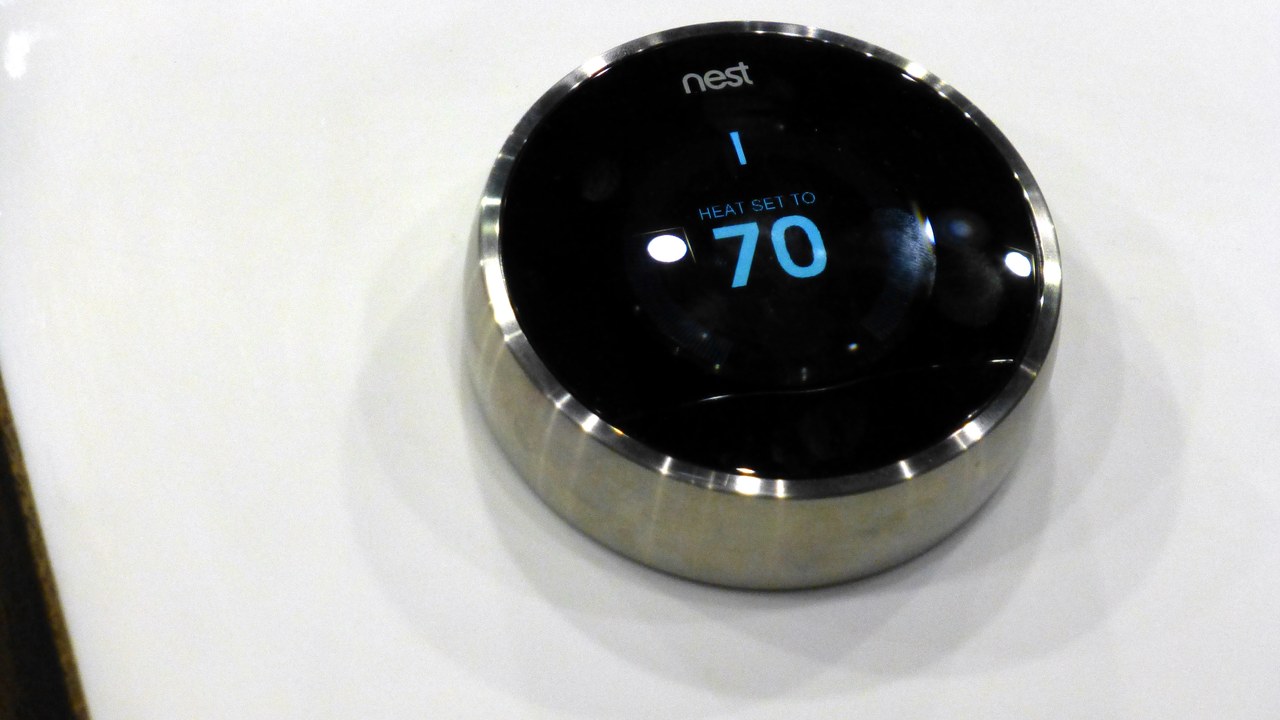
Massachusetts gas and electric companies cannot shut off heat starting Nov. 15 for customers who are in financial hardship and can show it, and homes where every resident is 65 or older cannot lose service without permission from the state Department of Public Utilities. The winter protection runs through March 15.
State law bars hardship shutoffs of gas or electric heating service between Nov. 15 and March 15, according to the Massachusetts court system’s winter heating guide, which cites M.G.L. c. 164, section 124F. The state’s shutoff protection page says a utility cannot shut off service when a customer is in financial hardship and the date falls in that window and the service is needed to heat the home.
The date alone does not protect anyone. A customer who is behind on a gas or electric bill still has to be in financial hardship, and the utility will ask for proof. Households that expect trouble this winter should tell the gas or electric company before the Nov. 15 start, say plainly that the household is in hardship, and send the paperwork the company asks for. A household where everyone is 65 or older should say so at the same time.
Retirement deadlines, in your inbox: Miss an enrollment or claim deadline and the money can be gone. Join the Retirement Money Brief and we’ll send you our Property Tax & Utility Relief Finder as a welcome gift.
Get the Brief + the relief finder →
We may earn a commission from links on this page.
What a utility will ask for
Massachusetts lists proof the utility can request: a birth certificate, a doctor’s note, or income-based proof that the customer cannot pay. Which document applies depends on the reason for the protection. A birth certificate shows an infant’s age or a resident’s age, a doctor’s note shows a serious illness, and income records show an inability to pay.
The state names several situations that qualify when paired with financial hardship. Someone in the home is seriously ill. There is an infant under 12 months. Every adult in the home is 65 or older and a minor child lives there. Every resident of the home is 65 or older. The winter window itself, Nov. 15 to March 15 when the service heats the home, is on the same list.
Homes where everyone is 65 or older
For households where all residents are 65 or older, the state’s page says electric or gas service cannot be shut off without permission from the Department of Public Utilities, known as the DPU. The wording matters. The protection is not an absolute ban. It means the utility must go to the state for approval first, and a customer who gets a shutoff notice can contact the DPU right away.
A mixed household is treated differently. If one resident is 64 and the others are 70, the all-65-and-over rule does not apply, though the other conditions still can, including the winter window and a seriously ill resident. Utilities may also offer discount rates, budget plans or payment plans, and customers can ask about those before a balance grows.
Oil, propane and water follow other rules
The winter shutoff rules cover regulated gas and electric companies. For customers who heat with oil, propane or wood, the state’s page says there are “no specific legal protections.” Those customers are told to call their provider first. If that fails, they can file a complaint with CARD, the attorney general’s Consumer Advocacy and Response Division, at (617) 727-8400.
Water is different again. People on city or town water must contact the municipality to restore service. Customers of a company-provided water system are protected if everyone in the home is 65 or older, someone is seriously ill, there is an infant under 12 months, all adults are 65 or older with a minor child, or the customer is a tenant whose landlord pays the water bill. The state’s page does not attach the Nov. 15 window to water.
Where to call if service is cut anyway
A customer whose gas or electric service is not restored can call the DPU at (617) 737-2836 or toll-free at 1-877-886-5066, or use the department’s online complaint form. Fuel assistance is separate from the shutoff rules. The state says local fuel assistance offices can help with heating costs and that a person does not have to be unemployed to get help.
Regulators leaned on electric companies earlier this year, too. In a June 29 letter, DPU Chair Jeremy C. McDiarmid asked National Grid, Eversource, Unitil and 42 municipal light plants to extend shutoff protections to summer heat starting June 30. The request ran during unhealthy heat alerts and stayed in effect until the statutory winter moratorium begins on Nov. 15, so the handoff from summer to winter protection happens next week.
Shutoff protection keeps the heat on, but it does not erase a balance. A customer who qualifies still owes the bill, and the debt can come due after March 15. That is why hardship customers are better off asking the utility about a payment plan now, while the winter protection is in place, rather than in the spring. The same call is the moment to ask about fuel assistance, since a smaller balance in March is easier to manage than a large one that built up over four winter months.
Behind on the heating bill before Nov. 15?
Winter shutoff protection stops the shutoff, but the balance stays on the account and can come due after March 15. A household that sends hardship proof late, or never asks about heating help, can reach spring owing more than it can pay.
The Senior Property Tax & Home-Cost Relief Kit is a 64-page guide with heating, cooling and home-repair help for older homeowners, including a part on utilities and home costs. It also has an application log and renewal calendar, so the dates for each program stay in one place.
Get the heating-help section and renewal calendar in the Home-Cost Relief Kit →
This article was produced with AI assistance and edited for accuracy against the sources linked above.