Tampa Electric home customers who use 1,000 kilowatt-hours a month will pay $154.18 starting in January 2027, after the Florida Public Service Commission voted unanimously on Nov. 3 to approve a second bill cut this year. The utility says the drop comes from cheaper natural gas, the fuel behind most of its power.
The cut is small. Tampa Electric’s announcement puts it at 1.4% for a residential bill at that usage level. On a bill that size, 1.4% works out to roughly $2.20 a month, or about $26 over a year. Business customers will see larger percentage cuts, from 1.5% to 6% depending on how much power they use.
For a household, the question is whether the January bill will actually land near that number. The $154.18 figure belongs to a home using 1,000 kilowatt-hours. A household that burns more power in winter, or runs electric heat and a pool pump, will pay a different total, and a household that uses less will pay less. The kilowatt-hour line on the last few statements shows which group a home falls into.
Retirement deadlines, in your inbox: Miss an enrollment or claim deadline and the money can be gone. Join the Retirement Money Brief and we’ll send you our Property Tax & Utility Relief Finder as a welcome gift.
Get the Brief + the relief finder →
We may earn a commission from links on this page.
Why the fuel charge is falling
Fuel is about 20% of a typical residential bill, Tampa Electric says. Natural gas prices have come in lower than the company expected, and the utility says it does not earn a profit on fuel costs, so the savings pass straight to customers. Archie Collins, the company’s president and chief executive, said in the announcement that lower natural gas prices “mean lower fuel costs” and that the savings are being passed directly to customers.
The final number is a few cents off the first estimate. When Tampa Electric asked regulators for the change in September, the company filed a request that would have put the same 1,000-kilowatt-hour bill at $154.13, a 1.5% cut. The commission approved $154.18 and 1.4%. Collins said then that residential rates are “already well below the national average.”
The fuel line works differently from the base rate. Base rates are set in rate cases that regulators review at length, while the fuel charge follows what the utility expects to pay for gas. When prices fall, the charge can fall with them, and when prices rise, it can climb just as fast, as it did with the 10% jump in June 2025. That is how one utility can post a cut in January 2027 after raising other parts of the bill through 2026.
The August cut came first
This is the second reduction in a few months. In August, Tampa Electric ended its storm recovery charge earlier than scheduled, and residential customers saw a drop of roughly 11% to 12%. The charge had been collecting the cost of restoring power after Hurricanes Debby, Helene and Milton in 2024, spread over 18 months.
Collins called the early removal of the charge “meaningful savings.” The January change stacks on top of that cut, so a customer comparing a January bill with a spring or early-summer bill will see a bigger gap than the 1.4% alone.
A year of increases before the cuts
The relief follows a hard stretch for Tampa Electric customers. When the commission finalized a base-rate step in November 2025, WUSF reported that a home using 1,000 kilowatt-hours would pay about $5.50 more each month starting in January 2026. Brooke Ward, a senior Florida organizer for Food and Water Watch, called it the fourth increase in 12 months and said the cycle will not end unless state lawmakers act.
Ward counted a January base-rate increase of $9 to $13 a month, storm recovery charges of $20 to $25 a month beginning in March, and a 10% rise in fuel charges in June. The same report said Tampa Electric’s residential customers paid the highest bills in Florida in June 2025. A 1.4% cut does not erase that history, and the base-rate part of the bill is not what changed on Nov. 3.
Help if the bill is still hard to pay
Tampa Electric lists several programs for customers who find the bill hard to manage even after the cut. PayAssist connects customers with financial help, and the company takes calls on 888-223-0800. The Customer Assistance team can also set up flexible payment arrangements and point people to community and government resources.
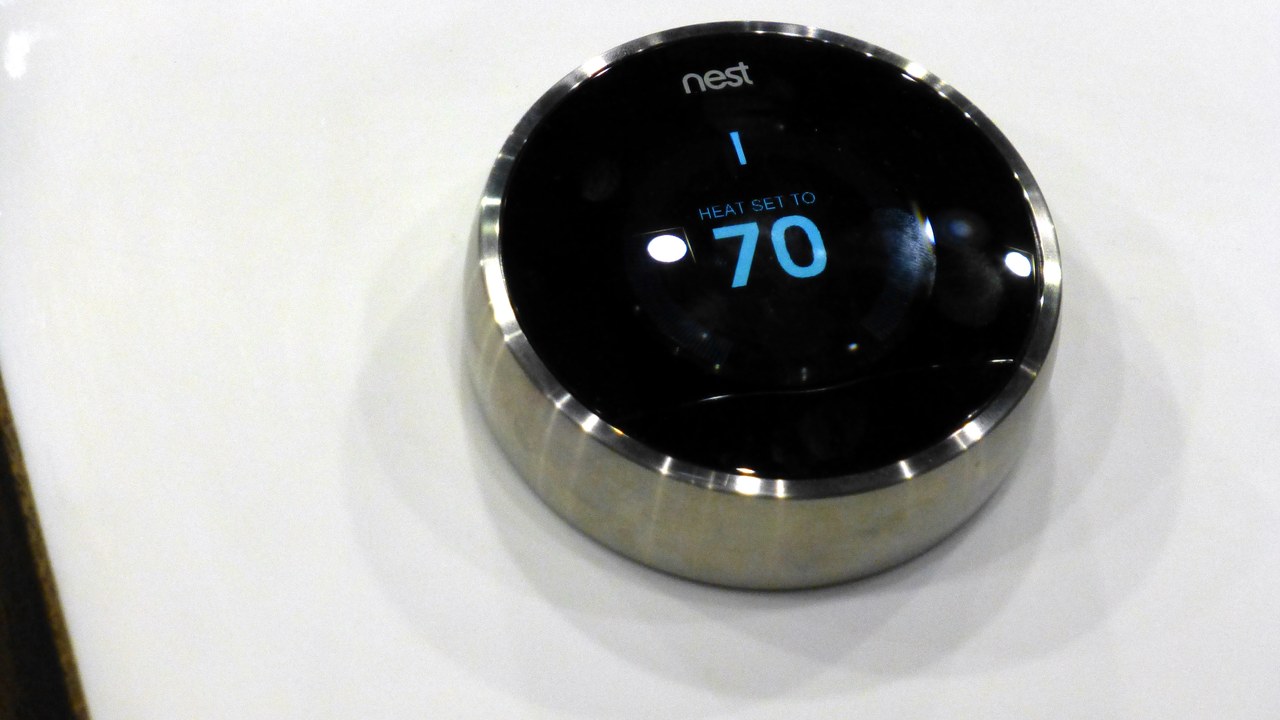
Budget Billing spreads the year’s cost into steadier monthly payments, which helps in months when air conditioning or heat pushes use up. Prime Time Plus gives eligible participants automatic monthly bill credits and a smart thermostat at no charge. Each program has its own sign-up steps.
What comes after January is not settled. Ward said in 2025 that she expected Tampa Electric to file another base-rate request in the new year, covering 2027 and 2028. The Nov. 3 vote dealt with the fuel savings and the January bill, not that future request.
Customers who want the January change in writing should look for the new rate on the first statement of 2027. Anyone who sees a total far above the $154.18 benchmark for the same usage should call the utility and ask for the bill to be itemized by line, with fuel, base rate and any remaining charges shown separately.
Still too much for the January bill?
A 1.4% cut saves about $2.20 a month on a 1,000-kilowatt-hour bill, which does not fix a budget that was already stretched by a year of increases. Customers who wait for the bill to feel lighter can miss the programs that change the monthly payment.
101 Phone Scripts to Lower Your Bills gives 101 calls, word for word, for every company you pay, including a section on electric, gas and water: payment plans, budget billing, help programs. The scripts are short enough to read off the page, and the call log records who answered and what was agreed.
Get the phone scripts for a Tampa Electric payment-plan call →
This article was produced with AI assistance and edited for accuracy against the sources linked above.