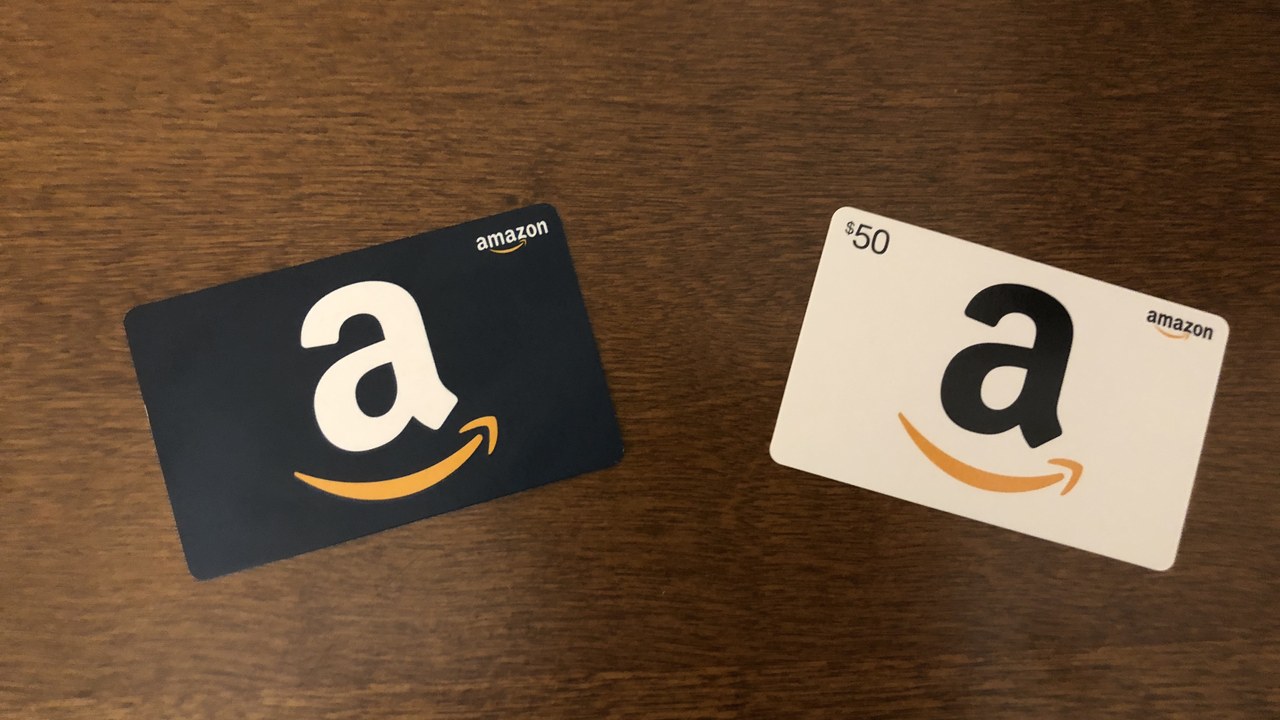
Federal rules say the money on a store gift card or a general-use prepaid card cannot expire for at least five years. The five years run from the day the card was issued or the day funds were last loaded onto it, whichever is later. The rule covers cards bought for personal, family or household use, from the card good at one store to the network-branded prepaid card that works almost anywhere.
The protection sits in Regulation E, the Consumer Financial Protection Bureau’s rule on electronic fund transfers. A seller does not have to print five years on the plastic. It has to make sure the money lasts that long, even when the card itself carries an earlier date. Many people who find an old card in a drawer assume it is dead, and the rule says the money may not be.
The money outlasts the plastic
Section 1005.20(e) lets a card carry an expiration date only if the funds on it last at least until the later of two dates. One is five years after the card was issued or last loaded. The other is the card’s own printed expiration date, according to the CFPB’s posted text of the rule. A date that has already passed on the front does not automatically erase the balance.
The federal code uses the same test. The Electronic Code of Federal Regulations entry describes a card sold with “at least five years remaining” before its expiration date. Sellers also have to keep policies that give buyers a reasonable chance to buy a card with that much time left.
So for anyone holding an older card, the first step is the back of it. Look for the expiration date, the toll-free number and any note that says the card expires but the funds do not. Then call the number and ask for the balance and a replacement card. Under the rule, the issuer cannot charge a fee for the replacement or for paying out what is left, unless the card was lost or stolen.
Retirement deadlines, in your inbox: Miss an enrollment or claim deadline and the money can be gone. Join the Retirement Money Brief and we’ll send you our Scam & Identity-Theft Action Card as a welcome gift.
Get the Brief + the scam action card →
We may earn a commission from links on this page.
What a card has to tell the buyer
The rule also sets disclosure requirements. The card must state when the funds expire, or that they do not expire, and it must show a toll-free number. A website for getting a replacement is optional. Where the plastic expires before the money does, the card has to carry a notice saying so.
These disclosures must be clear and conspicuous, and any written or electronic version must be something the buyer can keep. In practice, that means the explanation should be on the card, the packaging or the receipt, not hidden in terms the buyer never sees.
Replacement cards can carry a shorter printed date than a brand-new card. The rule says the five-year sale requirement applies to the original sale, not to the replacement. Even so, the underlying funds still cannot run out before the later of the two dates in the rule.
Cards the five-year rule leaves out
Not every card is covered. The CFPB’s list of exclusions names cards usable only for telephone services, reloadable cards that are not marketed or labeled as gift cards, cards not marketed to the general public, and cards issued in paper form only. Cards redeemable only for admission to events or venues at one location are also left out.
Promotional cards are the exclusion most shoppers run into. A loyalty, award or promotional card is outside the five-year rule, but it must say on the front that it was issued for loyalty, award or promotional purposes. A card handed out as a reward can expire quickly. A card someone paid full price for as a gift generally cannot.
Fees can still shrink the balance
The five-year rule guards against expiration, not against every deduction. The CFPB’s guide, Unwrapping Gift Cards, published in December 2020, says federal rules bar inactivity or service charges for 12 months. After that, the guide says, fees can reduce the card’s value.
The guide also says reloadable prepaid cards follow different rules and may carry monthly service fees. It tells shoppers that a person’s state may offer additional protections. For anyone who thinks a seller broke the rules, the guide points to the CFPB’s online complaint form and its Ask CFPB question pages.
The guide’s advice for keeping a card safe is plain. Treat it like cash, because lost or stolen funds may not come back. Write down the card number, the security code and the customer service number, and register the card if the issuer allows it.
A card sitting in a drawer is money that a household already earned and spent once. With prices up on groceries, gas and travel, a few forgotten balances add up, and a replacement card is a phone call away. The rule gives the holder five years from the last load to use it, and a printed date does not shorten that.
The open question for most people is not whether the rule exists. It is whether a particular card was issued or reloaded recently enough, and whether it falls under one of the exclusions. The toll-free number on the back is where that answer comes from.
Holding an old card and still paying full price elsewhere?
A gift card balance can stretch a budget, but only if the card is used. Many seniors also miss the discounts that are never offered unless someone asks, on transit, utilities and insurance.
Senior Discounts Worth Asking For is a 12-page guide that lists them with who qualifies and the exact words to use, including Amtrak and city transit: 10% off most rail fares, half fare on many buses. It also includes a savings log and a large-print edition.
Get the senior discounts guide for the spending beyond the gift card rack →
This article was produced with AI assistance and edited for accuracy against the sources linked above.