Boulder County homeowners born on or before Jan. 1, 1961 can have part of their home’s value taken off the tax rolls under Colorado’s senior property tax exemption. The exemption removes half of the first slice of the home’s value, not half of the whole house. The 2026 application window has already shut, and the county says the next one opens after the first of the year.
Anyone in that age group who has not yet applied is left with one practical question: what has to be true about the home, and when can the paperwork go in?
Retirement deadlines, in your inbox: Miss an enrollment or claim deadline and the money can be gone. Join the Retirement Money Brief and we’ll send you our Property Tax & Utility Relief Finder as a welcome gift.
Get the Brief + the relief finder →
We may earn a commission from links on this page.
Three tests, all required
The Boulder County Assessor’s senior exemption page lists three conditions for tax year 2026, payable in 2027, and says all of them must be met. The applicant must have been born on or before Jan. 1, 1961, which means turning 65 no later than the start of 2026.
The applicant must also have lived in the home as a primary residence continuously starting before Jan. 1, 2016. The same page adds a third condition: the applicant must have owned that home continuously starting before Jan. 1, 2016.
Age alone does not do it. A homeowner who is old enough but bought the house in 2018, or who owns a second property, does not meet the ownership and residence tests for that home.
Half of the first $200,000
The assessor’s page puts the benefit this way: 50 percent of the first $200,000 in actual value of the primary residence is exempted, for a maximum exemption of $100,000 in actual value. The word “actual” matters. Colorado taxes a home on its actual value as set by the assessor, and the exemption comes off that figure before tax rates are applied.
The arithmetic is simple. A home with an actual value of $200,000 or more gets $100,000 taken off. A home valued at $150,000 would get half of that, or $75,000. Nothing beyond the first $200,000 earns a larger break, so owners of pricier homes still pay tax on everything above the exempted amount.
The county page says the state pays the property taxes on the exempted value. That means the local taxing districts are not left short, and the homeowner’s bill simply reflects the lower taxable amount. The page does not put a dollar figure on the savings, which depends on the local tax rates for each address.
The 2026 window is closed, and January is next
The county page is blunt: the deadline to apply for tax year 2026 has passed. It does not give a calendar date for that cutoff. The Assessor’s Office, the page says, will begin accepting 2027 applications after Jan. 1, 2027.
That timing matches the statewide rules. The Colorado Division of Property Taxation describes the application period as running from Jan. 1 to July 15, with July 15 as the timely deadline. Applications returned by July 15 keep full appeal rights if they are denied, while those returned by the late deadline of Aug. 15 do not.
Because the state’s own wording covers a window of several months, a homeowner who files early in the year has plenty of room. The Boulder County page has not posted a separate 2027 closing date, so the state’s July 15 timely date is the one on the books.
Where the form comes from
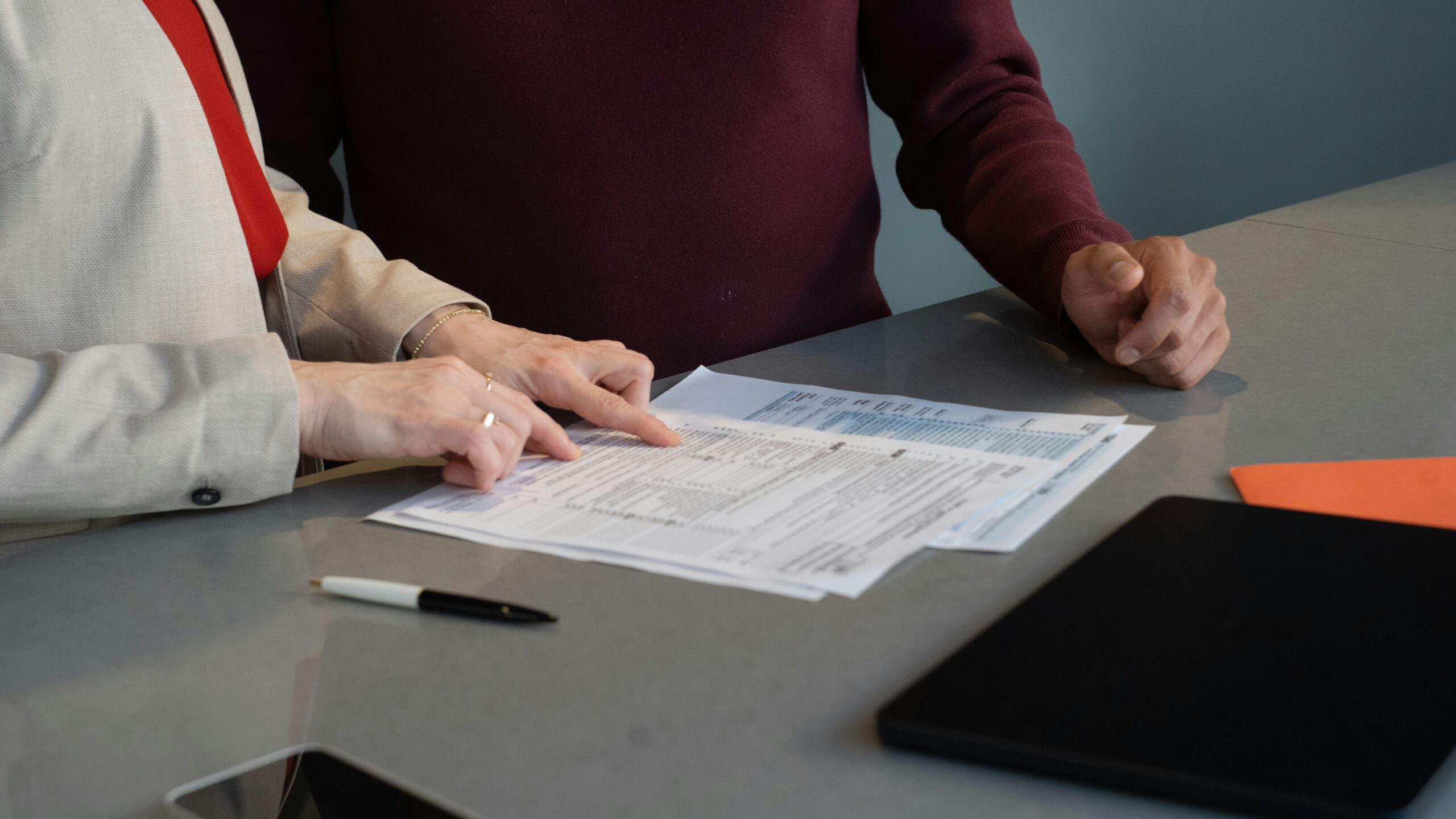
The county page says applications are available at the Assessor’s Office, senior centers and other locations. It points readers to the assessor’s forms page, though it does not name the specific form. The state describes two versions: a short form for applicants with no allowed exceptions to the ownership or occupancy rules, and a long form for applicants who fit an allowed exception and for surviving spouses who apply.
A surviving spouse of a senior who previously qualified may apply if the spouse has not remarried, according to the state. That is also the route the state points to for homeowners whose history does not fit the plain ownership and residence tests.
Questions go to the Boulder County Assessor at 303-441-3530 or [email protected], with the property address included. The office is open 7:30 a.m. to 5 p.m. Monday through Thursday and is closed Friday. The Boulder office is at 1325 Pearl St., on the second floor, with the Longmont office at 515 Coffman St., Suite 114, open Mondays and the Lafayette office at 1755 S. Public Road, open Tuesdays.
The county page also offers a mailing list for exemption notices, which can be requested through the same email address.
Will a Boulder County homeowner born by 1961 be ready when the window reopens after Jan. 1?
A Boulder County homeowner born by Jan. 1, 1961 who has owned and lived in the home since before 2016 has to apply when the window reopens after Jan. 1. A missed filing means a year of tax on value that the state would otherwise have covered.
The Senior Property Tax & Home-Cost Relief Kit lays out the 5 kinds of property-tax relief, the circuit-breaker credit that includes renters, and an application log and renewal calendar. Its Part 7, The Yearly Routine, is built around the repeat deadlines that come with each tax year.
This article was produced with AI assistance and edited for accuracy against the sources linked above.