Twenty-eight kinds of food, three of each, on the shelf every day the doors are open. That is the count USDA now sets for most stores that take food stamps, and a store that falls short does not get a warning label. It gets taken off the program.
The Food and Nutrition Administration at USDA says the updated staple food stocking standards apply from Nov. 4, 2026. A store withdrawn for failing them cannot take SNAP benefits, and the earliest it can reapply is six months after the withdrawal date.
For the household that buys groceries at a small neighborhood store with an EBT card, the question is what happens to the shopping trip if that store cannot meet the count.
Stay ahead of SNAP and food benefit news: Miss an enrollment or claim deadline and the money can be gone. Join the Retirement Money Brief and we’ll send you our SNAP Recertification & EBT Checklist as a welcome gift.
Get the Brief + the SNAP checklist →
We may earn a commission from links on this page.
The 28-variety shelf test
USDA’s stocking standards page says a covered store must carry at least seven varieties in each of four staple food categories: dairy, grains, protein, and vegetables or fruits. Each variety needs at least three stocking units, such as bags, boxes, cans or bunches, which adds up to a minimum of 84 units.
The food has to be available for sale and normally displayed in a public area on any day of operation. A store must also offer a perishable variety in at least three of the four categories, and the owner picks which three.
USDA defines a perishable as food that would spoil or significantly deteriorate within two to three weeks at room temperature. Shelf-stable items that only need a refrigerator after opening do not count as perishable.
What counts as a variety
The agency says a variety is a food distinct from others in its category. In vegetables or fruits, each item is one variety whether it is fresh, frozen, canned, dried or juiced. In protein, each animal such as chicken, beef or salmon can supply three varieties: plain perishable, shelf-stable, and perishable multi-ingredient.
Some products lost their staple status. USDA says snack bars, jerky, shake powders and mixes, cheese or fruit dips and spreads, fruit spreads, and butter no longer count as staple foods for retailer authorization. Stores can still sell them to SNAP households.
The rule changes what a store must stock to stay authorized. USDA states that it does not change what SNAP benefits can buy, and that state food restriction waivers are a separate matter.
Nov. 4 and the withdrawal notice
The final rule was published in the Federal Register on May 8, 2026, and USDA told retailers the same day that new standards were coming. A September notice pointed stores to updated guidance, and USDA issued SNAP Policy Memo #2027-01 on authorization and reauthorization under the staple food standards in October.
USDA also published a stocking standards calculator so stores can plan their shelves. The page says the calculator is only a planning tool. The official decision on whether a store meets the requirements belongs to the agency’s Office of Retailer Operations and Compliance.
The rule page says a store that does not meet the new requirements will be withdrawn from SNAP and can no longer accept benefits. The same page says a store can reapply six months after the date it was withdrawn, and six months after the date it was denied.
Stores the rule leaves alone
The stocking standards do not apply to specialty food stores. USDA lists butchers, fish markets and produce stands as examples. The calculator page adds that a single-category store can qualify if staple food sales are at least 50 percent of its total sales.
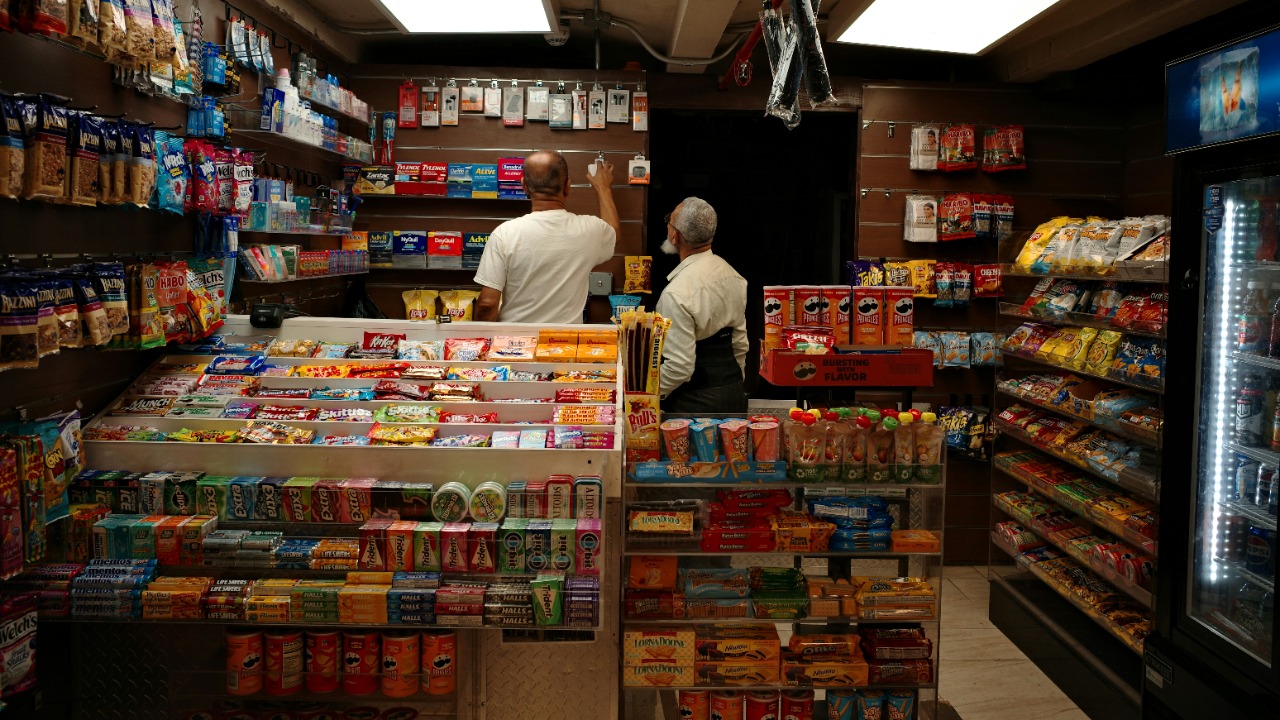
That means the stores most exposed are general-purpose small shops, such as corner groceries and convenience stores, that sell some food but not a deep range of it. USDA has not published a list of stores expected to fall short, and the agency says it sends guidance and notices to the email address each retailer has on file.
Six months without EBT at the corner store
A withdrawal does not take the benefit away from anyone. Monthly SNAP deposits, recertification dates and reporting rules stay exactly as they were. What changes is where the card works, and in neighborhoods with few grocery options, the nearest authorized store can be farther away.
USDA runs the retailer side of SNAP, and the state agency that issues benefits still handles the household side. A shopper whose store is withdrawn keeps the same case, the same caseworker and the same deadlines, and for at least six months has to buy staples from another authorized retailer.
Anyone unsure whether a favorite store is still authorized can ask the store directly. Households with a question about benefits, rather than stores, go to the state SNAP office listed on their notices.
Where does a household shop if the corner store sits out SNAP for six months?
A shopper whose corner store is pulled for thin shelves has to find another authorized retailer for at least six months, and during that stretch the renewal papers and reporting deadlines keep running. A missed change report or a late recertification can cost a household benefits that the store gap never touched.
The SNAP & Medicaid Renewal Organizer walks through SNAP recertification and reporting changes, and it includes 51 state packs and a renewal and reporting calendar. Part 7 covers reporting changes and EBT problems, the section that matters when a card suddenly has fewer places to work.
This article was produced with AI assistance and edited for accuracy against the sources linked above.