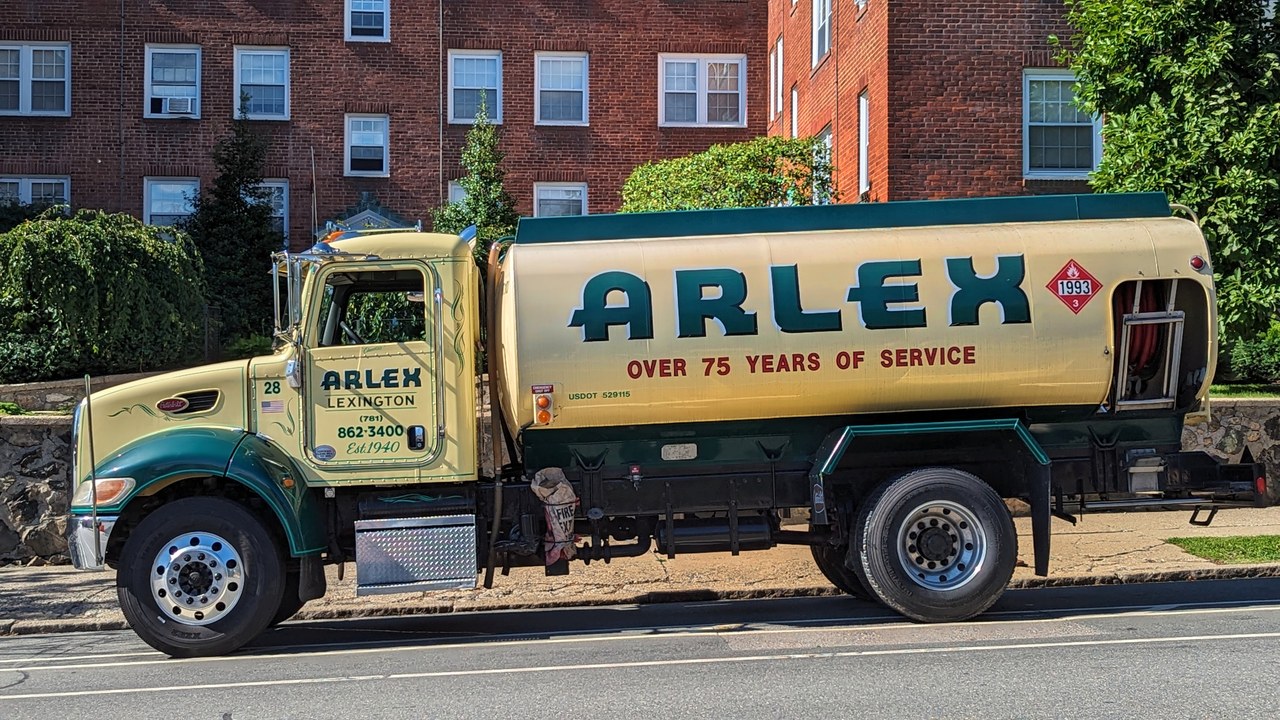
Maine households that run low on heating fuel have a separate emergency track that opens on the first day of November. It sits on top of the regular heating assistance program, which has taken applications since early August. The two programs close on different dates, and the gap between them is easy to miss.
MaineHousing runs both programs, and local community action agencies take the applications. Anyone whose tank is close to empty needs to know which program applies, what the application starts with, and which end date belongs to which.
The question for a household heating with oil, kerosene or propane is what happens if the tank runs dry in January. The state’s answer is a crisis program with its own opening day and its own closing day.
Stay ahead of property tax and utility bill news: Miss an enrollment or claim deadline and the money can be gone. Join the Retirement Money Brief and we’ll send you our Property Tax & Utility Relief Finder as a welcome gift.
Get the Brief + the relief finder →
We may earn a commission from links on this page.
November 1 opens the emergency track
MaineHousing’s Home Energy Assistance Program page says that anyone with an extremely low supply of heating fuel may qualify for crisis assistance through the Energy Crisis Intervention Program, known as ECIP. The page states that applications for the 2026-2027 ECIP season start on November 1, 2026 and run through April 30, 2027.
That makes April 30 the last day of the emergency season. The page does not describe a later extension for ECIP, so a household that waits until May is outside the window the agency lists.
The emergency track is built for a specific situation: a household that is nearly out of fuel, not one that wants to plan ahead for the winter. A tank that still holds a few weeks of oil belongs to the regular program, while a gauge near empty is what the crisis track exists for.
The regular season ends May 29, or sooner
The regular program has a different clock. The same MaineHousing page says applications for the 2026-2027 HEAP season started on August 3, 2026 and continue until funds are exhausted or May 29, 2027.
The wording matters because “or” works as a cutoff. May 29 is the latest the regular season can run, and the money can run out first. A household that treats May 29 as a guaranteed window can find the program closed in the middle of a cold March.
This is the reason the emergency end date and the regular end date should not be blended into one. Crisis applications stop on April 30, and regular applications stop on whichever comes first, funds or May 29.
The application starts with HEAP
Crisis help does not begin with a separate form. MaineHousing’s page says to start by filling out a HEAP application and then contact the local community action agency to determine eligibility for crisis assistance.
Applications can be made online through the MaineHousing portal, or by phone or in person through the local agency. The page tells applicants to enter a zip code to find the agency and call to set up an appointment, and it lists MaineHousing’s number as (877) 544-3271.
The page also warns that an application is denied if all requested documentation is not provided. That puts the paperwork ahead of the phone call for a household with a tank running low.
Income limits and the paperwork behind them
Eligibility depends on household size and gross income. For the 2026-2027 season the page lists a one-person limit of $3,173 a month, or $38,070 over 12 months, and a two-person limit of $4,149 a month, or $49,784 over 12 months. A four-person household tops out at $6,101 a month.
Applicants need the names, dates of birth, Social Security numbers and proof of citizenship for everyone in the household. They also need proof of gross income, such as pay stubs, W-2s, a Form 1040 or unemployment documents, plus recent full energy bills and proof of the heating fuel type.
The page says the list may not be complete and tells applicants to ask the agency what to bring. The fuel types it covers include heating oil, kerosene, propane, natural gas, wood, wood pellets, coal and electricity.
What the page leaves open
MaineHousing’s page says benefits include help with fuel costs and emergency fuel delivery, and that the amount varies with household size, income and other household expenses. It does not publish a dollar amount for either program.
That leaves two unknowns for a household planning ahead: how much the benefit will cover, and whether funds will last through spring. Both are answered by the local agency, and the earlier the application is in, the less the second one matters.
Will the oil last until the crisis season opens on November 1, and who covers a January refill?
A household that waits for an empty tank can land in the crisis window with an incomplete file, because MaineHousing denies applications that lack the requested documents. Crisis applications also stop on April 30, a month before the regular season’s May 29 limit, and the regular season can end sooner if funds run out.
The Senior Property Tax & Home-Cost Relief Kit covers heating, cooling and home-repair help for older homeowners, along with the property-tax freezes and breaks that sit beside it. It includes an application log and renewal calendar, so the November 1 opening, the April 30 crisis cutoff and each document request are tracked in one place.
Get the home-cost relief kit that maps Maine heating help before the tank runs low →
This article was produced with AI assistance and edited for accuracy against the sources linked above.