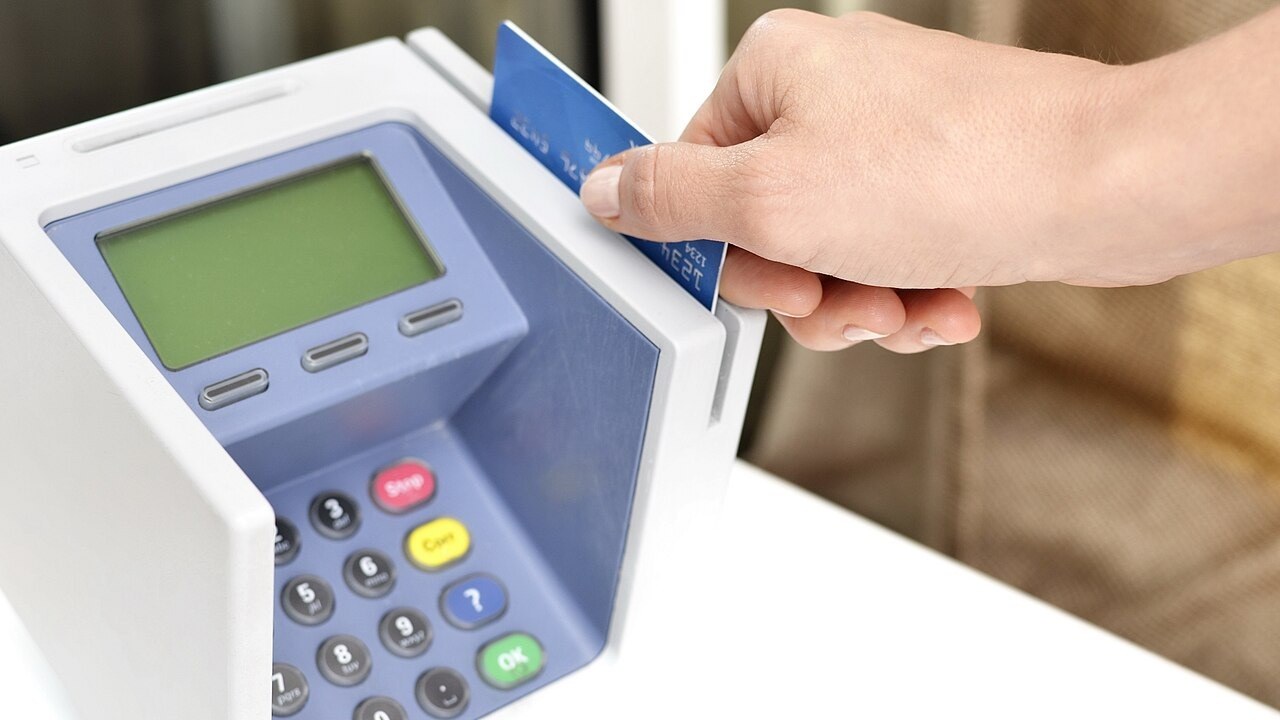
Social Security beneficiaries who still get a paper check must switch to an electronic payment, and the agency’s direct deposit page lists the ways to do it. They can sign up online through a personal my Social Security account, in person at a bank or other financial institution, or by phone through Treasury’s Electronic Payment Solution Center at 1-800-333-1795.
The page says federal law requires federal benefit payments to be made electronically, and that people currently paid by check must move to one of two options: direct deposit into an existing bank account, or a Direct Express Debit Mastercard. Anyone whose check still arrives in the mailbox has a choice to make about which of the two, and which enrollment route to take.
What changed this year: Social Security and Medicare change every year, and nobody sends you a memo. The Retirement Money Brief breaks down what changed and what to do. Bonus when you subscribe: our 2026 Social Security & SSI Payment Calendar.
Get the Brief and the payment calendar →
We may earn a commission from links on this page.
What are the two electronic options?
Social Security’s page names exactly two, and the choice between them is practical. Direct deposit requires an existing bank account, while Direct Express is the card alternative.
The first is direct deposit into an existing bank account, where the payment lands without a trip to cash a check. The second is a Direct Express Debit Mastercard, a prepaid debit card that carries the payment.
The agency’s page also points people without an account to the FDIC’s GetBanked resource, which explains how to open one at an FDIC-insured bank. New applicants have no paper option at all: the page says they must elect to receive their payment electronically when they enroll.
How can a paper-check recipient sign up?
The page lists several routes, and the same switch can be made through any of them:
- Online, through a personal my Social Security account
- In person, at a financial institution
- By phone, through Treasury’s Electronic Payment Solution Center at 1-800-333-1795
- By phone, through Social Security at 1-800-772-1213 (TTY 1-800-325-0778)
The page also mentions Treasury’s Go Direct website and a second phone number, 1-877-874-6347, for setting up direct deposit.
Why does Social Security want checks replaced?
The agency gives its reasons on the same page. Paper checks are more likely to be lost or stolen than electronic payments, it says. It also says beneficiaries do not need to pay any fees to cash their checks, and with direct deposit the money is available as soon as business opens on the day a person normally receives the payment.
Those three points, safety, no cashing fees and same-day availability, are the agency’s case for the change. For a household that lives on one monthly payment, the first of them is the one that matters most, because a lost or stolen check is a missing month of income.
Can anyone keep getting a paper check?
Only in narrow cases. The page says that in extremely rare circumstances, Treasury may grant exceptions to the electronic payment requirement. Anyone who believes they fall into that group can request a waiver by calling Treasury at 1-855-290-1545, or by printing and filling out the waiver form and returning it to the address printed on the form.
The page does not describe which circumstances qualify, and it gives no date by which a current check recipient must have switched.
What happens to the first electronic payment?
The open question for a person making the switch is which month’s payment will be the first to arrive electronically, and whether the last paper check is still on its way. Social Security’s page gives no timetable for that handover.
The agency’s number, 1-800-772-1213, is the place to confirm the date of the first deposit before the next payment day, so that the household’s bills and the new payment line up.
Worried about the first payment after the switch?
A switch from paper to electronic payments is a one-time change, but a first deposit that arrives late or in the wrong place can leave rent and prescriptions waiting on a check that has stopped coming in the mail.
The Social Security Check Protection Kit includes a first-24-hours plan for a late or missing payment, along with the 2026 payment calendar and Part 3, Locking the Check Down. It does not enroll anyone in direct deposit, which Social Security and Treasury handle; it covers what to do after enrollment if a payment does not show.
Get the late-payment plan in the Social Security Check Protection Kit →
More Financial Reading
- 21 Ways to Stretch a $2,087 Social Security Check
- 15 Places to Find Your Share of the $4.25 Billion States Give Back
- 15 Ways Retirees Are Tapping a Record $14.9 Trillion in Home Equity
This article was produced with AI assistance and edited for accuracy against the sources linked above.