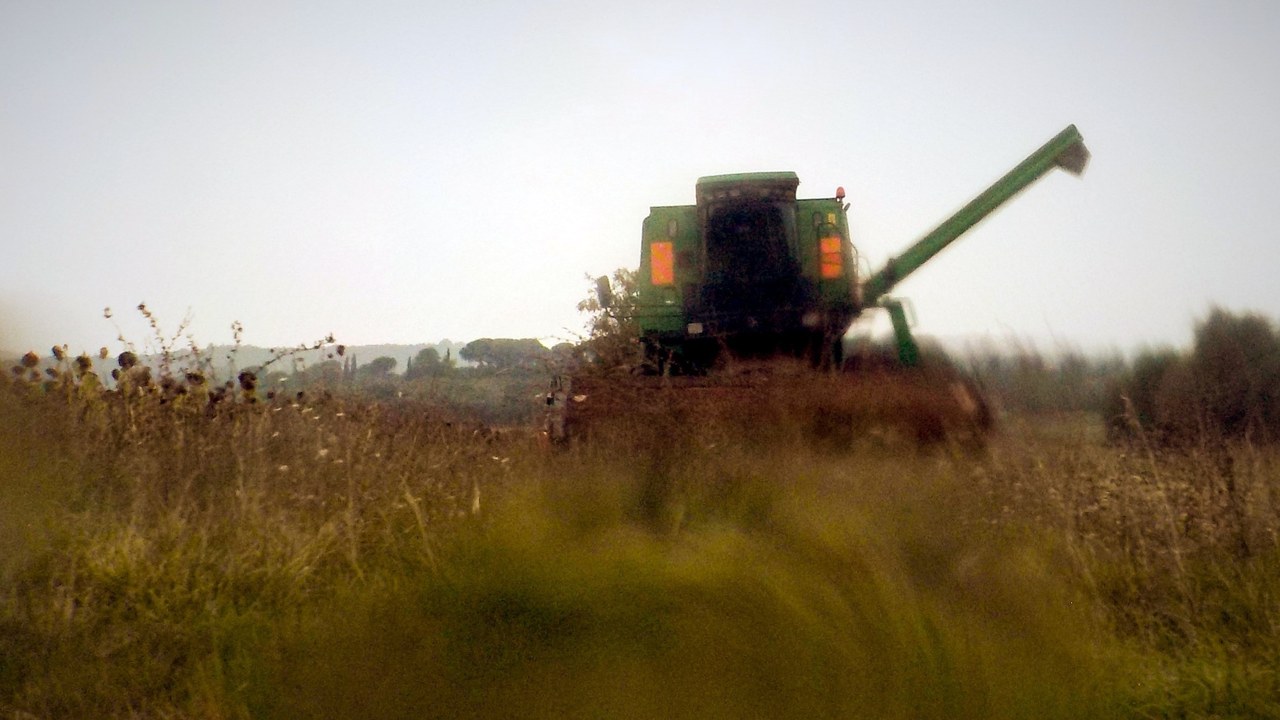
The White House says more than $735 million in emergency aid has reached nearly 53,000 Kansas farmers. The figure comes from a release dated October 19, 2026, which credits the Trump Administration with delivering the money. The numbers are the administration’s own, and the release does not break them down county by county.
The payments went out through the Emergency Commodity Assistance Program for the 2024 crop year, according to the release. The release is part of a broad list of Kansas claims.
What can a rural household check beyond farm programs?
Emergency commodity aid goes to producers, so it reaches a narrow group. Retired farm families, widows who sold the land and rural households living on Social Security are more likely to be weighing a different set of programs: help with Medicare costs, prescription coverage, food benefits, heating bills and property-tax relief.
The White House’s news page carries the Kansas release and the other state releases in the series, which is where the administration’s claims for a given state are posted. Programs that pay individuals each have their own agency, income limits and application, and none of them is triggered by a farm-aid announcement.
Retirement deadlines, in your inbox: Miss an enrollment or claim deadline and the money can be gone. Join the Retirement Money Brief and we’ll send you our 2026 Government Check Reality Tracker as a welcome gift.
Get the Brief + the check tracker →
We may earn a commission from links on this page.
What the White House says Kansas farmers received
In its release, President Trump Delivers Historic Wins for Kansas Workers, Families, Farmers, and Rural Communities, the White House writes that the administration “has delivered more than $735 million to nearly 53,000 Kansas farmers” through the Emergency Commodity Assistance Program for the 2024 crop year. Divided evenly, that works out to roughly $13,900 per farmer, though the release does not say how payments were spread across operations of different sizes.
The same release lists a second round of farm money. It says more than $793 million in payments went to nearly 50,000 Kansas producers under a $12 billion bridge program. It also says year-round sales of E15 fuel, a gasoline blend with ethanol, were approved.
Other Kansas figures in the same release
The release is a broad list of claims about the state, and farm aid is only one part. On taxes, it says Kansas taxpayers received average refunds of $3,453 in 2026, and that about 500,000 Kansas seniors benefit from the senior deduction. It credits the Working Families Tax Cuts with protecting 53,000 jobs, $10 billion in state GDP and $5 billion in wages.
On health care, the White House says Kansas received $222 million in first-year Rural Health Transformation funding, described as the sixth-largest award among states. About $17 million of that went to 14 rural providers for diagnostic tools and remote patient monitoring, and $780,000 went to patient transport.
The release also names private projects it ties to the administration, among them a $3 billion data center campus in De Soto from Beale Infrastructure, a $895 million Merck Animal Health investment with 200 jobs, and a $175 million Fiserv expansion in Overland Park with 2,000 jobs. It lists a $53 million federal award for the K-96 highway project in Wichita, and military projects, including $26 million for an air traffic control tower at Fort Riley and $8 million for a fire station at Fort Leavenworth.
Where the numbers stop
The release gives totals and counts, not a list of recipients or a payment schedule. It does not say whether further payments are coming under the Emergency Commodity Assistance Program, and it describes the bridge-program payments as a separate $12 billion effort.
What the White House has put on paper for Kansas is $735 million-plus to nearly 53,000 farmers for the 2024 crop year, over $793 million to nearly 50,000 producers under the bridge program, and a $3,453 average tax refund. Whether a given farm family or retiree sees any of it depends on the program that applies to their own situation.
What else might a Kansas farm household check this year?
A $735 million headline can leave a rural household thinking help has already been handled, when programs for Medicare costs, prescriptions, food, heat and property taxes are separate and each has to be applied for.
The Benefits Checklist covers 11 benefit programs retirees most often miss, with the 2026 income limits and a 50-state phone directory. Part 5 walks through property-tax breaks and circuit-breaker credits, and a printable application tracker comes with the download.
Scan 11 benefit programs for a rural household with the Benefits Checklist →
More Financial Reading
- 21 Ways to Stretch a $2,087 Social Security Check
- 15 Places to Find Your Share of the $4.25 Billion States Give Back
- 15 Steps to Stop the Scams That Took $7.7 Billion From Seniors
This article was produced with AI assistance and edited for accuracy against the sources linked above.