
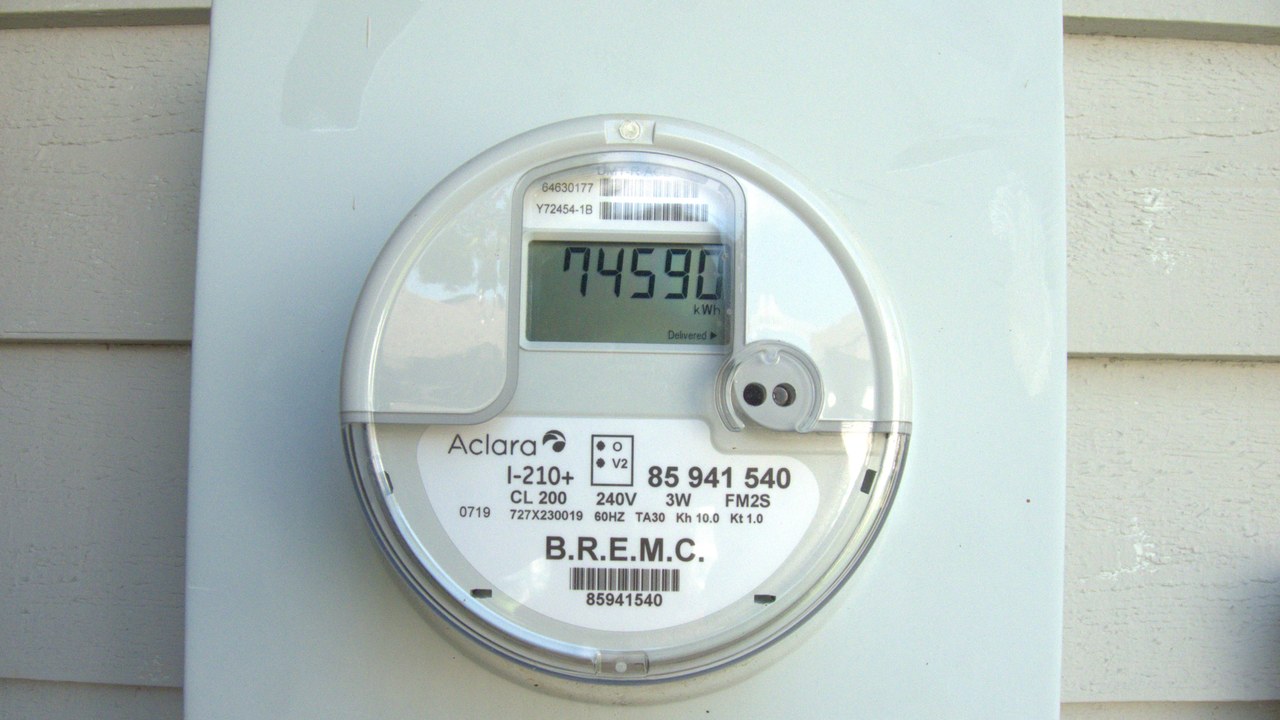
Indiana’s Energy Assistance Program is open for the 2027 program year, and the money goes to the utility, not into a bank account. The state’s benefit is a one-time annual payment sent straight to the household’s utility vendor to cover heating and electric costs.
The Indiana Housing and Community Development Authority runs the program. Its Energy Assistance Program page also describes a direct-pay option, where the payment is mailed to the household instead. That route can take up to 120 days after approval.
Who gets paid when Indiana approves a household?
For most approved households, the utility company is the one that receives the check. The state sends a single annual benefit to the vendor, and it shows up as a credit on the customer’s account rather than as cash in hand. There is no monthly payment, and the household does not receive a separate deposit.
Anyone who is approved should watch the next utility bill or account statement for that credit. If the bill does not reflect it, the household’s local service provider, the agency that took the application, is the first call to make. Indiana’s state office takes questions at 317-232-7777 or [email protected].
The direct-pay route mails the payment to the household instead of the vendor, and the state page says it can take up to 120 days after approval to arrive. That is a long wait in a heating season. The state says the program can also help households facing disconnection, so a shutoff notice is worth mentioning when applying.
Retirement deadlines, in your inbox: Miss an enrollment or claim deadline and the money can be gone. Join the Retirement Money Brief and we’ll send you our Property Tax & Utility Relief Finder as a welcome gift.
Get the Brief + the relief finder →
We may earn a commission from links on this page.
When can Indiana households apply?
The online portal opened to the public on Oct. 1, 2026, at 8 a.m. Eastern. The last day to apply is April 30, 2027, at 5 p.m. Applications can be filed online through the state’s LITT portal, by mail or in person. Phone appointments are also available through a local service provider.
Local service providers are often community action agencies. The state page lists them by county, and gives examples such as Community Action of Northeast Indiana/Brightpoint at (800) 589-3506, Human Services, Inc. at 812-372-8407 and Community Action of Greater Indianapolis at 317-396-1800. Paper applications come from the same offices. Those three are only examples, and the county map or dropdown on the page finds the right office for a given address.
What are the income limits and required papers?
Households at or below 60 percent of the state median income qualify for consideration. Eligibility is based on the most recent three months of income. The three-month limits on the state page are $8,389 for one person, $10,970 for two, $13,551 for three and $16,133 for four.
Applicants need proof of income and current utility bills or account statements. Renters whose utilities are included in the rent need a tenant verification statement or a current lease, and local offices may ask for more. The state says households whose utilities are included in rent may still qualify, and the program can also help households facing disconnection.
What should a household check once the payment is made?
Because the utility, not the household, receives the money, the proof that it arrived is on the account. A credit that matches the approval notice means the payment landed. A shutoff notice that is still sitting in the mail after approval is a reason to call the local provider before the disconnection date.
The program year runs through April 30, 2027, so there is time to apply and to follow up, and the full instructions are on the state’s page. The open question for every approved household is whether the single annual payment covers the whole winter.
Waiting on an Indiana energy credit to show on the utility bill?
An approved Indiana household gets one annual payment, sent to the utility and not to the family. If that credit is smaller than the winter bills, or never posts, the gap shows up as a balance owed.
The Senior Property Tax & Home-Cost Relief Kit covers heating, cooling and home-repair help for older homeowners, and it includes an application log and renewal calendar for tracking what was filed and when it renews.
Get the kit’s heating, cooling and home-repair help for Indiana households →
More Financial Reading
- 21 Ways to Stretch a $2,087 Social Security Check
- 15 Places to Find Your Share of the $4.25 Billion States Give Back
- 15 Ways Out of 22% Credit Card Interest
This article was produced with AI assistance and edited for accuracy against the sources linked above.


