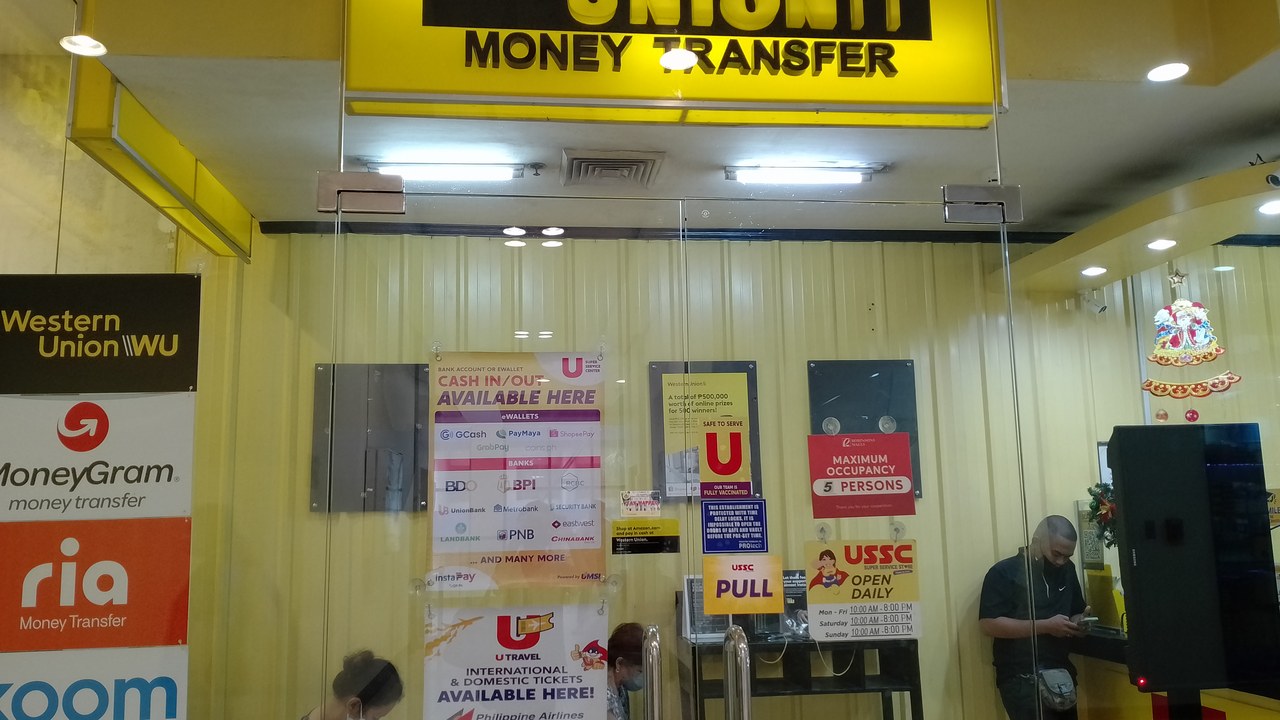
Victims of old wire-transfer scams who sent money through Western Union now have until December 31, 2026 to file a petition for repayment. The Justice Department process had set the deadline at August 19, 2026, and the remission website now says petitions must be postmarked or submitted online on or before December 31.
The money comes from the $586 million Western Union agreed to forfeit, and it is not paid automatically. A petition with supporting documents is required, so the later date matters mainly to people who have not yet filed.
I lost money to a scam years ago, so can I still get any of it back?
Possibly, if the transfer fits the dates. The remission website for the third phase of the case says it covers people who made a wire transfer through Western Union between January 1, 2004 and March 9, 2020. The transfer has to be inside that window. A payment sent in 2021 would fall outside it.
The site names three kinds of scams that victims were pulled into: the grandparent scam, lottery or sweepstakes scams, and romance scams. A grandparent who wired money to a caller pretending to be a grandchild in trouble is the kind of case it describes. So is a person who paid fees to collect a sweepstakes prize that did not exist, or who sent money to someone met online.
What changed this year: Social Security and Medicare change every year, and nobody sends you a memo. The Retirement Money Brief breaks down what changed and what to do.
Get the Retirement Money Brief →
We may earn a commission from links on this page.
How did the deadline change?
The site says the original submission deadline for petitions was August 19, 2026. It carries an update dated August 5, 2026 announcing the extension, which means the extension came before the first date passed. The December 31 date is now the one that governs.
That extension helps anyone who has not filed yet, including people who only learned about the process after the summer. The site warns that late mail “will be subject to the Justice Department’s discretion,” so waiting until the last week of December adds risk.
Who is running this, and how much has been paid?
The site says the Department of Justice is overseeing the remission process and hired Verita Global, formerly Gilardi and Company, to serve as the remission administrator. The money traces to January 19, 2017, when Western Union agreed to forfeit $586 million.
Some of it is already out the door. The site says the process “has distributed over $430 million” to more than 178,000 victims.
What does a petition require?
Nothing arrives on its own. This is a petition process, not an automatic payment, so a victim who files nothing receives nothing from this phase. The site lists the Justice Department as the agency overseeing it, which makes the official remission site the free place to file, and a request from anyone else for a fee to file on a victim’s behalf deserves suspicion.
Petitions must be submitted “along with any available supporting documentation.” The site does not set a minimum amount of paperwork. Wire receipts, bank statements, emails or letters tied to the scam are the sort of material that can help, and anything that shows when money was sent and how much belongs in the file.
A petition can be completed online through the site’s file-claim link, or mailed to United States v. The Western Union Company Phase 3, PO Box 301132, Los Angeles, CA 90030-1132. Mailed petitions have to be postmarked by December 31.
Which dates matter on the remission site?
The site mentions several dates, and they are easy to mix up. These are the ones that bear on a petition:
- January 19, 2017: Western Union agreed to forfeit $586 million.
- January 1, 2004 to March 9, 2020: the transfers the process covers.
- May 21, 2026: the date of a letter sent to petitioners from Phases 1 and 2.
- August 5, 2026: the update announcing the deadline extension.
- August 19, 2026: the original petition deadline.
- October 7, 2026: the date of an update on the site tied to the Justice Department’s Phase Three press release.
- December 31, 2026: the current postmark and online deadline.
Only the transfer window and the December 31 deadline decide whether a petition qualifies and arrives in time. The rest explain how the process got here.
What should an old scam victim check first?
The first check is the date of the transfer, because the January 1, 2004 to March 9, 2020 window is firm. The second is whether any records survive. Victims who already filed in an earlier phase received a letter, according to the site, which says one was sent on May 21, 2026 to petitioners from Phases 1 and 2.
The open question for anyone who lost money this way is whether their old paperwork is enough to support a petition. The Justice Department’s process leaves that to the administrator, and the free place to start is the official remission site.
Lost money to a Western Union scam before March 2020?
A petition that arrives late, or without records of the transfer, can leave an old scam loss unrecovered even though the December 31 date is open. Late mail is left to the Justice Department’s discretion, and the process is not automatic.
The Senior Fraud Defense & First-Hour Recovery Kit includes a fraud evidence and report log for pulling together dates, amounts and receipts, plus the first-hour recovery plan and the free credit-freeze steps. Part 3 explains reporting and what each report does.
Get the evidence tracker for a Western Union petition before December 31 →
More Financial Reading
- 21 Ways to Stretch a $2,087 Social Security Check
- 15 Places to Find Your Share of the $4.25 Billion States Give Back
- 21 Ways Retirees Can Raise $1,000 Fast Without a Job
This article was produced with AI assistance and edited for accuracy against the sources linked above.