
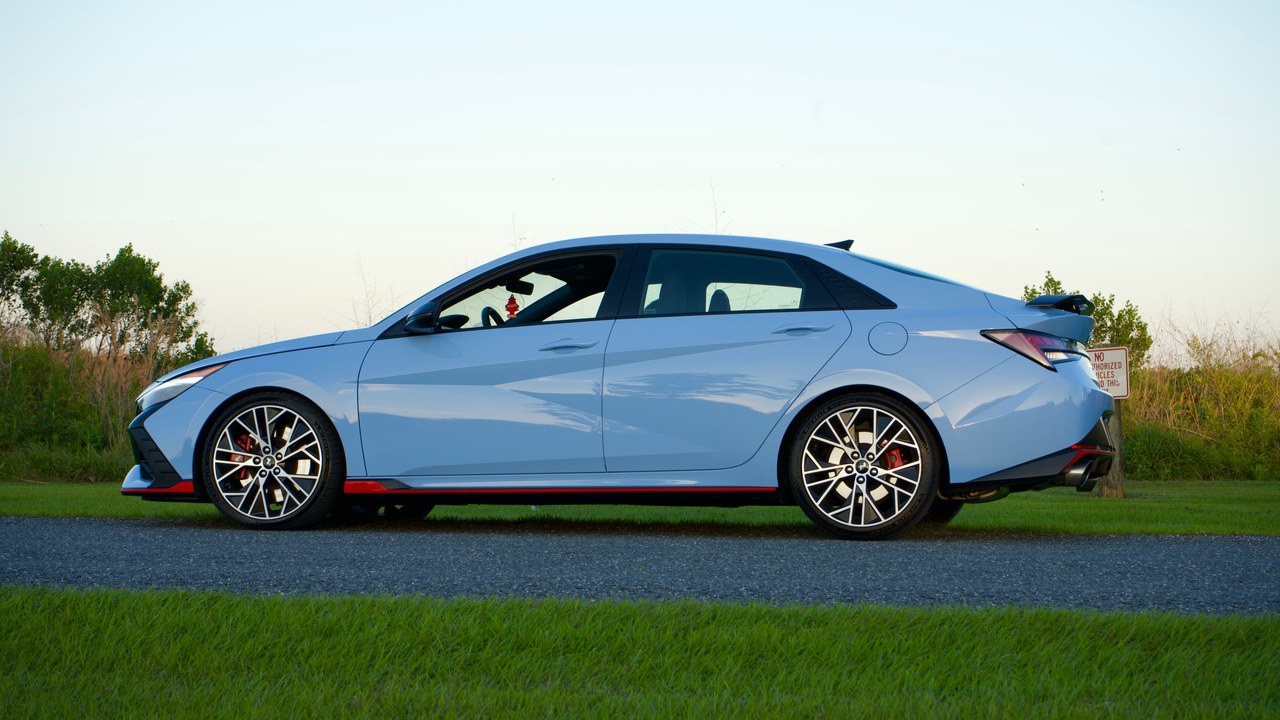
Hyundai and Kia owners whose cars were stolen, or nearly stolen, because of the missing factory immobilizer can be paid up to $4,500, but the money is limited and goes out in the order claims arrive. The multistate settlement’s administrator site says funds “will be disbursed on a rolling basis until the limited fund is exhausted,” and that the theft has to happen before March 31, 2027.
The amounts are caps, not flat payments, and the site does not say how large the fund is. That combination makes the order of filing matter more than it does in a settlement with a fixed payout for everyone.
What a theft claim can pay
The settlement site lists three payment levels, each described as “up to” an amount. A theft that ends in a total loss can be paid up to $4,500. A partial loss can be paid up to $2,250. An attempted theft can be paid up to $375, and the site describes that amount as covering reasonable expenses related to the attempt.
Because every figure is a ceiling, two owners with the same model and the same kind of theft can receive different amounts. The site does not publish a formula for how the amount within each cap is set.
Filing now or waiting
For an owner who had a listed Hyundai or Kia stolen or targeted, the question is whether the claim can wait. The administrator’s site answers it directly: “Once the funds are exhausted, no further claims will be paid, so please do not wait to submit your claim.” It does not give a claim deadline, and the March 31, 2027 date applies to when the theft happened, not to when the paperwork has to arrive. With no stated fund size and no deadline, the only date that protects an eligible owner is the one on which the claim is filed, and the sooner it is in, the more of the fund remains.
With no fund size and no filing deadline listed, a Hyundai or Kia theft claim runs on a first-come basis, and the March 31, 2027 date only closes the window on thefts. The Settlement & Refund Recovery System includes the four-date rule for reading a settlement notice and a claim log and payment tracker, so the theft date, the filing date and each follow-up stay in one place.
Log the Hyundai and Kia theft claim in the claim tracker →
The vehicles on the list
The settlement covers Hyundai and Kia models that were not equipped with an immobilizer at the factory. For Hyundai, the site lists the Accent (2018-2022), Elantra (2011-2022), Elantra GT (2013-2020), Genesis Coupe (2013-2014), Kona (2018-2022), Palisade (2020-2021), Santa Fe (2013-2022), Santa Fe Sport (2013-2018), Santa Fe XL (2019), Sonata (2011-2019), Tucson (2011-2022), Veloster (2012-2017) and Venue (2019-2021).
For Kia, it lists the Forte (2014-2021), K5 (2021-2022), Optima (2011-2020), Rio (2012-2021), Sedona (2011-2021), Seltos (2021-2022), Sorento (2011-2022), Soul (2020-2022) and Sportage (2011-2022). A car outside those model-year ranges is outside the settlement as the site lists it.
The theft window and the software upgrade
The theft or attempt has to fall on or after April 29, 2025, and before the earlier of two events: the date the vehicle received the free zinc sleeve, or March 31, 2027. A vehicle that gets the sleeve installed stops qualifying for later thefts on that date, even if March 2027 is still months away.
A second condition applies at the moment of the theft. To qualify for a theft payment, the vehicle either had the free software upgrade installed or had an appointment scheduled for it when the theft or attempt happened. The zinc-reinforced ignition cylinder protector, called the zinc sleeve, can be installed at no cost at any authorized Hyundai or Kia dealership, and the site notes that it is separate from the software upgrade.
What the settlement site does not say
The site carries the word “multistate” in its address but does not list the states involved. It gives no total for the fund, no filing method on the page and no description of the proof a claimant needs. Those gaps are why the dollar caps are the only firm numbers: up to $4,500, up to $2,250 and up to $375.
The same gaps are the reason to treat the page as the starting point rather than the whole claim. A reader holding a settlement notice, a postcard or an email about the case can compare it with the administrator’s page, since the notice is where filing instructions would normally appear.
Reading the dates before the fund runs dry
The free source for everything above is the settlement administrator’s site. It lists the eligible models, the three payment caps, the theft window and the exhaustion warning, and it is the page to return to for any change in the instructions.
Four dates carry the claim: the day the car was stolen or the attempt happened, the day the software upgrade was installed or its appointment was made, the day the zinc sleeve went on if it has, and the day the claim is filed. Police report numbers, repair estimates and dealer paperwork from around those dates are worth gathering before anything is submitted, since the site does not say what proof is required.
The firm limits come from the administrator’s own wording: theft on or after April 29, 2025 and before March 31, 2027, payments of up to $4,500, $2,250 or $375, and no further claims paid once the limited fund is exhausted.
Up to $4,500, paid until the fund runs out
A claim that comes in after the limited fund is exhausted is not paid, and the theft has to fall between April 29, 2025 and March 31, 2027 to count at all. The Settlement & Refund Recovery System walks through a step-by-step filing walkthrough and a claim log and payment tracker, so each date and each contact on a Hyundai or Kia claim is written down when it happens.
Follow the step-by-step filing walkthrough in the Recovery System →
This article was produced with AI assistance and edited for accuracy against the sources linked above.


