
Category: Rule Changes
-

Montana cuts its top income tax rate for 2027 and widens a lower bracket
Montana taxpayers with a decent-sized income will see a smaller state tax bill starting in tax year 2027. The state’s top income tax rate drops from 5.65 percent in 2026 to 5.4 percent in 2027, and the income that is taxed at the lower 4.7 percent rate grows by $35,000 for couples filing together. The…
-

Los Angeles County mails about 2.4 million property tax bills, and the first installment, due Nov. 1, turns delinquent after Dec. 10 with a penalty added
About 2.4 million Los Angeles County property tax bills go out each year, and the 2026-27 round carries a date that costs real money to miss. The first installment is due Nov. 1 and turns delinquent at the close of business on Dec. 10, when a 10 percent penalty is added. The Treasurer and Tax…
-
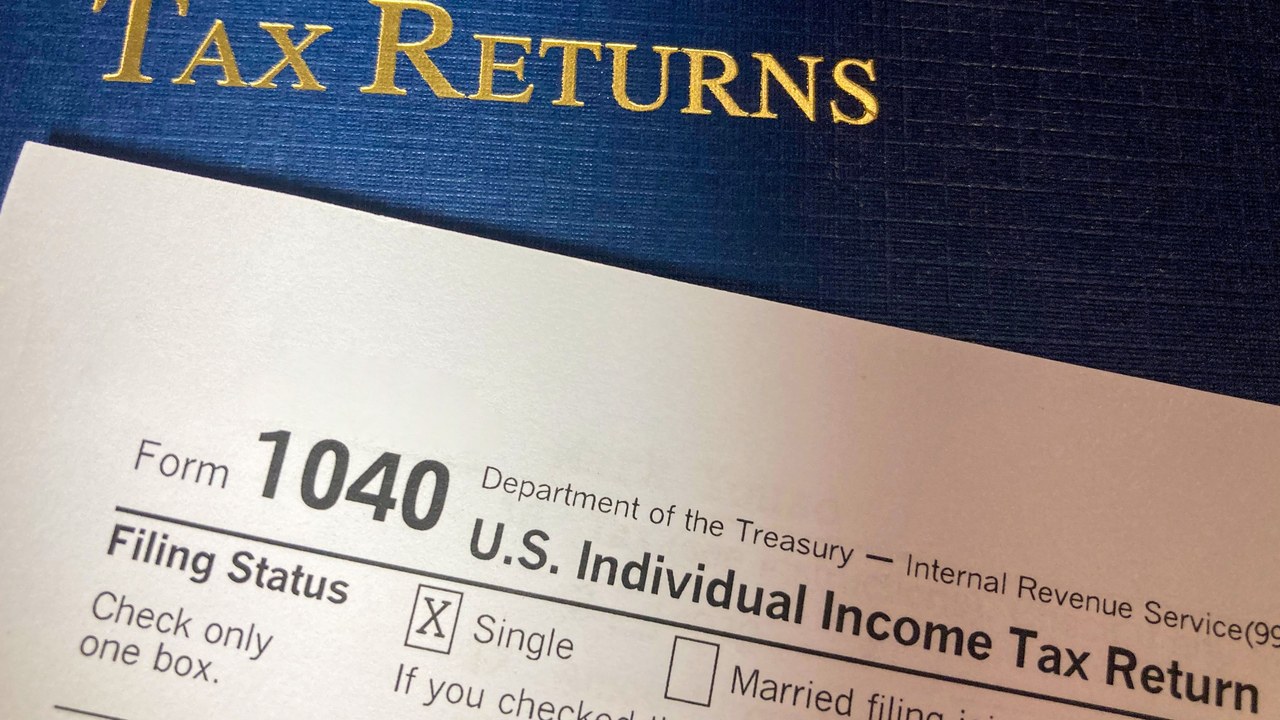
The Senate unanimously passed 65 IRS service reforms in the Taxpayer Assistance and Service Act, and the House must act before any take effect
Sixty-five changes to how the Internal Revenue Service treats taxpayers cleared the Senate on Sept. 30, 2026, with no senator objecting. None of them is law. The package, called the Taxpayer Assistance and Service Act, now sits with the House, and nothing in it takes effect unless the House acts and the bill reaches the…
-

Utah’s gas tax is 31.9 cents a gallon through Dec. 31, down from its standard 37.9 cents
Utah drivers have been paying six cents less per gallon in state fuel tax since July 1, and that discount has a stop date. The Utah State Tax Commission’s fuel rate table lists a temporary motor fuel rate of 31.9 cents a gallon from July 1 through Dec. 31, 2026. The standard rate, in effect…
-

Georgia extended its gas tax suspension through Nov. 5, and regular gas there fell about 33 cents a gallon after the pause began, AAA says
Georgia’s pause on its gas tax now has a longer runway. Gov. Brian Kemp’s office announced on Oct. 6 that the state of emergency behind the suspension, and the suspension itself, will run through Nov. 5. The first order had set Oct. 29 as the last day, so the extension adds a week. What the…
-

Ohio drivers pay almost no state gas tax from Oct. 4 through Jan. 2, as the 38.5-cent gasoline tax and 47-cent diesel tax drop to a hundredth of a cent
At 12:01 a.m. on Sunday, Oct. 4, Ohio’s state tax on a gallon of gasoline dropped from 38.5 cents to one-hundredth of a cent. The diesel tax fell from 47 cents to the same $0.0001. The Ohio Department of Taxation says the break lasts until 11:59 p.m. on Jan. 2, 2027, which takes in Thanksgiving,…
-

Trump’s trade office kept two 2018 China tariff actions in force during a new review
The Office of the U.S. Trade Representative has decided that two of the original tariff actions against China will not end. The July 6, 2018 and Aug. 23, 2018 Section 301 actions, which put 25 percent duties on thousands of Chinese product lines, were set to lapse this summer unless American industries asked for them…
-

Overseas packages worth up to $2,500 would need a customs filing before they land, and mail left unentered for 15 days would count as abandoned, under a CBP proposal
Customs and Border Protection has proposed that overseas packages worth $2,500 or less would need an electronic customs filing on or before arrival, and that mail left unentered for 15 days would count as abandoned. The agency published the proposal as a rule in the Federal Register on Oct. 8. It is a proposal, and…
-

Immigration fees set by Trump’s tax law rise Oct. 16, with parole going to $1,050 and initial asylum work permits to $570, and filings with the old fee will be rejected
Several immigration fees set by the 2025 tax-and-spending law, known as H.R. 1, go up on Oct. 16. The parole fee rises from $1,020 to $1,050, and the fee for a first work permit for an asylum applicant rises from $560 to $570. Any request postmarked on or after Oct. 16 without the proper fee…
-

IRS automatic penalty relief is replacing First Time Abate starting with 2025 tax-year returns, but tax and interest remain due
The IRS has started replacing First Time Abate, its long-standing request-based penalty waiver, with an automatic one. Taxpayers with a clean three-year filing and payment record are no longer asked to call or write: the agency applies the relief itself and sends a notice saying so. The tax and the interest on it are still…