
Category: Credits & Deductions
-

Sacramento County veterans rated totally disabled can shield up to $271,009 of a home’s value from property tax, but first-time claims are due by December 31
A Sacramento County veteran rated 100 percent disabled can have up to $271,009 of a home’s value taken off the property tax bill for 2026, and a first-time claim for that tax year has to be filed by December 31. That is the top figure in the county assessor’s 2026 table, and it applies to…
-

Trump’s White House calls it no tax on Social Security, but the IRS says people 65 and older get a $6,000 deduction through 2028 that phases out above $75,000
The White House headlines it “No Tax on Social Security,” but the 2025 budget law did not end the tax on benefits. What it added, the Internal Revenue Service says, is an extra $6,000 deduction for people 65 and older that applies for 2025 through 2028 and shrinks for higher earners. The label appeared again…
-

Connecticut exempts Social Security from state tax below $75,000 in income, $100,000 for couples
Connecticut does not tax Social Security benefits for most retirees, but the exemption has income limits. The state Department of Revenue Services says benefits are fully exempt when federal adjusted gross income is under $75,000 for single filers and under $100,000 for married couples filing jointly. Above those lines, the exemption shrinks. Where the $75,000…
-

New Jersey homeowners 65 and older with 2025 income up to $172,475 have until November 2 to file the PAS-1 for the Senior Freeze
New Jersey homeowners who want the Senior Freeze for the 2025 tax year have until Monday, November 2, 2026 to file. The state’s Division of Taxation property tax relief page says so in as many words: “The deadline for the 2025 application is November 2, 2026.” The application is the PAS-1, the combined property tax…
-
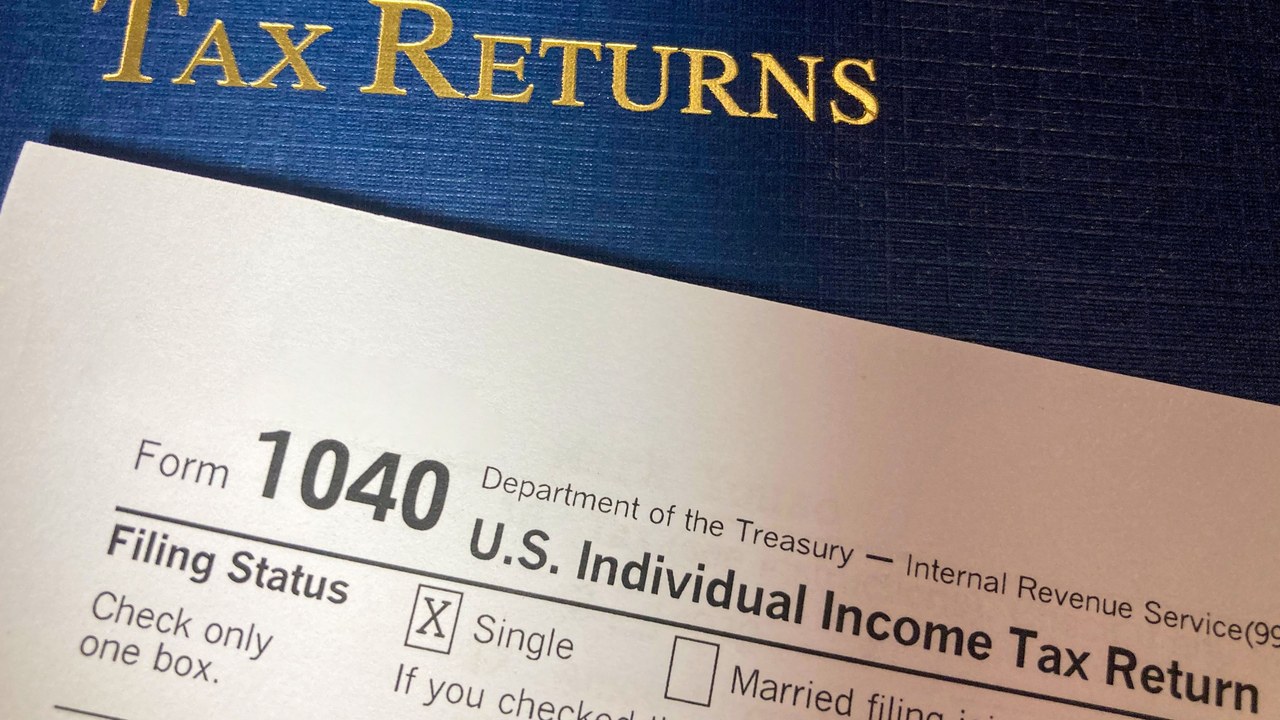
The IRS says the senior deduction survives itemizing, so a 65-year-old writing off mortgage interest and medical bills keeps it too, for tax years 2025 through 2028
Taxpayers who itemize their deductions do not have to give up the new senior deduction. The IRS says the extra $6,000 for people 65 and older is available to both itemizers and people who take the standard deduction, and it applies for tax years 2025 through 2028. That settles a question many older homeowners have…
-

The Treasury Department counts 30 states already opted in to the new federal scholarship credit, which a donor may claim in any state
Treasury counts 30 states signed up for a new federal tax credit for scholarship donations, according to Treasury Secretary Scott Bessent. The credit is worth up to $1,700 for one person and up to $3,400 on a joint return, and it begins with gifts made in 2027. A donor can give to a scholarship group…
-

The IRS is mailing CP321J notices telling savers they can get up to $1,000 a year paid straight into a retirement account from 2027
Letters from the Internal Revenue Service labeled CP321J are going out to people who may be able to collect a new federal match on their retirement savings. The notice says savers could get up to $1,000 a year added directly to a retirement account, starting in 2027. The money is not a check and does…
-

Tennessee disabled veterans can file a 2026 application for state-paid property tax relief
Tennessee is taking 2026 applications for property tax relief for disabled veterans who own and live in their homes. The state pays part or all of the property taxes a veteran has already paid, based on up to $175,000 of the home’s market value, through a program run by the Comptroller of the Treasury. The…
-

Refugees and asylees no longer qualify for Kentucky Medicaid under federal changes that began Oct. 1, and lose Marketplace premium tax credits starting Jan. 1, 2027
Federal changes that took effect October 1, 2026 end Medicaid eligibility in Kentucky for refugees and asylees. On January 1, 2027, those same groups also lose the premium tax credits that lower the cost of Marketplace health plans. Kentucky says affected Medicaid members will be contacted. The Kentucky Health Benefit Exchange spells out both dates…
-
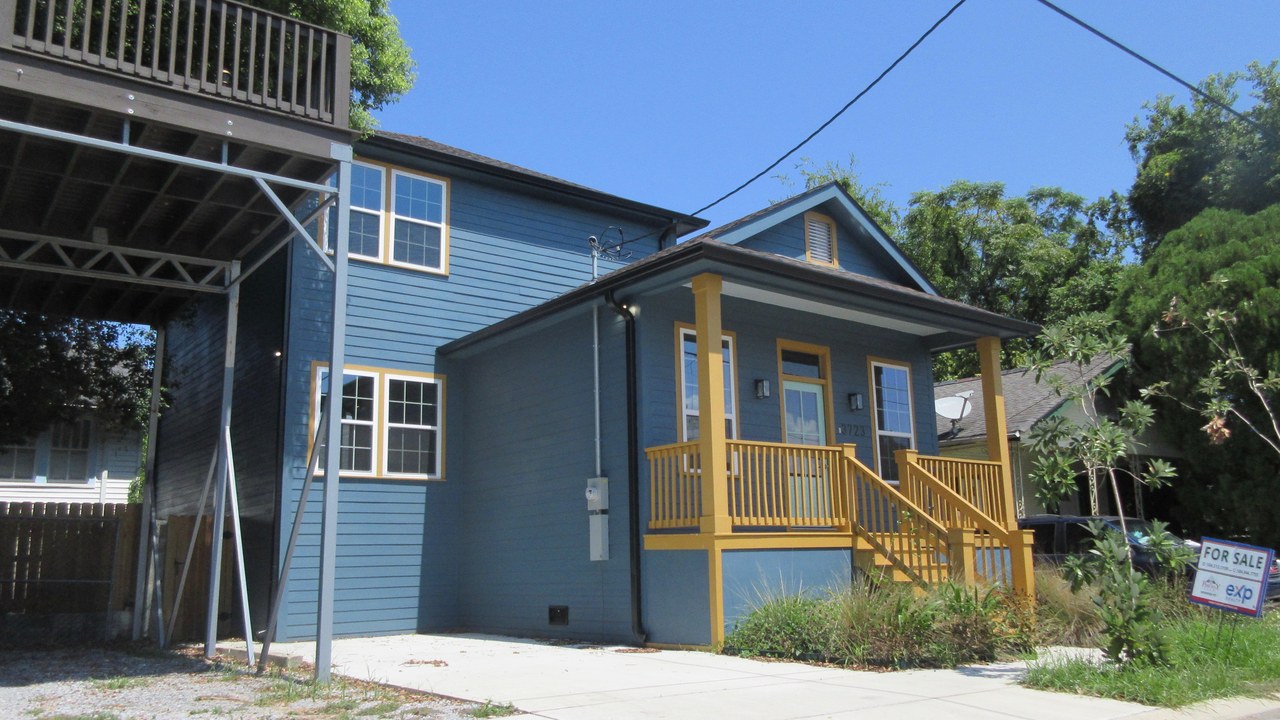
The IRS lets a widow or widower who sells the home within two years of the spouse’s death, before remarrying, keep the larger married-couple home-sale tax exclusion
Surviving spouses who sell the family home within two years of the death, and have not remarried, can keep the larger home-sale tax exclusion that married couples get. That means up to $500,000 of profit can be excluded from tax instead of the usual $250,000 for a single owner. The rule comes from the tax…