
Category: Paychecks & Work
-

One in four unemployed Americans has now been out of work more than six months
The latest federal jobs data shows the longest-lasting bout of unemployment in years is becoming more common, not less. Nearly 1.9 million Americans have been searching for work for more than six months, long enough to exhaust most state unemployment checks and start eating into retirement savings or credit-card limits. For households living paycheck to…
-

Mandatory tips and automatic service charges do not count toward the new tip deduction
Servers, bartenders and other tipped workers now have a firm answer on what does and doesn’t count toward the new federal tip deduction: an automatic service charge a restaurant adds to the bill, with no way for the customer to refuse it, is not a qualified tip, even after the money reaches the staff who…
-

A new line on the 2026 W-4 lets overtime workers cut withholding now instead of waiting for the refund
A line on the federal withholding form used by millions of paycheck workers quietly picked up a new function for 2026. Overtime pay already carries a federal income tax deduction created by last year’s tax law, but claiming it used to mean waiting for a refund the following spring regardless of how the money was…
-
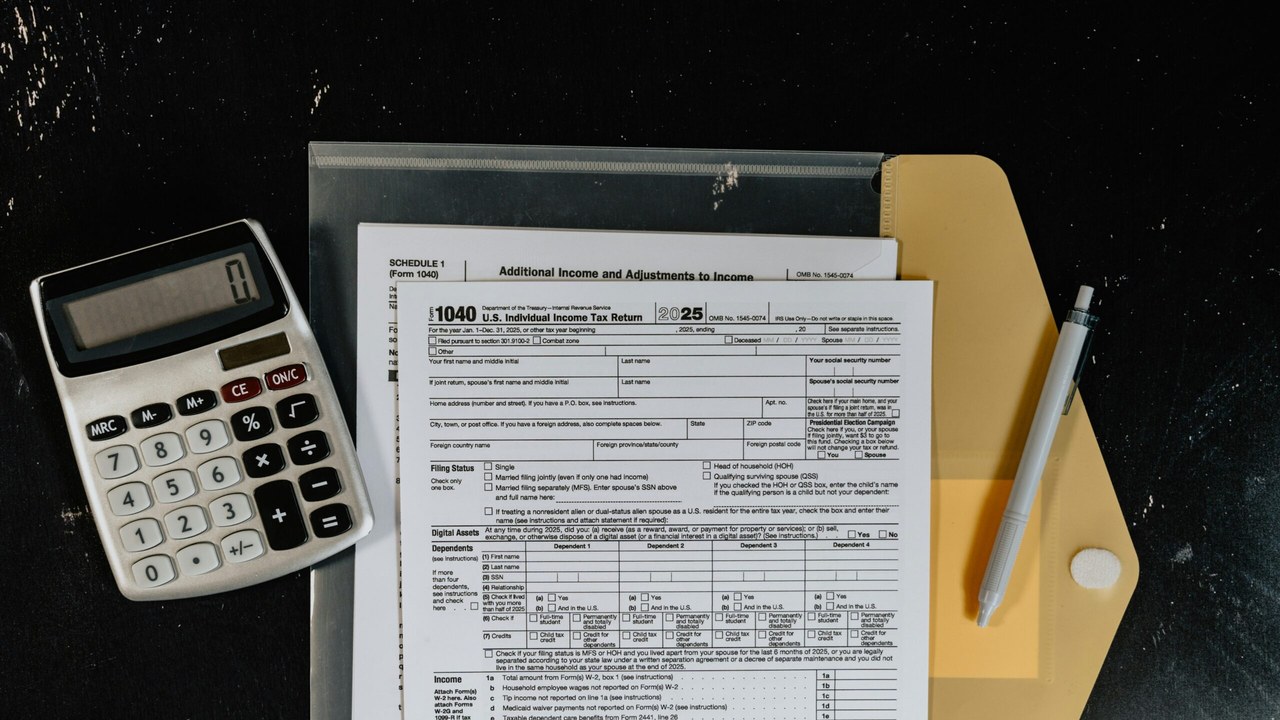
Overtime must appear on the 2026 W-2 in box 12 under code TT to be deductible
A single two-letter code sitting in box 12 of a 2026 Form W-2 now decides whether a household’s overtime pay carries a federal tax deduction at all. Under new IRS guidance, the amount an employer types next to code TT is the only figure the tax code will recognize for the qualified overtime deduction that…
-

Only the premium half of overtime qualifies for the new deduction, the IRS says
A worker who logs a 50-hour week and collects double time for the ten hours past 40 might assume the entire overtime check counts toward the new federal deduction. It does not. In an August 6 rewrite of its guidance on the deduction for qualified overtime compensation, the IRS worked through that exact scenario and…
-

DOL reports $101,125 in back wages recovered from three Baton Rouge-area restaurants.
The U.S. Department of Labor says an investigation recovered $101,125 in back wages for 36 workers at three Baton Rouge-area Japanese restaurants. The August 24 announcement concerns minimum-wage, overtime and tip-related requirements under the Fair Labor Standards Act. It is an enforcement recovery for identified workers, not a new benefit program or a payment that…
-

DOL recovered $618,666 in back wages and full tips for 779 South Carolina restaurant workers.
A South Carolina restaurant group paid $618,666 in back wages to 779 employees after a federal investigation found wage, tip-pool, recordkeeping and child-labor violations, the U.S. Department of Labor says. The agency also assessed $100,000 in civil money penalties, a separate amount that does not go to the workers named in the recovery. The scale…
-

DOL recovered $732,976 for 31 Florida seafood-restaurant workers.
A federal wage investigation at a Pompano Beach seafood restaurant ended with $732,976 recovered for 31 workers, according to the U.S. Department of Labor. The agency says the case involved a monthly-pay practice that did not account for all hours worked, including overtime. The sum is a recovery reported by the government, not a broad…
-

Accenture will pay $25 million over alleged federal-contract discrimination
Three Accenture entities have agreed to pay the United States $25 million to resolve allegations that employment decisions conflicted with anti-discrimination promises made in federal contracts. The case reaches hiring, promotion, training and mentoring practices, not merely one rejected applicant. It is a civil settlement, and the government says there has been no determination of…
-
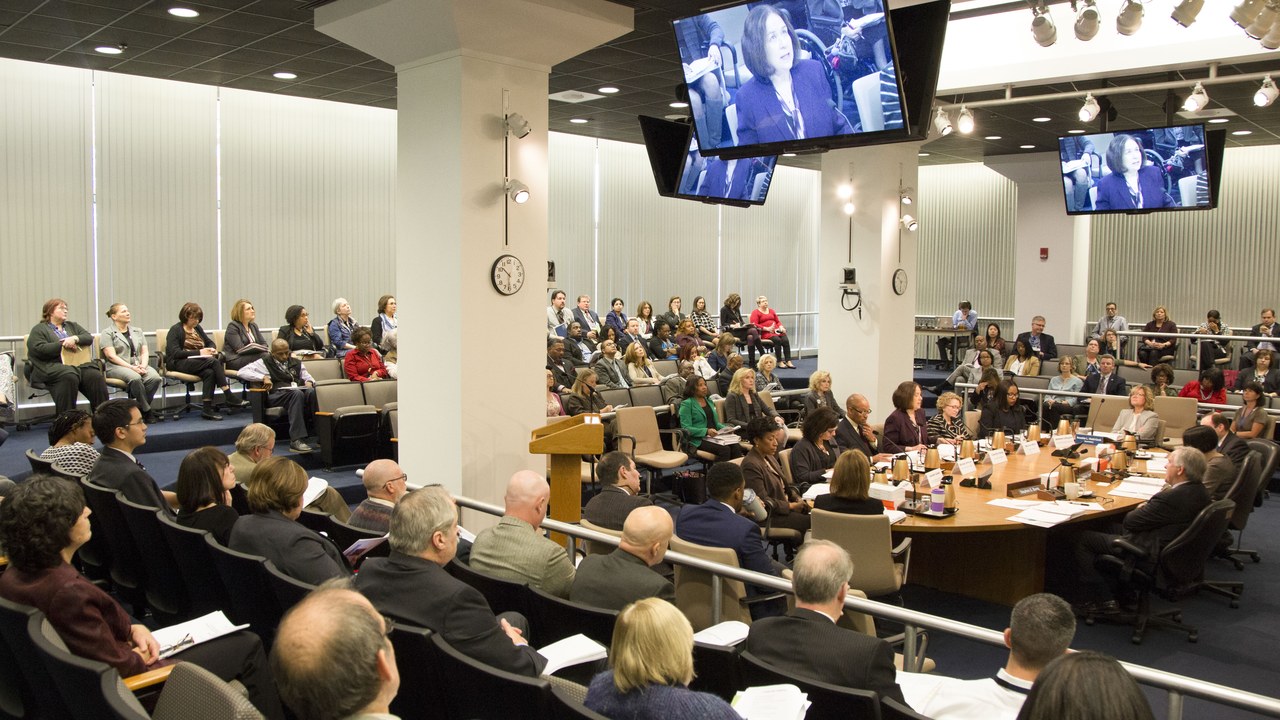
Lely will pay $65,000 after the EEOC found a worker was denied a raise because of sex
A denied raise is carrying a $65,000 consequence for agricultural-technology company Lely North America. The Equal Employment Opportunity Commission says its investigation found that a former employee was denied a wage increase because of sex and later faced age-based harassment and constructive discharge. The matter ended through a conciliation agreement rather than a court judgment.…