
Category: Jobs & Wages
-

About 1.9 million Americans have been out of work for 27 weeks or longer
Roughly 1.9 million people in the United States had been looking for work for at least 27 weeks when the government took its August measurement, a share of the unemployed that has held stubbornly high even as hiring itself picked back up. The figure comes from the Bureau of Labor Statistics’ monthly Employment Situation report,…
-

Real hourly pay bought less in August than it did a year earlier
An hour of work in August 2026 bought slightly less than an hour of work in August 2025. Nominal pay rose over those twelve months, and prices rose faster, so the federal government’s inflation-adjusted measure of hourly pay went backwards. The one thing that kept weekly paychecks ahead of prices was not a raise at…
-

Six states have now set a 2027 minimum wage, and Rhode Island’s reaches $17.00
Six states have now published an official minimum wage rate for January 1, 2027, using six different inflation formulas and six different announcement dates spread between mid-August and mid-September 2026. Rhode Island’s rate, set directly in state statute rather than tied to an index, rises to $17.00 an hour. The other five range from California’s…
-

Federal civilian workers get no raise in January while troops get 5 to 7 percent
Two numbers landed in the same letter this year, and they move in opposite directions. Civilian federal employees will earn the same base salary in 2027 that they earn now. Service members, by contrast, are getting a raise that runs as high as 7 percent, depending on rank. Both figures came from the same three-page…
-

A Trump executive order directs extra scrutiny of visa petitions that could cost American jobs
A presidential order signed September 18 adds a new screening step to the H-1B visa process, directing three federal agencies to weigh a company’s recent layoffs before approving its next visa petition. The move rides alongside a companion proclamation extending a $100,000 fee on most new H-1B hires through September 2027. For a household whose…
-

Weekly pay only held up because the average workweek got longer
Real average weekly earnings for the typical American worker rose again in August, at least after inflation. The Bureau of Labor Statistics reported the gain — 0.2 percent for the month, 0.3 percent over the year — on September 11, 2026, in its Real Earnings release covering August 2026 data. That headline reads like proof…
-

One in four unemployed Americans has now been out of work more than six months
The latest federal jobs data shows the longest-lasting bout of unemployment in years is becoming more common, not less. Nearly 1.9 million Americans have been searching for work for more than six months, long enough to exhaust most state unemployment checks and start eating into retirement savings or credit-card limits. For households living paycheck to…
-

Mandatory tips and automatic service charges do not count toward the new tip deduction
Servers, bartenders and other tipped workers now have a firm answer on what does and doesn’t count toward the new federal tip deduction: an automatic service charge a restaurant adds to the bill, with no way for the customer to refuse it, is not a qualified tip, even after the money reaches the staff who…
-

A new line on the 2026 W-4 lets overtime workers cut withholding now instead of waiting for the refund
A line on the federal withholding form used by millions of paycheck workers quietly picked up a new function for 2026. Overtime pay already carries a federal income tax deduction created by last year’s tax law, but claiming it used to mean waiting for a refund the following spring regardless of how the money was…
-
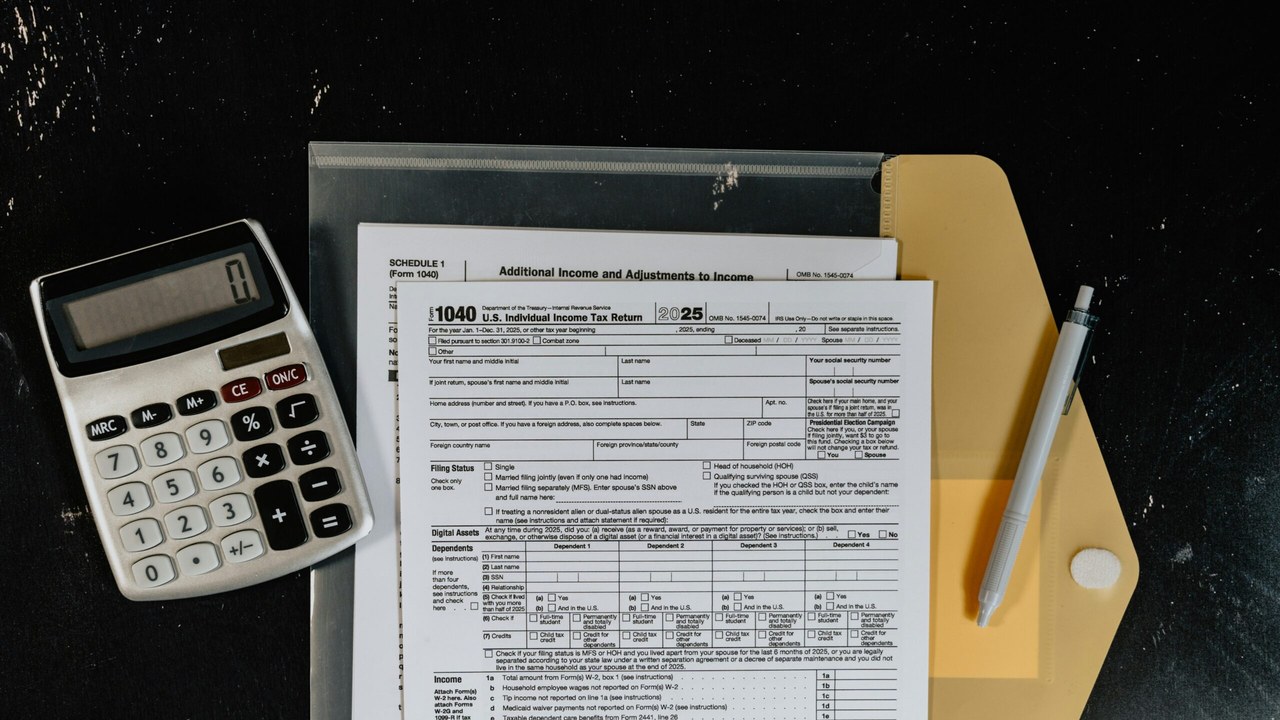
Overtime must appear on the 2026 W-2 in box 12 under code TT to be deductible
A single two-letter code sitting in box 12 of a 2026 Form W-2 now decides whether a household’s overtime pay carries a federal tax deduction at all. Under new IRS guidance, the amount an employer types next to code TT is the only figure the tax code will recognize for the qualified overtime deduction that…