
Category: Groceries & Gas
-

A proclamation President Trump signed in September bars certain Canadian dairy products from entering the country
An import ban on certain Canadian dairy products has been in force since September 29, replacing a 50 percent additional duty on the same goods. President Trump signed the measure, Proclamation 11062, on September 8, and the Federal Register published it September 14. It bans the goods outright rather than taxing them. What the proclamation…
-

Wyoming blocks sweetened sodas from SNAP on February 1, Kansas on February 15
Wyoming and Kansas have both won federal approval to stop SNAP shoppers from using benefits on certain drinks and sweets, and the start dates are close together. Wyoming’s restriction on sweetened, carbonated beverages is set for February 1, 2027. Kansas’s ban on candy and soft drinks follows on February 15, 2027. Both dates are targets…
-
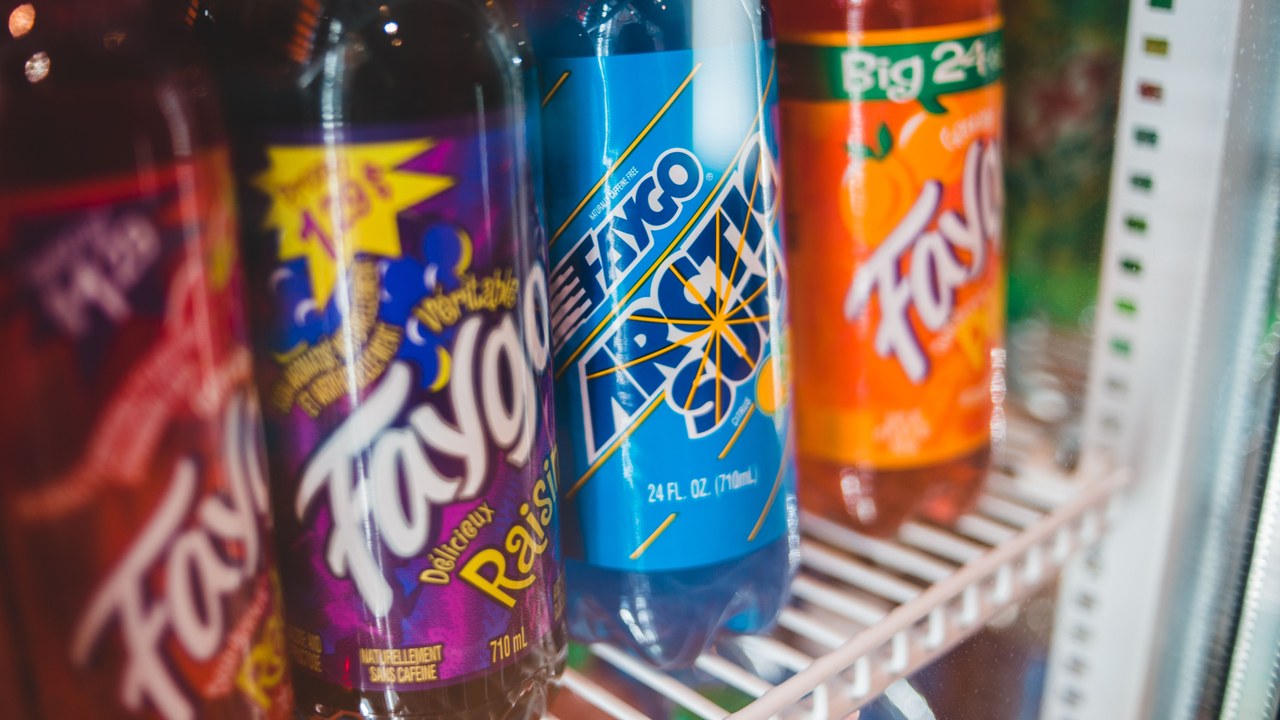
Virginia’s SNAP ban on sweetened beverages starts November 1 after an earlier delay
Virginia’s ban on using SNAP benefits to buy sweetened beverages is listed to start on November 1, 2026, according to the target implementation date in USDA’s state-by-state waiver table. The date follows one documented delay: in February, the U.S. Department of Agriculture approved moving the start from April 1 to October 1, 2026. From April…
-
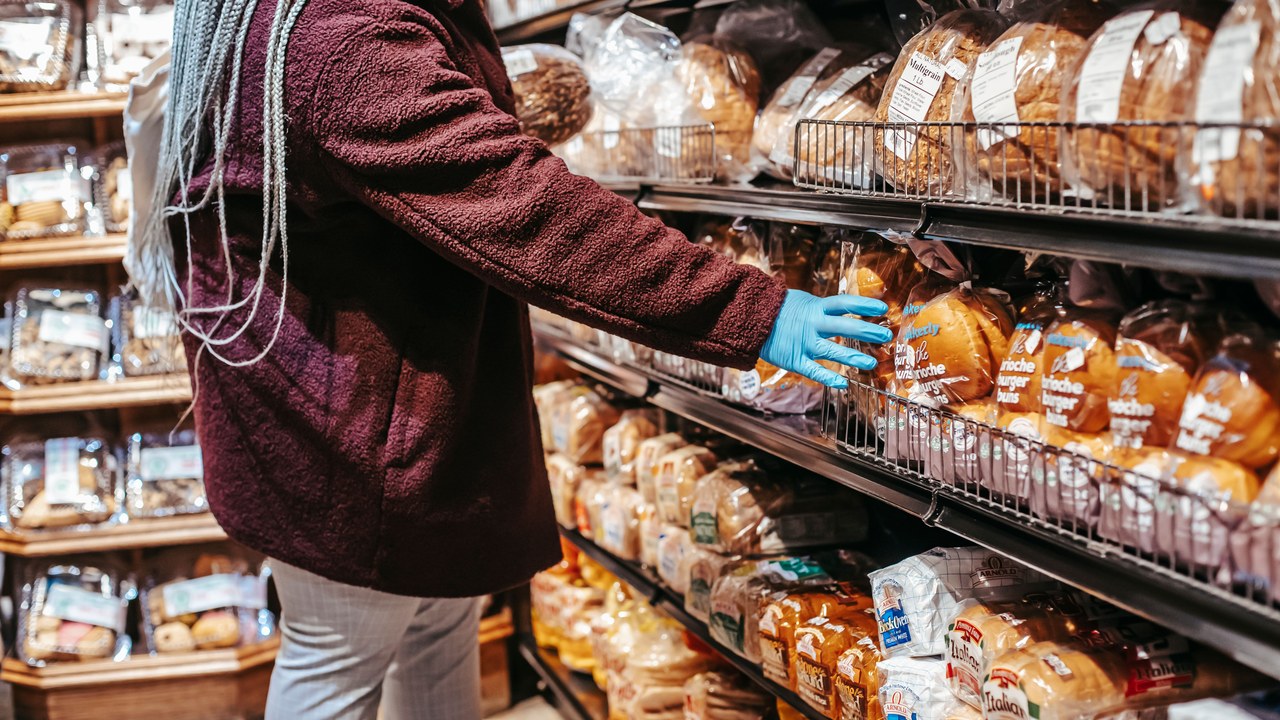
Nature’s Own Hawaiian Bread buyers in five states can get full refunds
Anyone who bought Nature’s Own Hawaiian Bread in Arkansas, Louisiana, New Mexico, Oklahoma or Texas can take it back for a full refund. Flowers Foods, the baker, recalled the bread on Oct. 2 because some packages do not list milk as an ingredient. The FDA posted the company’s recall notice on Oct. 5. The two…
-
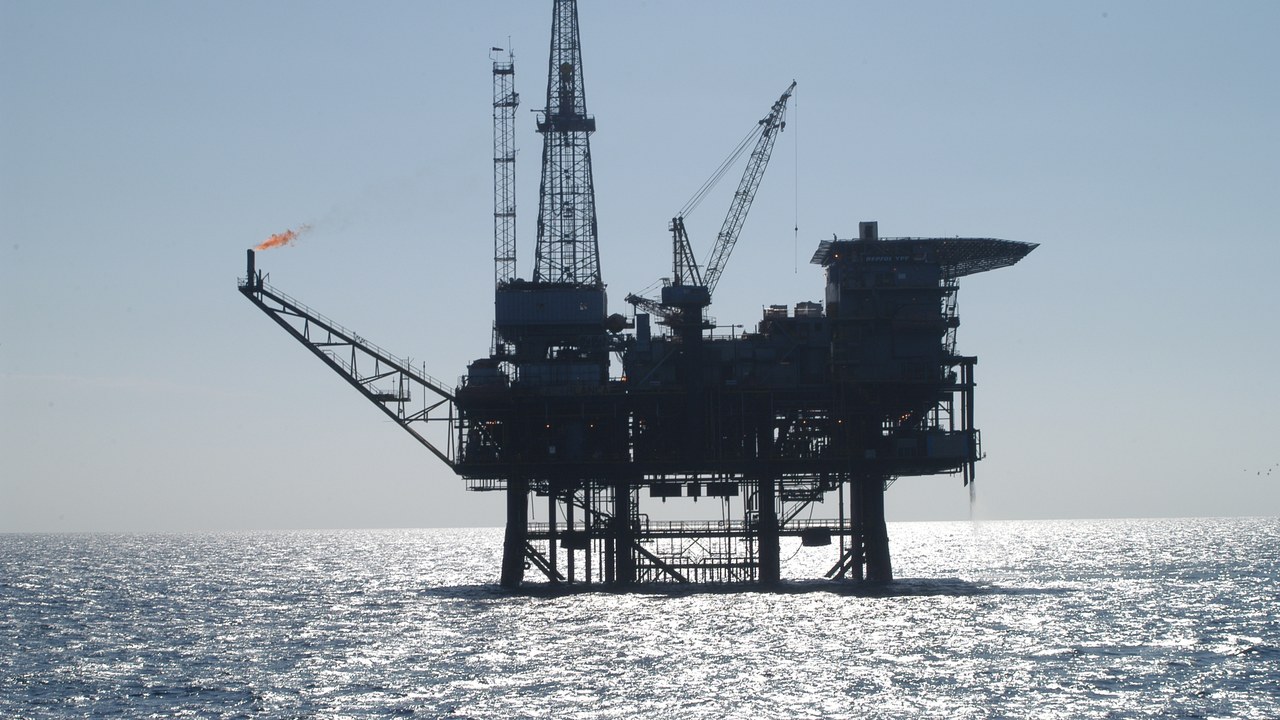
Hurricane Isaias shut in about 1.3 million barrels a day of Gulf oil production as crews evacuated 130 platforms and rigs, the Energy Department says
The first hurricane of the 2026 Atlantic season has emptied a large part of the Gulf of Mexico’s oil patch. As of Oct. 8, about 1.3 million barrels a day of crude production were shut in and crews had been pulled off 130 production platforms and rigs, according to the U.S. Energy Information Administration, the…
-
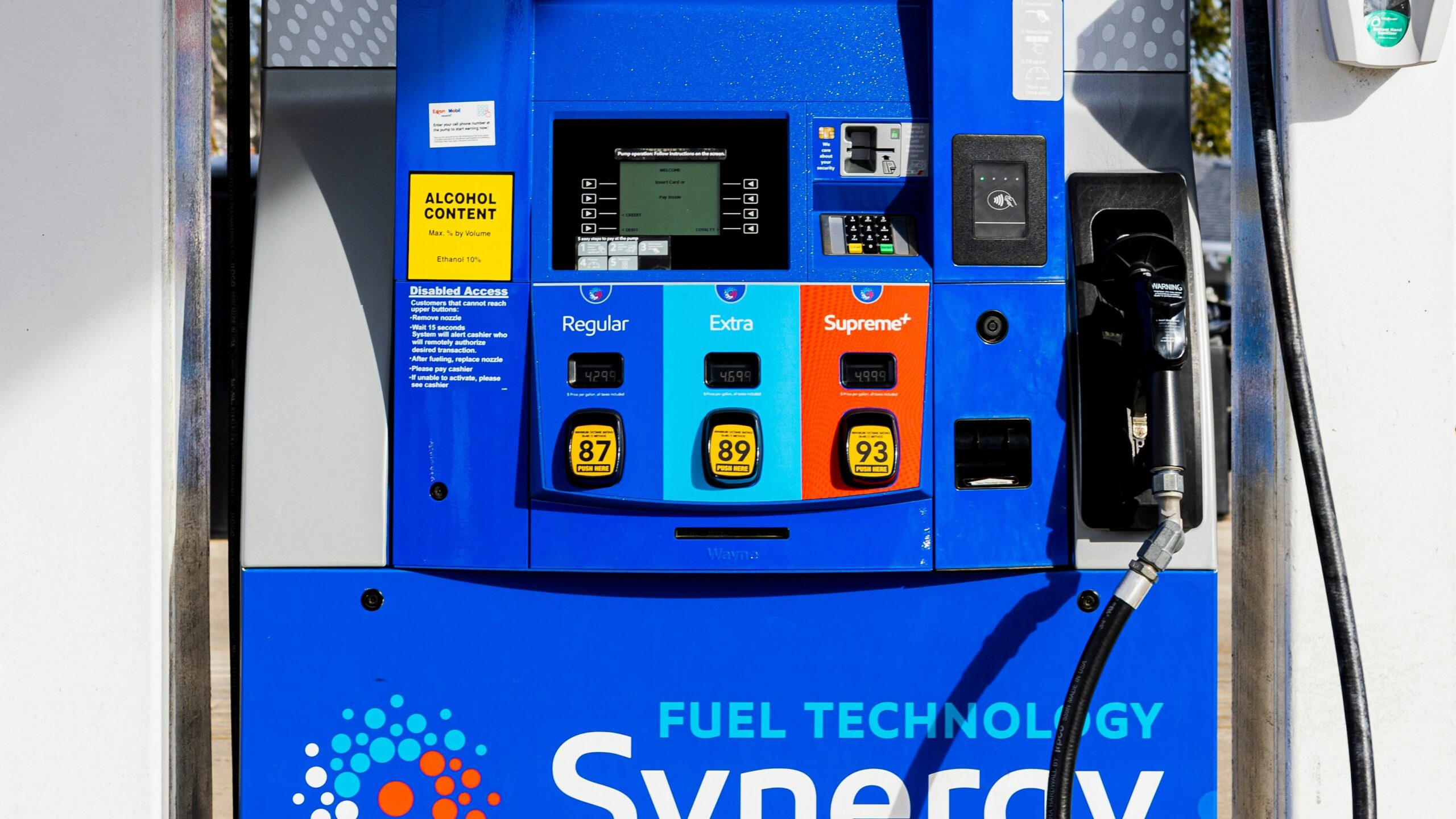
The Energy Department expects diesel to average $4.49 a gallon in 2027
Diesel is not expected to stay at $6.28 a gallon forever. The Energy Department’s October outlook has retail diesel averaging $4.49 a gallon in 2027, after an average of $5.19 for 2026. The text of the Short-Term Energy Outlook, released Oct. 6 by the department’s Energy Information Administration, rounds the 2027 figure to “about $4.50.”…
-
Energy Department now sees Brent crude averaging $105 a barrel this quarter
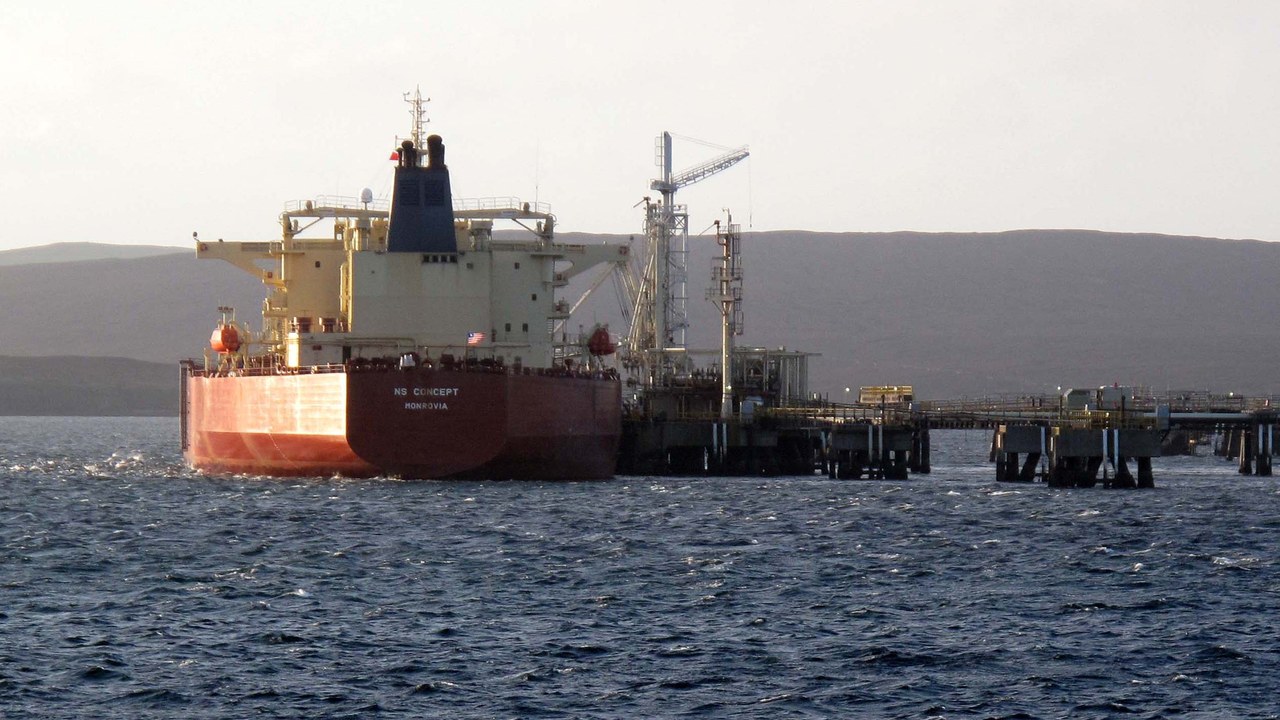
The government’s oil forecasters raised their number by $14 a barrel. In its Short-Term Energy Outlook, released Oct. 6, the U.S. Energy Information Administration, part of the Energy Department, expects Brent crude to average $105 a barrel in the fourth quarter of 2026. That is $14 higher than last month’s outlook, which by that math…
-
A Trump ban on many packaged Canadian beers, wines and spirits began Sept. 29
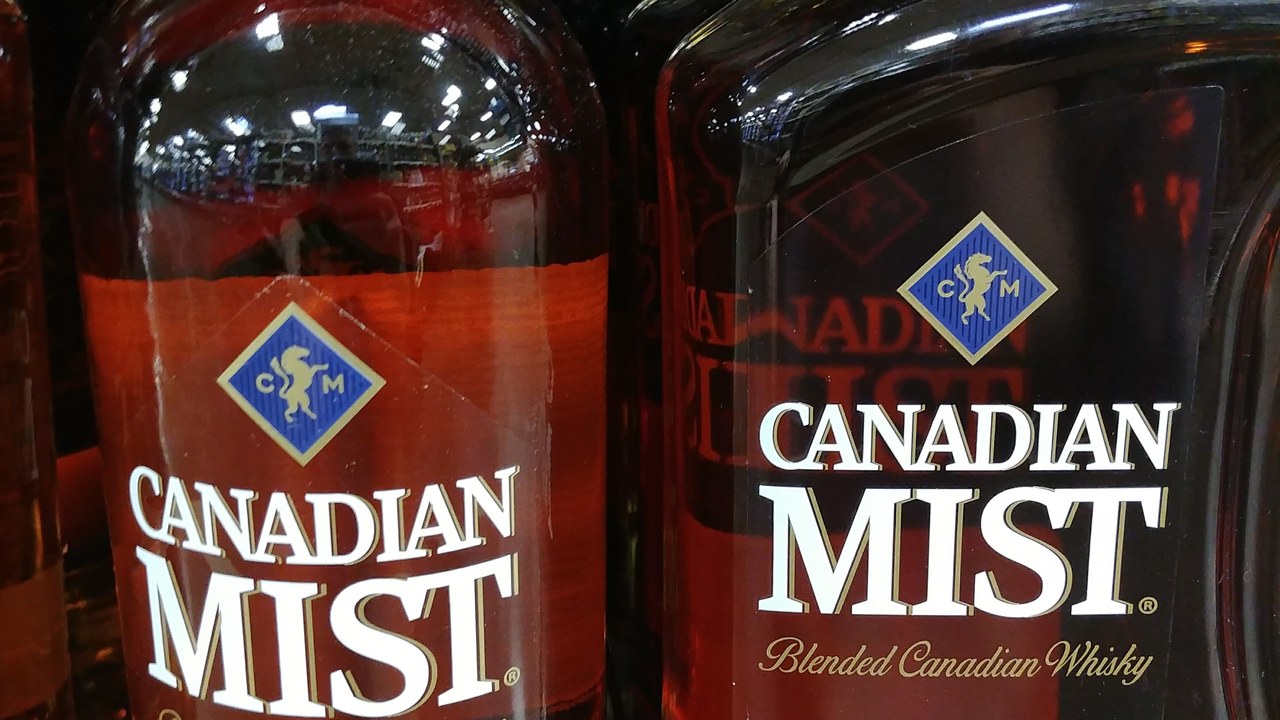
Many packaged Canadian beers, wines and spirits can no longer be brought into the United States. A ban that President Trump signed on Sept. 8, 2026, began at 12:01 a.m. Eastern time on Sept. 29 and covers many packaged Canadian beers, wines and spirits. Goods that entered before that moment are not caught by the…
-
Regular gas averaged $4.37 a gallon nationwide on Oct. 9 and diesel $6.28, according to AAA’s daily survey
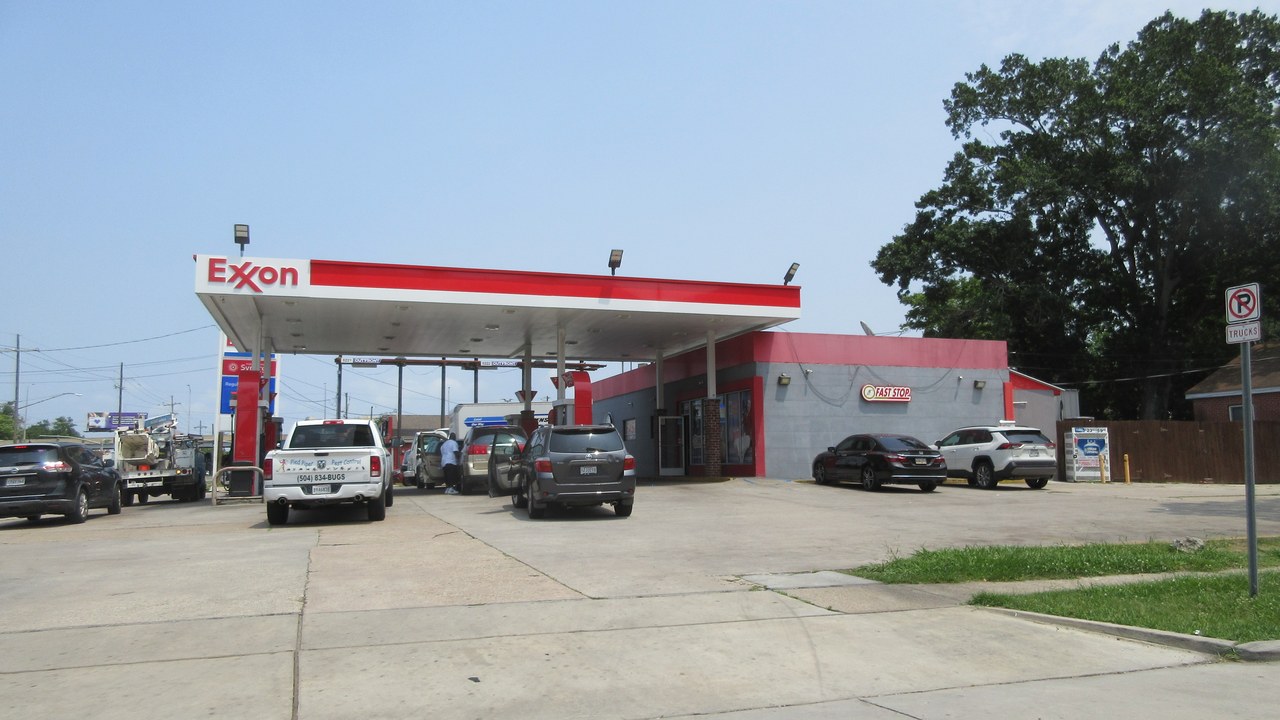
Regular gasoline averaged $4.37 a gallon across the country on Friday, Oct. 9, and diesel averaged $6.28, according to AAA’s daily fuel survey. The exact readings were $4.3718 for regular and $6.2785 for diesel. Both are far above where they stood a year ago. The daily readings in one place AAA lists its national averages…
-
A coalition of 21 states and D.C. sued to overturn the Trump administration’s fuel economy rollback, saying drivers would lose nearly $220 billion in fuel savings
Attorneys general from 21 states and the District of Columbia went to federal court on Oct. 2 to try to overturn the Trump administration’s rollback of fuel economy standards for new cars and light trucks. They say drivers would lose nearly $220 billion in fuel savings under the weaker rules. The suit was filed in…