
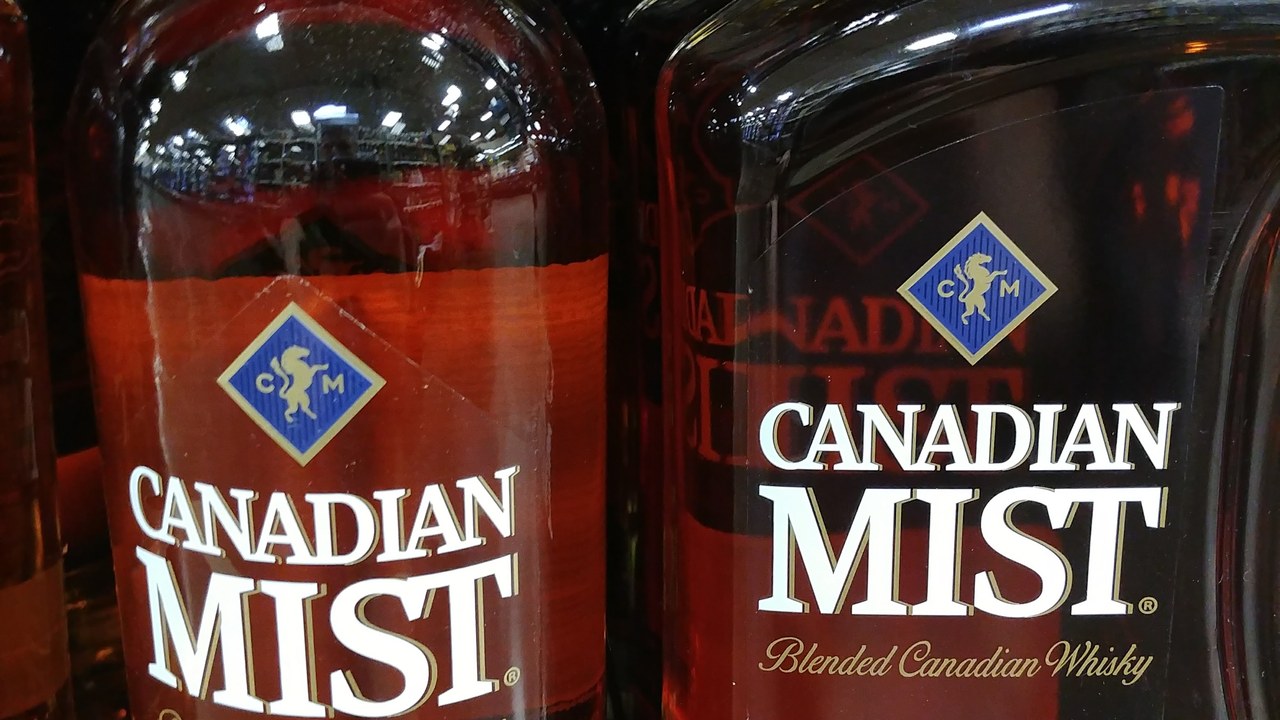
Many packaged Canadian beers, wines and spirits can no longer be brought into the United States. A ban that President Trump signed on Sept. 8, 2026, began at 12:01 a.m. Eastern time on Sept. 29 and covers many packaged Canadian beers, wines and spirits. Goods that entered before that moment are not caught by the new rule.
What Proclamation 11061 bans
The order is Proclamation 11061, titled “Excluding Certain Canadian Alcoholic Beverages From Importation Into the United States,” and it is published in the Federal Register. It lists products by customs category. The list includes beer made from malt, and grape wines of several kinds, along with vermouth and other fermented drinks such as cider and sake. It also covers brandy, whiskies of every type, rum, gin, vodka, liqueurs, bitters, tequila, mezcal and other spirits.
Many lines are limited by container size or value per liter. The product lines marked “Packaged” cover only drinks in bottles, cans, boxes, kegs or similar containers sold direct to consumers. BNN Bloomberg reported that bottles over four liters are exempt, though few of those sell.
The ban applies to goods imported on or after the effective time. Products that came in before Sept. 29 but had not yet been entered for consumption, or withdrawn from a warehouse, stay subject to the 50 percent duty set under an earlier order, Proclamation 11046.
Shoppers who pick up Canadian whisky, beer or wine at a liquor store are the ones the ban reaches first, along with the bars and restaurants that stock them. New shipments of covered products cannot enter the country as of Sept. 29, though bottles that arrived earlier are outside the rule. The sections below show exactly which drinks are covered and which are not.
The 50 percent duties that came before this ban are the number that applies to Canadian goods that were imported earlier but not yet entered for consumption.
Get each new number in one short weekday email →
Why the ban came
The proclamation points to the trade fight over Canada’s treatment of American liquor. It says Canada backed out of a commitment on Aug. 21, 2026, and that a short suspension of the 50 percent duties lapsed on Aug. 22. It also cites a 50 percent levy that Saskatchewan announced on U.S. alcoholic beverages, effective Sept. 8. The order says Canada “maintained or increased the discriminations against the commerce of the United States,” which it says allows an exclusion under Section 338 of the Tariff Act of 1930.
The White House fact sheet of the same date says Section 338 “empowers the President to exclude products from entering the U.S. market.” It describes the alcohol and dairy measures as responses to Canada’s retaliation.
The dairy order alongside it
A companion proclamation signed the same day bans certain Canadian dairy products, with the same Sept. 29 start. That order says Canada discriminates against U.S. cheeses of all types through its tariff-rate quota allocation measures. Dairy that entered before Sept. 29 and has not been entered for consumption stays at the 50 percent duty set under Proclamation 11047.
The fact sheet adds that on Sept. 15 all-terrain vehicles and more dairy products were added to the 50 percent Section 338 duties, while rock salt and cement were taken off.
Who feels it first
Most of the pressure lands on Canadian producers. Craig Johnston, chief economist at Farm Credit Canada, told BNN Bloomberg that “it’s really distilleries which have significant exposure to the U.S. market,” and that distilleries ship more than half of their product south. Cal Bricker of Spirits Canada called the ban “more or less a ban on Canadian whiskey.” Moosehead Breweries, based in Saint John, New Brunswick, sends about 15 percent of its beverages to the United States. Beer and wine makers are expected to fare better, since much of their output stays in Canada.
American distillers have been on the other side of the dispute. Chris Swonger, president and CEO of the Distilled Spirits Council of the United States, said in a statement reported by The Daily Pour that “American distillers have shouldered the brunt of this trade dispute.” He urged both governments to reach a negotiated solution that puts U.S. spirits back on shelves in Canada. Provincial removals of American spirits from Canadian stores began in March 2025.
The council gave a U.S. figure for context: American spirits exports to Canada were $221 million in 2024, when Canada was the second-largest market for U.S. spirits.
Shelves and prices in the United States
None of the documents says what happens to Canadian bottles already in American stores. The ban is written around the date of import, so it is not a rule about what a store may sell. They also say nothing about prices.
That leaves shoppers with a fairly narrow question. Canadian products that arrived before Sept. 29 are out of reach of the ban, and new shipments are not allowed in. How long existing stock lasts depends on how much each store and distributor brought in beforehand.
Watching the shelf
For anyone who buys a favorite Canadian rye, the practical signal is the shelf itself. A bare space or a sale on remaining bottles points to a store running down stock. Asking the store or distributor when the last shipment came in is the most direct way to find out.
The ban has a political path as well. Spirits groups on both sides of the border have asked for talks, and the proclamation itself ties the exclusion to Canada’s treatment of U.S. alcohol. Any change to the list or the start date would show up as a new proclamation or a Federal Register notice.
The Federal Register text of Proclamation 11061 holds the full list of covered products, container sizes and values, and it is the document to check for a particular bottle.
More Financial Reading
- 24 Ways to Stretch a $2,087 Social Security Check
- 17 Places to Find Your Share of the $4.25 Billion States Give Back
- 22 Ways Retirees Can Raise $1,000 Fast Without a Job
This article was produced with AI assistance and edited for accuracy against the sources linked above.


