
Category: Social Security
-

Social Security takes back SSI overpayments at 10% of the monthly payment by default, a fifth of the 50% it withholds from regular benefits
A Social Security overpayment notice removes money from a monthly check automatically once its response window closes, and how much disappears depends on which benefit pays it. The Social Security Administration withholds 10% of the monthly payment by default when the debt sits on a Supplemental Security Income record. Regular Social Security retirement, survivor and…
-

Claiming a spousal benefit at 62 cuts it 35% for spouses born after 1959
Two people can file for the same size spousal Social Security benefit at the same age and receive different percentages of it, depending only on the year they were born. For anyone born in 1960 or later, whose full retirement age is 67, claiming a spousal benefit at the earliest age, 62, cuts the payment…
-

A widow or widower who claims survivor benefits at 60 starts at 71.5% of the late spouse’s Social Security check
Survivor benefits under Social Security are not paid at a single flat rate; the percentage depends entirely on how old a widow or widower is the day they file. A surviving spouse who claims at the earliest possible age, 60, receives 71.5% of the amount the deceased spouse was entitled to, and that percentage climbs…
-

An SSI recipient earning $317 a month still gets an $878 federal check because SSI ignores the first $65 and half the rest
A Supplemental Security Income recipient who earns $317 in a month does not lose $317 from their federal check. Under the formula the Social Security Administration uses to count earned income, the first $65 of wages in a month is ignored entirely, and only half of whatever is left above that counts against the benefit.…
-

Social Security’s 2027 raise could add about $68 a month to the average retirement check, a seniors group estimates
The Senior Citizens League, a nonprofit that tracks federal retiree benefits, estimates that Social Security’s 2027 cost-of-living adjustment will land at 3.5%, which would add about $68 to an average $1,940.08 monthly retirement check. The number is a projection, not an announcement: the Social Security Administration calculates and reveals the real percentage on October 14,…
-

A child of a worker who dies can collect 75% of the parent’s Social Security benefit
A flat percentage governs what a deceased worker’s child can collect from Social Security, unlike the sliding scale that applies to a surviving spouse. Social Security states that children generally get 75 percent of the parent’s benefit, a figure that does not shift based on the child’s age at the time a claim is filed…
-
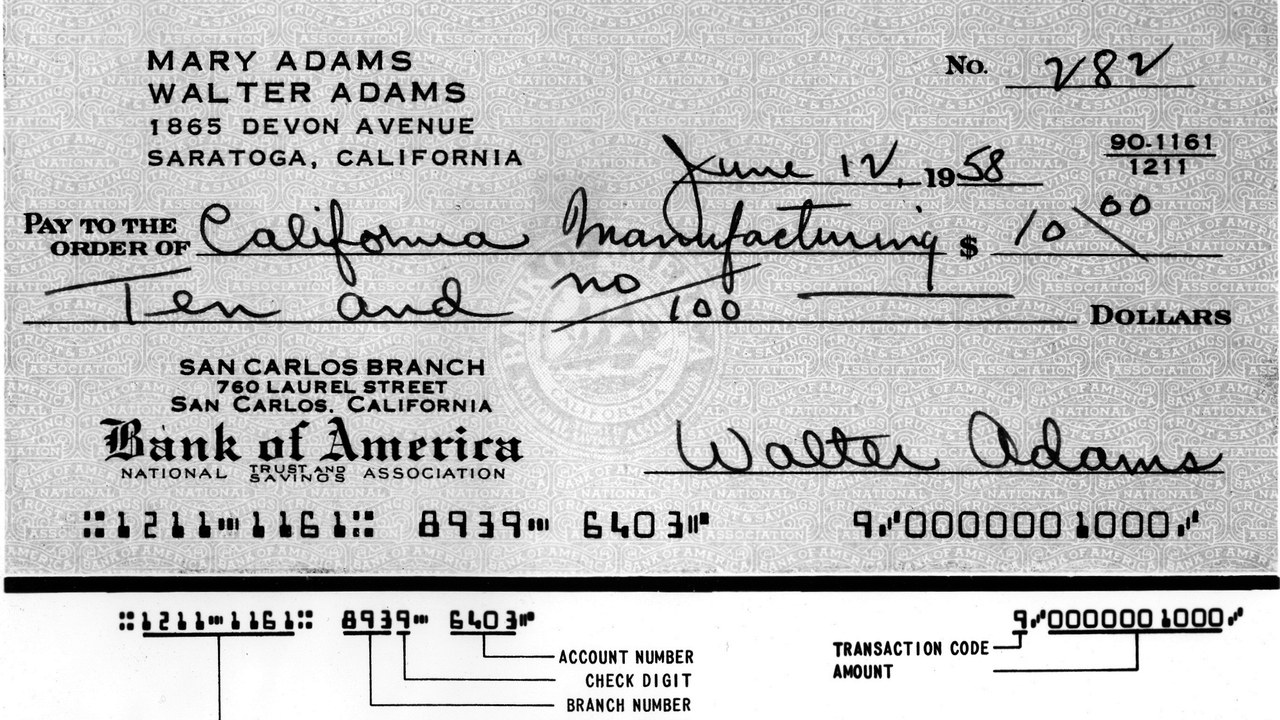
Social Security plans to move every beneficiary off paper checks this year, saying paper is 16 times likelier to be lost or stolen
Sixteen times more likely to be lost, stolen, altered or returned undeliverable: that is how the Social Security Administration itself describes the risk of continuing to mail a paper benefit check rather than pay it electronically. The agency has set a deadline for closing that gap entirely, aiming to move every remaining beneficiary onto direct…
-

A spouse can get up to half of the benefit a worker would collect at full retirement age, Social Security says
Marriage alone does not automatically hand a spouse a Social Security payment; Social Security requires at least a year of marriage plus one more condition before the up-to-half figure even applies. Once that bar is cleared, the payment tops out at half of what the worker would collect at full retirement age, calculated as a…
-

Social Security mishandled 63% of overpayments in which the beneficiary had asked for an explanation, auditors found
A watchdog inside the Social Security Administration set out to answer a narrow question: when a beneficiary who owed an overpayment asked the agency to explain it, did Social Security handle that request the way its own policy requires. The Office of the Inspector General’s answer, published September 1, was that the agency got it…
-

Ex-spouses married at least 10 years may collect on a former partner’s Social Security record, and those payments don’t count toward the family maximum
A divorced spouse whose marriage lasted at least 10 years can qualify for a Social Security payment based on a former spouse’s earnings record, separate from whatever that former spouse’s current household receives. Social Security treats an ex-spouse’s payment as its own category: it does not shrink because the worker remarried, and it does not…