
Category: Social Security
-

Widows and widowers who remarry before 60, or before 50 if disabled, usually lose Social Security survivor benefits, while remarrying later does not block them
Social Security draws one line through a survivor’s second marriage, and it sits at age 60. A widow or widower who remarries before then usually loses the surviving-spouse benefit, while one who waits until 60 or later does not, according to the agency’s April 2026 survivors booklet. For a survivor with a disability, the line…
-

Social Security takes public comments until Nov. 23 on 11 information collections, including the adult disability report filed by more than 1.7 million people a year
Anyone can tell Social Security what is wrong with its paperwork until November 23. A notice the agency published in the Federal Register on September 24 opens a public comment period on eleven information collections, a category that includes the Disability Report – Adult, Form SSA-3368, which the notice puts at 1,745,348 respondents a year.…
-

Social Security sent policy-compliant notices for just 54 percent of the overpayments reviewed, and many omitted appeal and waiver rights, its inspector general found
Of 126 Social Security overpayments that auditors pulled for review, 68 notices followed the agency’s own rules and 58 did not. That is the 54 percent and 46 percent split in a September 1 report from the Social Security Administration’s Office of the Inspector General, which looked at the letters SSA sends when it says…
-

Social Security’s revised cardiovascular disability listings take effect Oct. 30 and will apply to claims still pending and to continuing disability reviews
Social Security has a date for a new set of heart-disease rules: October 30, 2026. From that day, the agency will judge disability claims for cardiovascular conditions against revised medical listings, including claims that were filed long before and are still waiting for a decision. The rule, “Revised Medical Criteria for Evaluating Cardiovascular Disorders,” was…
-
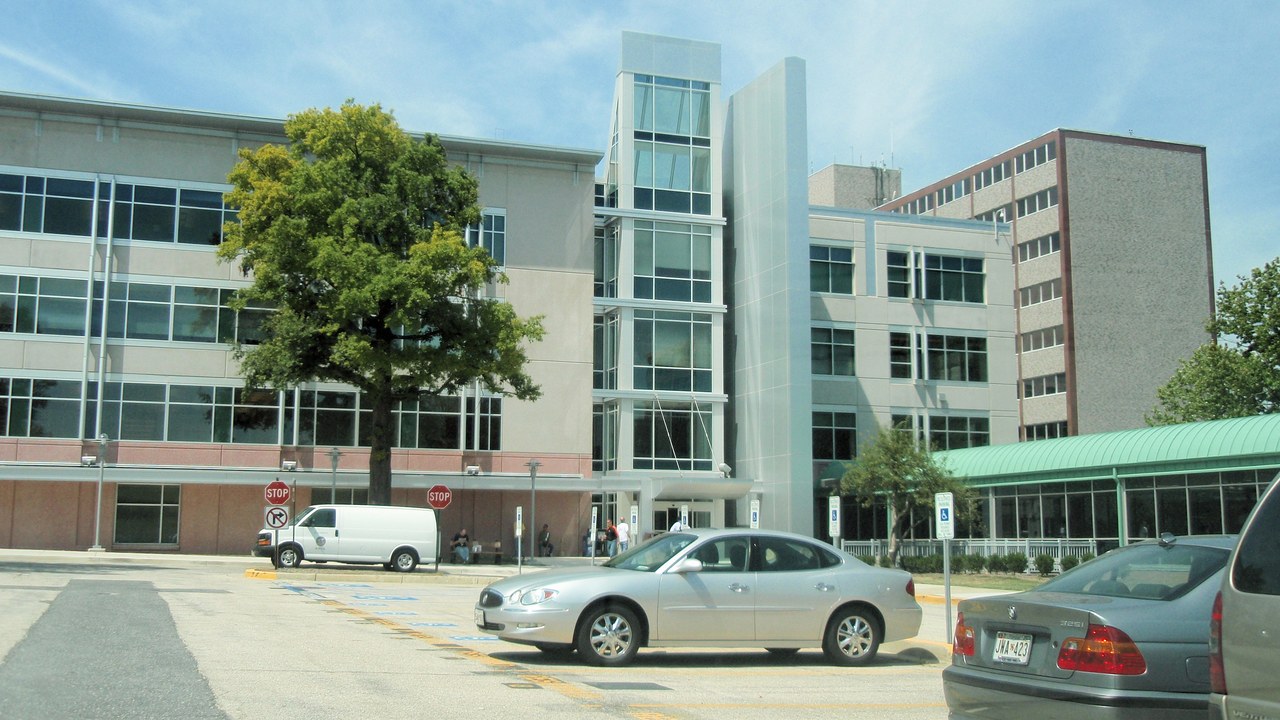
Social Security added 14 conditions to its Compassionate Allowances fast-track list on Oct. 1, bringing the total to 314 for gravely ill disability applicants
Aicardi syndrome, Lafora disease and primary cardiac sarcoma are among 14 conditions the Social Security Administration put on its Compassionate Allowances list as of October 1. The additions bring the list to 314 conditions, according to the agency’s announcement, “Social Security Accelerates Access For Individuals With Severe Disabilities.” The announcement says “over 1.2 million people…
-

Social Security’s October notice tells SSI recipients to report wages by the 6th of the month after payday and other changes by the 10th
A paycheck that lands on October 15 has to be reported to Social Security by November 6. A change that happens anywhere in October, such as a move or a new roommate, has until November 10. Those two dates come from the Social Security Administration’s October notice to people on Supplemental Security Income, and they…
-

Supplemental Security Income lets a recipient keep $100,000 in an ABLE account
Two numbers sit side by side in the Social Security Administration’s rules for Supplemental Security Income, and they look like they contradict each other. A person on SSI can hold no more than $2,000 in countable resources. Yet the same agency says up to $100,000 in an ABLE account does not count at all. Both…
-

Supplemental Security Income does not reach Puerto Rico, Guam or the Virgin Islands
Federal law gives Supplemental Security Income a map, and Puerto Rico, Guam and the U.S. Virgin Islands are not on it. A resident of San Juan, Hagåtña or Charlotte Amalie who is aged, blind or disabled with almost no income cannot draw SSI, and a person who receives it on the mainland can lose it…
-

In a state that adds its own money, a working recipient’s $878 Supplemental Security Income check becomes $893
Start with a monthly paycheck of $317 and a federal benefit rate of $994, and the Social Security Administration’s own worked example lands on a federal Supplemental Security Income payment of $878. In a state that tops that up with a $15 supplement for a person living alone, the total becomes $893. Those numbers come…
-

In SSA’s worked example, a $15 state supplement lifts a $714 Supplemental Security Income payment to $729 for someone living alone
The Social Security Administration publishes the arithmetic behind Supplemental Security Income in plain subtraction, and one worked example shows how a small state payment fits on top. In SSA’s illustration, a person living alone with a $300 Social Security benefit has a federal SSI payment of $714. A $15 state supplement for an individual living…