
Category: Government Programs
-

The White House says 26 drugmakers have signed its Medicaid pricing deal, covering most of the branded drug market
The White House says 26 drug manufacturers have now signed agreements to lower what state Medicaid programs pay for brand-name drugs. It says the companies cover most of the branded drug market. The announcement came in a fact sheet dated September 18, 2026. It is a claim by the administration, and the fact sheet does…
-

SSI stops for up to 36 months when a recipient gives away or under-sells a house or car, with the penalty months set by the gift’s value and the full federal rate
Giving away a house or a car, or selling one for far less than it is worth, can cost a Supplemental Security Income recipient their SSI for as long as three years. Social Security’s rulebook says the penalty can run up to 36 months, and the length depends on how much value was handed over.…
-

The White House says nearly a million people in 30 states who paid the full price for Obamacare coverage are getting $500 refund checks beginning this month
Nearly 1 million people who bought Obamacare coverage without any premium help are due $500 each, and the first checks are scheduled to start going out this month. The White House announced the refunds in a September fact sheet, and the IRS repeated the $500 figure in an October 14 news release. The money is…
-

Food stamp applicants have 90 days to request a hearing after a decision
People who disagree with a decision on their food stamp case, known formally as the Supplemental Nutrition Assistance Program or SNAP, have 90 days to ask for a fair hearing. The clock starts on the day the local SNAP office made the decision, not on the day the application went in. The rule is on…
-

A food stamp household that qualifies for expedited service must get its benefits within seven days
A household that qualifies for expedited service in the Supplemental Nutrition Assistance Program, long known as food stamps, must have its benefits within seven days of applying. The regular deadline is 30 days. The faster track is meant for households that are nearly out of money and cannot wait a month for groceries. USDA’s Food…
-

Nine groups are exempt from Medicaid’s new 80-hour work rule
Nine groups of people are excluded from the new Medicaid work requirement, which asks certain adults to show 80 hours a month of work, volunteering or school. The Centers for Medicare & Medicaid Services lists them in its rule. Anyone in one of those groups does not have to log hours to keep coverage. States…
-
States will redetermine Medicaid for expansion adults every six months from January
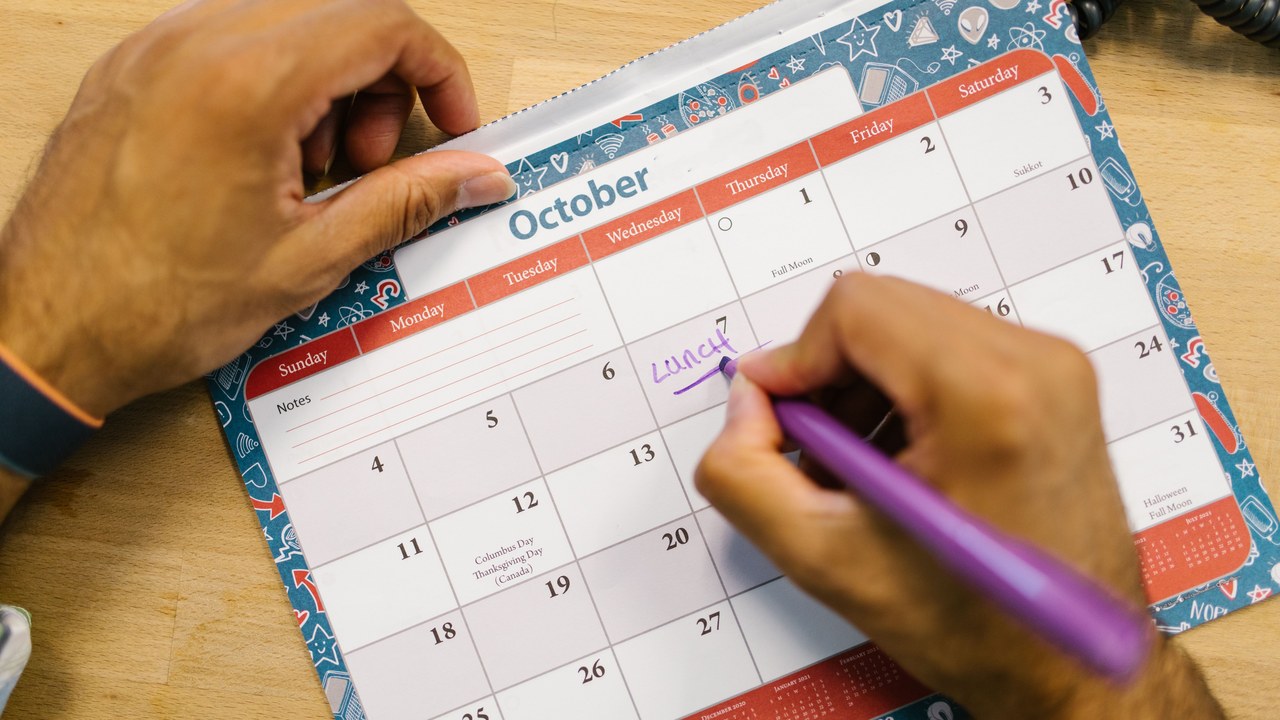
Low-income adults covered through Medicaid expansion are about to move from one renewal a year to two. Starting with renewals scheduled on or after January 1, 2027, states must redetermine Medicaid eligibility for the expansion adult group every six months instead of every twelve. The change comes from a federal law, not a state choice,…
-

A veteran who disputes a benefit debt within 30 days freezes collection
A veteran who gets a letter saying VA overpaid a benefit has 30 days from the day that first letter arrives to dispute the debt. A dispute filed inside the window stops collection until VA decides. The clock starts when the letter is received, not when the overpayment happened. VA lays out the rule on…
-

More than twenty VA authorities expire on December 11, including the agency’s power to collect hospital and nursing home copayments
Congress extended more than twenty Department of Veterans Affairs programs and powers only until December 11, 2026. The list includes the agency’s authority to collect copayments for hospital and nursing home care. Unless lawmakers pass another extension, those authorities lapse on that date. The extension is part of Public Law 119-103, the Continuing Appropriations and…
-
SNAP retailers other than specialty food stores must stock at least 28 staple food varieties by November 4 or be dropped from the program and barred from reapplying for six months
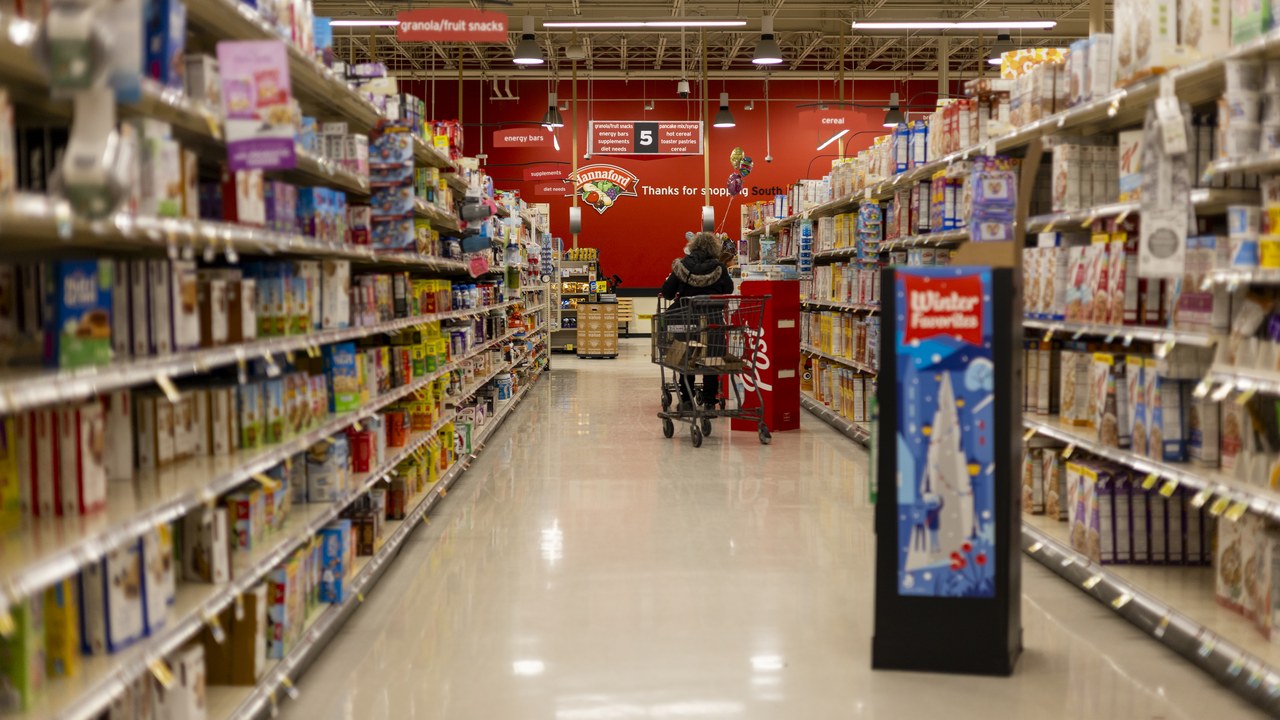
Stores that accept SNAP have until November 4, 2026 to meet a tougher stocking rule, or the U.S. Department of Agriculture will take them out of the program. The rule calls for at least seven varieties in each of four staple food categories, which adds up to 28. A store that falls short can no…