
Category: Government Programs
-

Medicaid renewals go from once a year to twice, starting January 1
A Medicaid renewal starts quietly, before any mail goes out. The state first tries to confirm eligibility from records it already holds, and only when that fails does it send a prepopulated form with a minimum of 30 days to return it. Nothing about that sequence is changing. What changes on January 1, 2027, is…
-

Medicaid will cap protected home equity at $1 million in 2028
One million dollars is the ceiling Congress has placed on the home equity a state may protect when it decides whether Medicaid will pay for a person’s nursing facility care. The figure takes hold on January 1, 2028. Above it, equity in an ordinary house stops being something any state has the discretion to shelter,…
-

Medicaid’s new work rule lands January 1, and a letter starts a 30-day clock
Three dates now sit between a federal rulebook and a Medicaid card. The Centers for Medicare & Medicaid Services issued its community engagement rule on June 1, 2026, and the regulations took effect on July 31, 2026. States must generally have the requirement running no later than January 1, 2027. After that, a single letter…
-
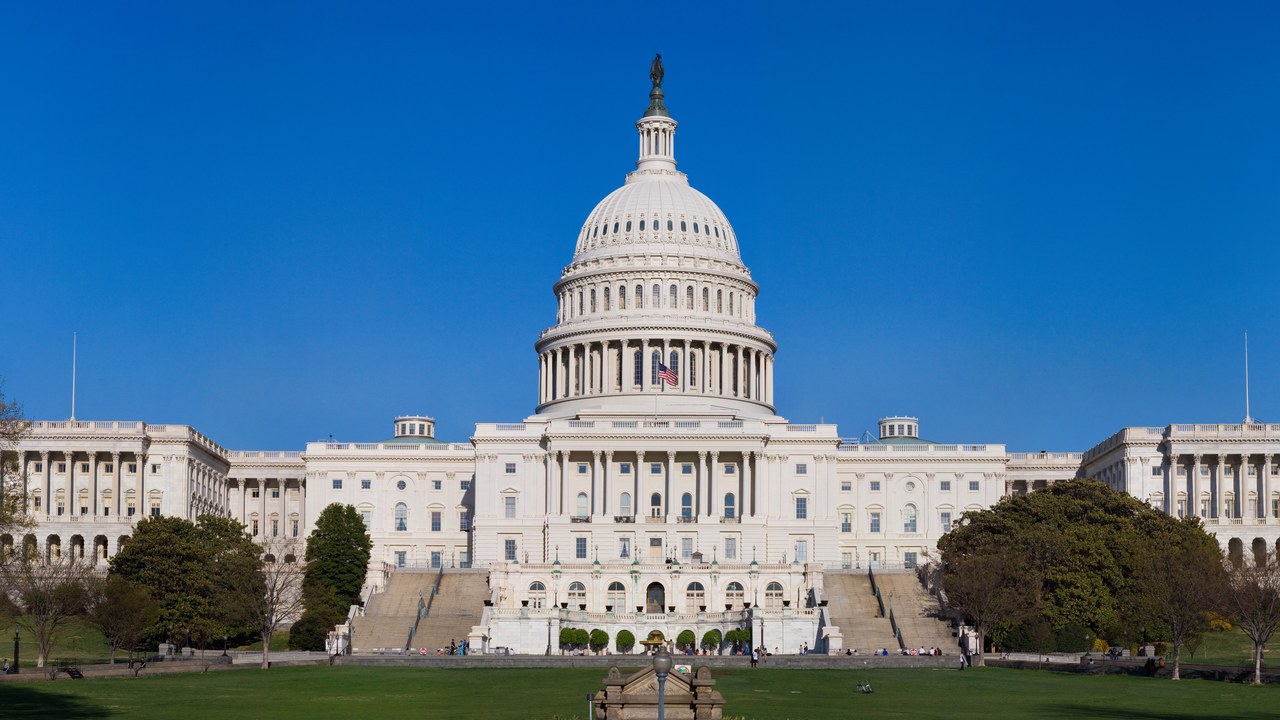
The bill to restore bigger ACA subsidies passed the House in January and has not moved in the Senate since February
The Senate has taken no action on H.R. 1834 since February 10, 2026, the day the bill was read a second time and placed on the legislative calendar under General Orders as Calendar No. 319. The House had passed it a month earlier, 230 to 196. More than six months later, that February entry is…
-

A new Medicaid rule makes adults 19 to 64 log 80 hours a month, and states must have it running by January 1
Medicaid has a new condition attached to it, and it is not a proposal. A federal interim final rule took effect this summer requiring certain adults to demonstrate 80 hours a month of work or an approved substitute to keep their coverage. States have until January 1 to have the machinery running, which is why…
-

Washington cuts its share of SNAP administration in half on October 1, leaving states to cover 75 percent
Nothing about who qualifies for food assistance changes this fall. What changes is who pays for the staff that processes the applications. Beginning with the federal fiscal year that starts October 1, Washington’s share of the cost of administering the Supplemental Nutrition Assistance Program drops from half to a quarter, and states absorb the rest.…
-

Medicaid’s retroactive coverage window drops to two months for people 65 and older on January 1
Medicaid has long carried a provision that assumes people do not apply for it at the moment they need it. Since 1972, coverage could reach back three months before the month a person applied, paying bills already incurred as long as the applicant would have qualified then. That backward-looking window is being cut, and the…
-

Trump’s promised $2,000 tariff dividend checks are still only a proposal with no funding path
The short answer for anyone waiting on a $2,000 check from tariff revenue is that there is no check coming right now. President Trump has repeatedly floated the idea of “tariff dividend” payments to Americans, but as of today no such payment is scheduled, funded, or written into law. A Supreme Court ruling earlier this…
-

A 2025 law requires many Medicaid adults to work or volunteer 80 hours a month, with states enforcing it by 2027
Millions of adults on Medicaid are about to face a requirement their coverage has never carried before. Starting soon, keeping your health insurance through Medicaid may depend on logging a set number of hours each month, and just as importantly, on proving it. For roughly 20 million people, a missed form could matter as much…
-

The new work rule for food stamps now reaches adults 55 to 64, and more than a million could lose their benefits
If you are somewhere between 55 and 64 and food stamps help you reach the end of the month, a rule that never used to apply to you now does. As of this spring, adults in that age range have to show they are working, training, or volunteering to keep their benefits beyond a few…
