
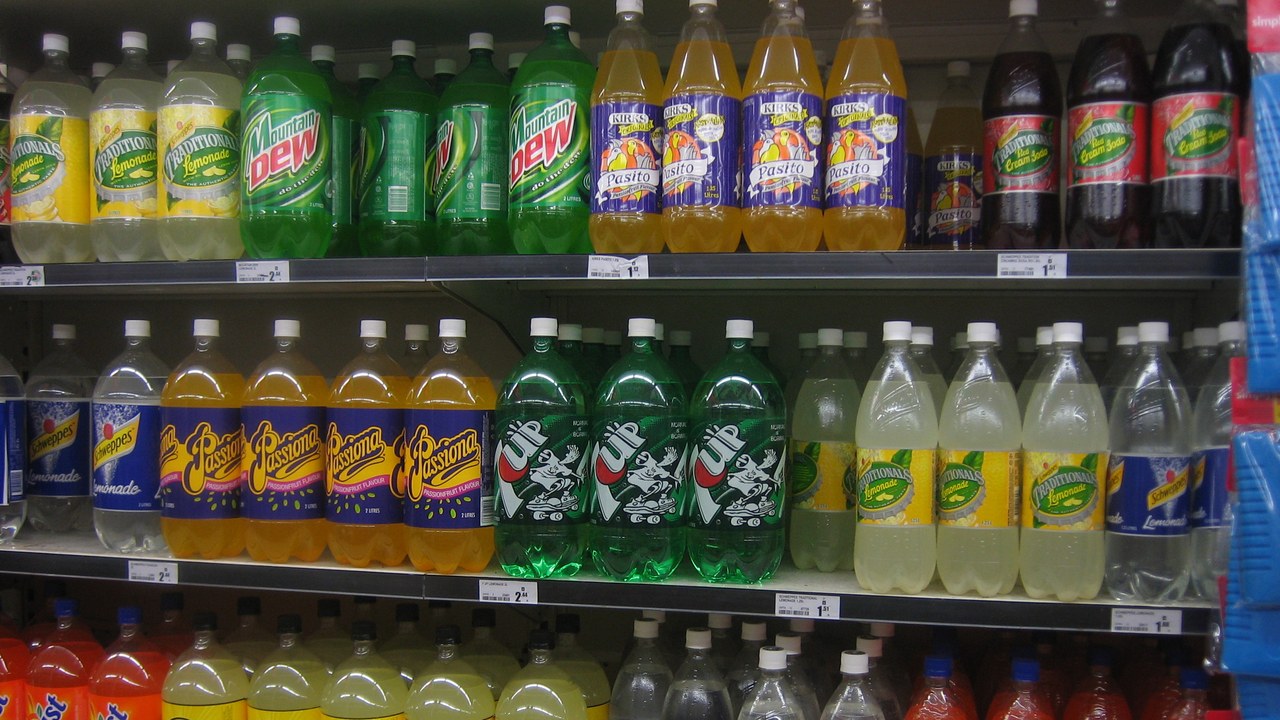
Starting November 1, a grocery trip on Virginia SNAP will look different at the register. Soda, including diet soda and zero-sugar soda, can no longer be paid for with food stamp benefits, while juice, milk and sports drinks stay on the eligible list. The change comes from the Virginia Department of Social Services, which runs the state’s SNAP program, in a SNAP Healthy page that says the rule covers “carbonated sweetened drinks.” SNAP is the federal Supplemental Nutrition Assistance Program, long called food stamps.
What Virginia is taking off the list
The state’s list of restricted drinks has five items. Regular soda is on it, and so are diet soda and “Zero” or zero-sugar soda. Carbonated energy drinks are restricted too. The fifth item is a catch-all for carbonated drinks with 5 grams of added sugar or more per serving.
The department describes the restriction more broadly as applying to fizzy drinks flavored or sweetened with added sugar or artificial sweeteners, which is why the diet and zero-sugar versions are named outright. A household that buys a case of diet cola with an EBT card today will be turned away at the register on and after November 1.
What stays eligible
The department says all other beverages are still SNAP-eligible, and it names them: milk and milk alternatives, juice, iced tea, iced coffee, lemonade, yogurt drinks, kombucha, infant formula, and nutritional shakes or meal replacement drinks. Unsweetened seltzer is on the list, and so are energy drinks that are not carbonated, which the page calls “fizz-free.”
The introduction to the department’s page also names sports drinks as still eligible. A local TV report from WSLS 10 on October 1 repeated the same list of milk, juice, infant formula, sports drinks, iced tea and lemonade.
For anyone on SNAP in Virginia, and for the relatives who shop for them, the question is what to put in the cart that costs the same and still counts, and which drinks will now have to be paid for out of pocket after November 1.
The November 1 soda change leaves Virginia SNAP eligibility and benefit amounts alone, so a household’s renewal and reporting dates still have to be kept. The SNAP & Medicaid Renewal Organizer has 51 state packs and a renewal and reporting calendar for exactly that.
Set up Virginia SNAP renewal and reporting dates in the Renewal Organizer →
Benefits stay the same
The department says plainly that Virginians’ eligibility for SNAP and their benefit amount are not affected by the change. The monthly deposit on the EBT card does not shrink. What shrinks is the list of things the card can buy, so a household that has been spending part of its benefit on soda will need to fund those purchases another way or shift the money to other groceries.
The department is also running the program alongside Virginia Fresh Match, which doubles SNAP dollars spent on fruits and vegetables at participating locations, including farmers markets. The restriction page describes SNAP Healthy as a statewide effort to encourage spending on nutritious foods and drinks.
A federal waiver sits behind the rule
The department says the change is part of a waiver from the U.S. Department of Agriculture, which sets SNAP’s federal rules. USDA’s food restriction waiver table, updated October 2, 2026, shows Virginia’s target implementation date as Nov. 1, 2026, and describes the restriction as one on “sweetened beverages.”
The same table lists 23 states with waivers. Four of them, Colorado, Iowa, Tennessee and West Virginia, carry a notice that the federal district court in the District of Columbia ordered USDA’s approval vacated and that implementation may not proceed. Virginia’s row carries no such notice, and the state’s own page, along with local coverage on October 1, gives the same November 1 date.
How the change will reach shoppers
The department says it will share updates through stores, local social services offices, community partners, its website and social media, and the page mentions a section on what to expect at checkout. Questions can go to [email protected].
The department has not published a count of Virginia households affected, and its page lists no exemptions from the restriction. What it does say is that the rule applies to SNAP customers buying drinks at authorized retailers in Virginia.
Planning the cart before November 1
The free source for every detail is the department’s SNAP Healthy page, linked at the top, which carries the full restricted and eligible lists. Anyone unsure about a specific drink can check the label for carbonation and added sugar, then match it against the list, or email the department’s SNAP Healthy address.
A short written list helps. One column holds the drinks a household buys most, a second marks which are restricted, and a third notes the eligible substitute, such as unsweetened seltzer, iced tea, juice or milk. Households that buy diet or zero-sugar soda for a family member should plan the switch before the first shopping trip in November, since the department names those drinks specifically.
Because the benefit amount does not change, the other dates on a SNAP case still matter, including the recertification date and any change reports a local office has asked for. Those come from the notices a local social services office sends, not from the soda rule.
November 1 changes the cart, not the case dates
Virginia says SNAP eligibility and benefit amounts are unaffected by the soda restriction, so the dates to keep are the renewal and reporting dates already on the case. The SNAP & Medicaid Renewal Organizer lays out 51 state packs and a renewal and reporting calendar, so Virginia’s dates are written down in one place before the November 1 change at the register.
Build a Virginia SNAP renewal and reporting calendar with the Organizer →
This article was produced with AI assistance and edited for accuracy against the sources linked above.


