
Author: Elizabeth Blessing
-
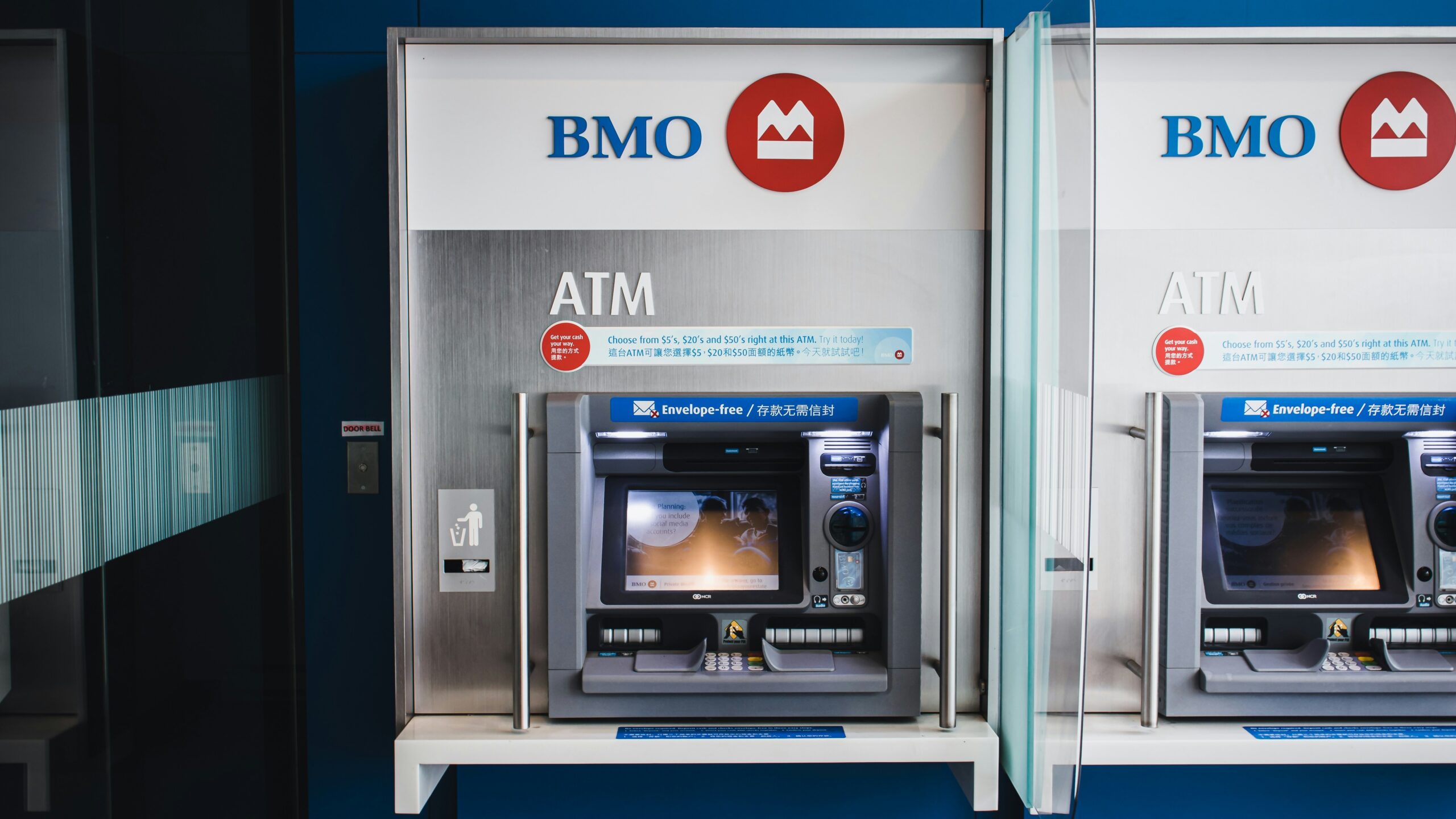
The wrong ATM now costs $4.86 on average, a record, and $5.37 in Atlanta
Pulling cash from an ATM that doesn’t belong to your own bank has never cost more. The average combined fee for an out-of-network withdrawal climbed to $4.86 in Bankrate’s latest annual study, and in several major cities it now tops $5 a swipe. For anyone who still keeps cash on hand for tips, a rent…
-

The $5 overdraft cap never took effect, and the average overdraft fee is $26.77
A rule finalized by the Consumer Financial Protection Bureau in December 2024 would have capped most bank overdraft fees at $5. It never took effect. Congress killed it in the spring of 2025, and the fee data collected since then shows exactly what that repeal costs the typical account holder: the average overdraft fee now…
-

A House bill would cut consumer bureau supervision to banks above $30 billion, up from $10 billion
A group of House Republicans introduced a bill this week that would redraw the line determining which banks answer directly to the federal government’s consumer watchdog. Right now, banks with more than $10 billion in assets are examined directly by the Consumer Financial Protection Bureau for how they handle overdraft fees, credit card terms and…
-

A federal proposal would make it easier to call a worker an independent contractor
Independent contractor status sounds like a technical HR label, but it decides three very concrete things: whether a worker is guaranteed the federal minimum wage, whether they are owed overtime, and whether they can take job-protected leave. A new Department of Labor proposal would redraw the line between contractor and employee, making it easier for…
-

Ford will pay $2.3 million over racist graffiti at a Buffalo plant, and former workers can come forward
The U.S. Equal Employment Opportunity Commission announced this week that Ford Motor Company has agreed to pay $2.3 million to resolve a years-long harassment investigation tied to its stamping plant near Buffalo, New York. Investigators found reasonable cause to believe workers there were exposed to racist and ethnically targeted graffiti in bathrooms and break rooms,…
-

A preliminary federal revision finds 79,000 fewer jobs than the government had reported
The federal government just confirmed the March 2026 jobs count was overstated. A preliminary estimate from the Bureau of Labor Statistics finds the U.S. economy had 79,000 fewer nonfarm jobs on the books that month than the monthly payroll survey had reported, with the private-sector shortfall running more than twice as deep. For anyone gauging…
-

A new 1 percent tax on cash sent abroad loses its penalty grace period after this quarter
Every dollar a U.S. resident sends home in cash, a money order or a cashier’s check has carried a new federal tax since New Year’s Day this year, and the companies that collect it have been operating under real slack from the IRS while they build the systems to do it correctly. That slack runs…
-

The new car loan interest break starts shrinking once income passes $100,000, or $200,000 for a couple
A new federal tax break lets some car buyers deduct the interest on an auto loan, but the deduction was never designed to reach every household that finances a vehicle. Once a filer’s income clears a specific line, the break starts shrinking, and the IRS has not spelled out publicly exactly how far the reduction…
-

The home energy and electric vehicle tax credits are gone, and this is the first full year without them
Homeowners and car shoppers who spent the last few years factoring a federal tax credit into the price of a heat pump, a solar array or an electric vehicle are now shopping without one. Congress shut down three separate federal credits through the same law last year, and 2026 is the first calendar year households…
-

The federal retirement match starting in 2027 stops at $71,000 for couples and $35,500 for single filers
Starting in 2027, the federal government will match half of what many low- and moderate-income workers put into a retirement account, but the match disappears entirely above a specific income line. That line isn’t one number for everyone. It shifts by filing status, and the IRS’s own income table shows married couples, heads of household…
