
Author: Elizabeth Blessing
-

Private debt collectors working for the IRS brought in $6.1 billion in three years
The Internal Revenue Service does not send every overdue account to one of its own revenue officers or in-house call centers. Since 2015, a slice of the agency’s oldest unpaid tax debts has gone instead to independent collection firms working under federal contract, a program now large enough that the agency’s own watchdog tracks how…
-

571,000 federal employees and retirees owe the IRS $6.3 billion
More than 571,000 current and retired federal employees carry an unresolved federal tax obligation totaling roughly $6.3 billion, a balance that has grown by $1.5 billion, or 32 percent, since fiscal year 2021. The count comes from the Treasury Inspector General for Tax Administration’s review of the Internal Revenue Service’s long-running program for tracking tax…
-

A 2026 W-2 will carry three box 12 codes that have never existed before
Every January, employers fill in a short alphabet of letter codes down the side of Form W-2’s box 12, each one steering a different kind of pay or benefit toward the right line on a tax return. For the form covering the 2026 tax year, that alphabet gains three entries that have never existed before.…
-

The IRS is closing its EFTPS payment system to individual taxpayers later this year
A federal fact sheet updated by the Internal Revenue Service in January 2026 confirms that a payment system millions of individual taxpayers have relied on for years is being phased out before the end of the year. The change traces back to a 2025 presidential directive ordering federal agencies to move away from paper-based and…
-

The IRS closed 430,900 substitute returns last year without ever reaching the taxpayer
Late last month, the Treasury Inspector General for Tax Administration published its annual look at how the Internal Revenue Service handles people who never filed a tax return, and one figure stood apart from the rest. Of the 592,800 substitute-return cases the agency closed in fiscal year 2025, 430,900 closed without the IRS ever making…
-

When someone does not file, the IRS files for them, and the substitute return carries no deductions
A person who never sends in a tax return does not stop a tax bill from being calculated. Under Internal Revenue Code Section 6020(b), the Internal Revenue Service can prepare a return on that person’s behalf using only the income already reported by employers, banks and other payers. The resulting document, called a substitute for…
-
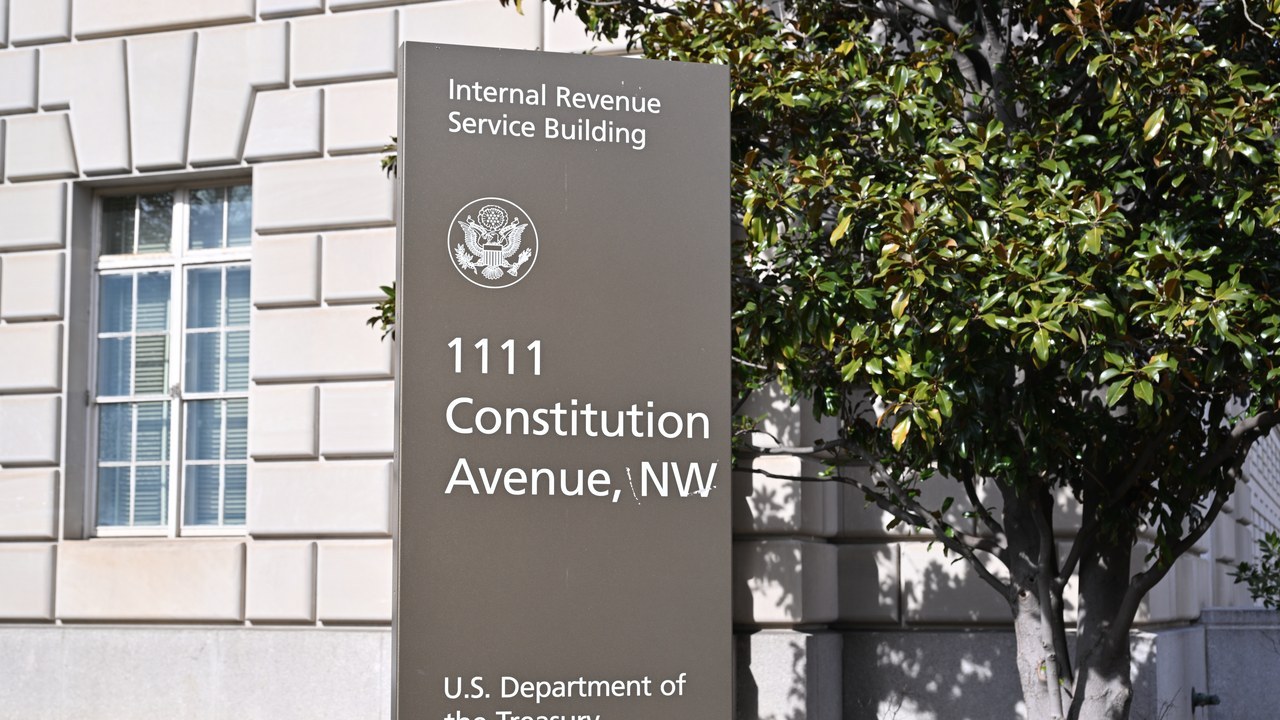
The IRS charges 7 percent a year, compounded daily, on anything still unpaid after October 15
Every quarter, the Internal Revenue Service recalculates the interest rate it charges on tax bills that go unpaid, and for the final quarter of 2026 the number did not move. Individual filers who still owe money after October 15 — the deadline for anyone who requested a filing extension back in the spring — will…
-

A Trump executive order tells the VA to pull military medical records from a service member’s first day
President Trump signed a new executive order on September 8 directing the Department of Veterans Affairs and the Department of War to share a service member’s personnel and medical records starting the day that person enlists. For decades those records have typically moved between the two departments only after separation, often taking months to arrive…
-

Eight months on, Trump’s Great Healthcare Plan is still only a request to Congress
Eight months after the White House unveiled what it branded the Great Healthcare Plan, the proposal sits exactly where it started: a list of asks aimed at Congress, not a change written into federal law. The plan promises lower drug prices, lower insurance premiums, and new rules for large insurers, and the administration has kept…
-

Every state Medicaid program applied to Trump’s drug-pricing model, and the last holdouts have until September 30
Every Medicaid program in the country has filed an application for a new federal prescription drug pricing model, and federal regulators say most have already gone a step further and signed on for good. The Centers for Medicare & Medicaid Services said on September 18, 2026, that all 50 states, plus the District of Columbia…