
Author: Brian Lund
-

Americans carried $1.316 trillion in revolving credit in July after balances rose again
U.S. revolving consumer credit reached $1.3161 trillion in July on the Federal Reserve’s unadjusted measure, rising from $1.3090 trillion in June. Most of that category is credit-card debt, though the total also includes certain overdraft and other revolving plans. The July figure is preliminary and can be revised, but the direction and level were current…
-

Accenture will pay $25 million over alleged federal-contract discrimination
Three Accenture entities have agreed to pay the United States $25 million to resolve allegations that employment decisions conflicted with anti-discrimination promises made in federal contracts. The case reaches hiring, promotion, training and mentoring practices, not merely one rejected applicant. It is a civil settlement, and the government says there has been no determination of…
-
Lely will pay $65,000 after the EEOC found a worker was denied a raise because of sex
A denied raise is carrying a $65,000 consequence for agricultural-technology company Lely North America. The Equal Employment Opportunity Commission says its investigation found that a former employee was denied a wage increase because of sex and later faced age-based harassment and constructive discharge. The matter ended through a conciliation agreement rather than a court judgment.…
-
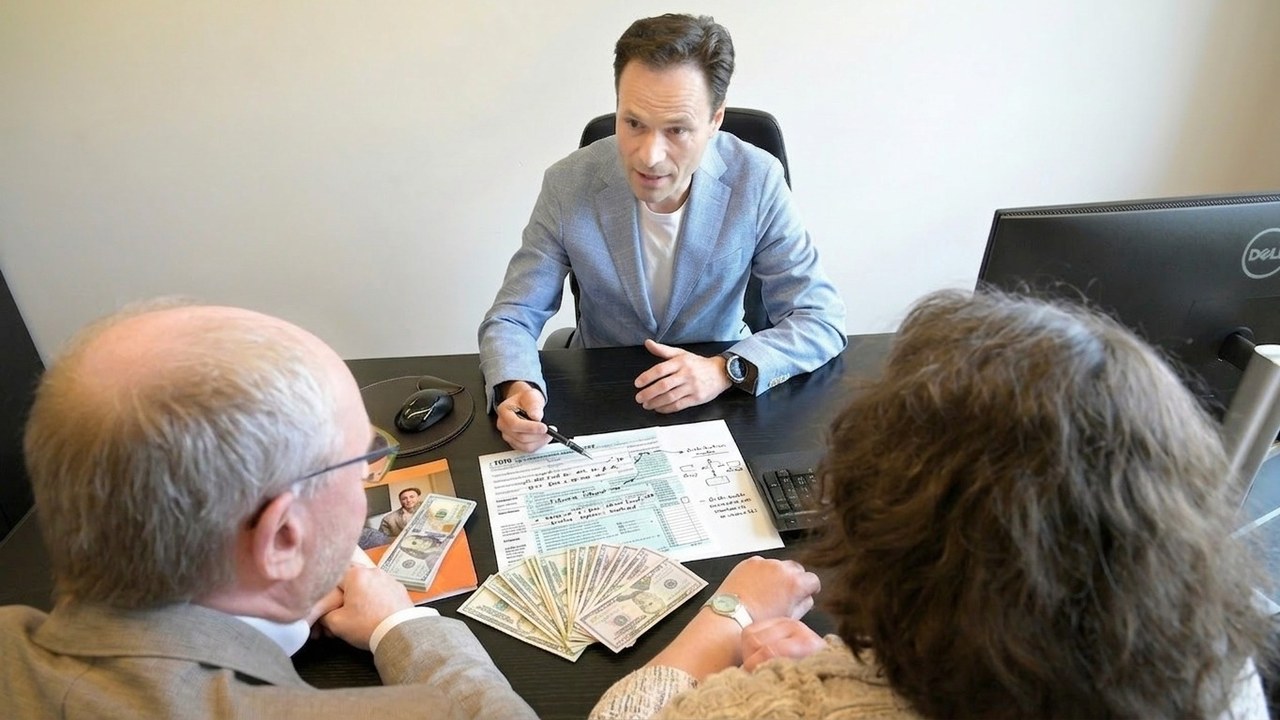
Small employers can replace group health premiums with tax-free monthly reimbursements
A small business does not have to select one group health plan and absorb every premium increase in order to offer a tax-favored health benefit. A federal arrangement now promoted under the name CHOICE lets an employer set a monthly contribution while employees buy qualifying individual coverage. The model changes who chooses the policy, but…
-
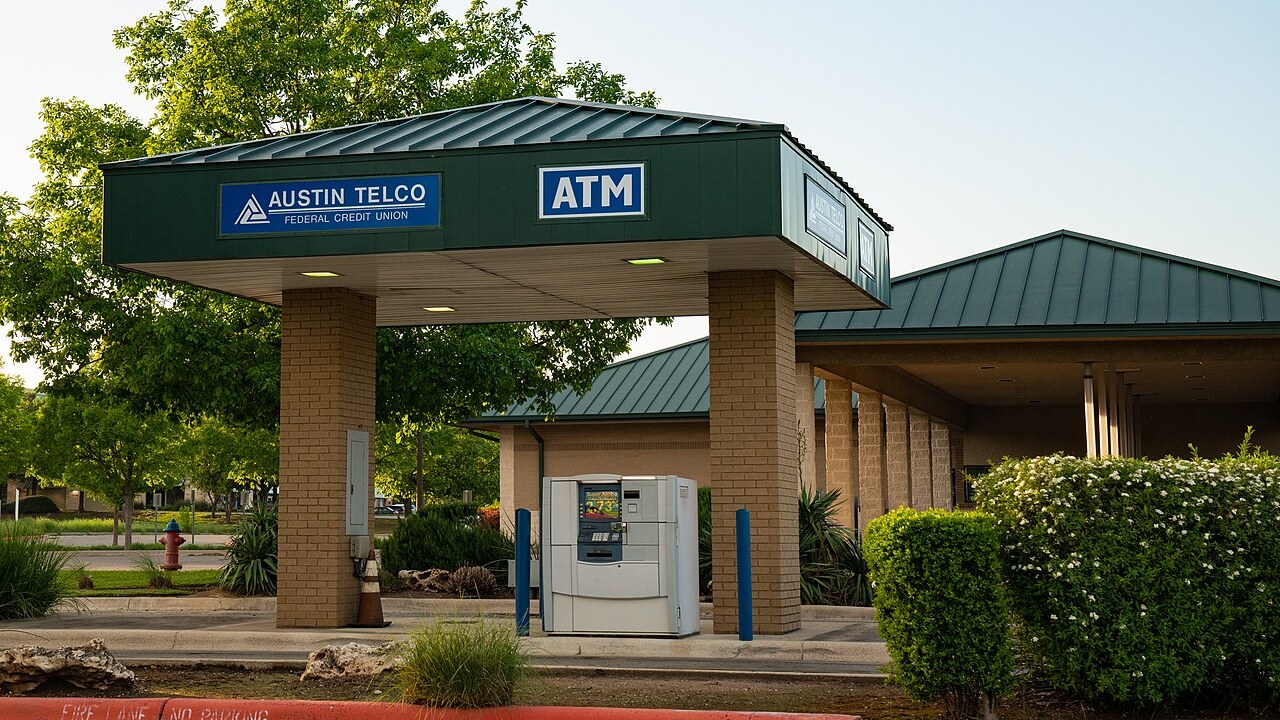
No credit union member has ever lost an insured penny, and shares are typically paid within five days
No member of a federally insured credit union has ever lost a single penny in an insured account, according to the agency that runs the backstop behind nearly all of them. The National Credit Union Administration also says that once a credit union closes, verified member shares are typically paid out within five days —…
-

Real hourly pay fell 0.3 percent over the year, and workers made it up with longer weeks
Paychecks grew slower than prices over the past year, and the only reason take-home pay did not fall further is that people worked more hours to make up the gap. The Bureau of Labor Statistics reported that real average hourly earnings, pay adjusted for inflation, dropped 0.3 percent between August 2025 and August 2026. Real…
-

Paying a doctor a flat monthly fee no longer costs a worker the right to a health savings account
A change buried in last year’s tax law is now reshaping a corner of employee benefits that has quietly tripped up thousands of workers: signing up for a direct primary care membership, the flat-fee subscription model some doctors use instead of billing insurance, used to mean losing the right to fund a health savings account.…
-

Only 1.9 percent of American workers quit a job in July, and that is why raises have stalled
The country’s workers stayed put in July. Just 1.9 percent of the American workforce quit a job that month, according to newly released government data, one of the quietest stretches for job-switching in years. On its own, a slow quits number does not sound like a paycheck story. But switching jobs is how a huge…
-

Federal workers are set to get no raise in January under the President’s pay plan
Federal civilian employees are on track to open their first paycheck of 2027 and find the same General Schedule base and locality pay rates they earned throughout 2026. On August 26, 2026, the White House sent Congress a pay plan that freezes those rates rather than letting the usual annual adjustment formula run its course.…
-

Real hourly pay fell last month and is below last year’s level
Paychecks grew again in August, but the cost of living grew faster. The Bureau of Labor Statistics reported on September 11 that average hourly pay, once adjusted for inflation, fell for the typical U.S. worker last month, and measured against a full year of price increases, real hourly pay in August 2026 is lower than…