
Author: Brian Lund
-

Maine’s tipped cash wage rises to $7.85 an hour on January 1
Maine restaurant servers, bartenders and other tipped workers will see their guaranteed cash wage go up on the first day of 2027. The state’s tipped cash wage rises to $7.85 an hour on January 1, from $7.55, alongside an increase in Maine’s general minimum wage from $15.10 to $15.70 an hour. The new rates The…
-

San Antonio car dealerships agreed to pay $430,000 in an EEOC settlement
Benson Enterprises, Inc., the operator of automotive dealerships including Ingram Park Chrysler Jeep Dodge Ram in San Antonio, will pay $430,000 and provide other relief to settle a sex-based harassment and retaliation lawsuit brought by the U.S. Equal Employment Opportunity Commission. The money goes to two affected employees. A federal court approved the deal as…
-

El Dorado Furniture agreed to pay $1.3 million to a class of job applicants in an EEOC settlement
El Dorado Furniture Corporation agreed to pay $1.3 million to settle an EEOC discrimination charge, the Equal Employment Opportunity Commission announced October 5. The agency said it found reasonable cause to believe the Florida furniture retailer had a companywide practice of favoring Hispanic applicants for all positions, and that Black, white and other non-Hispanic applicants…
-
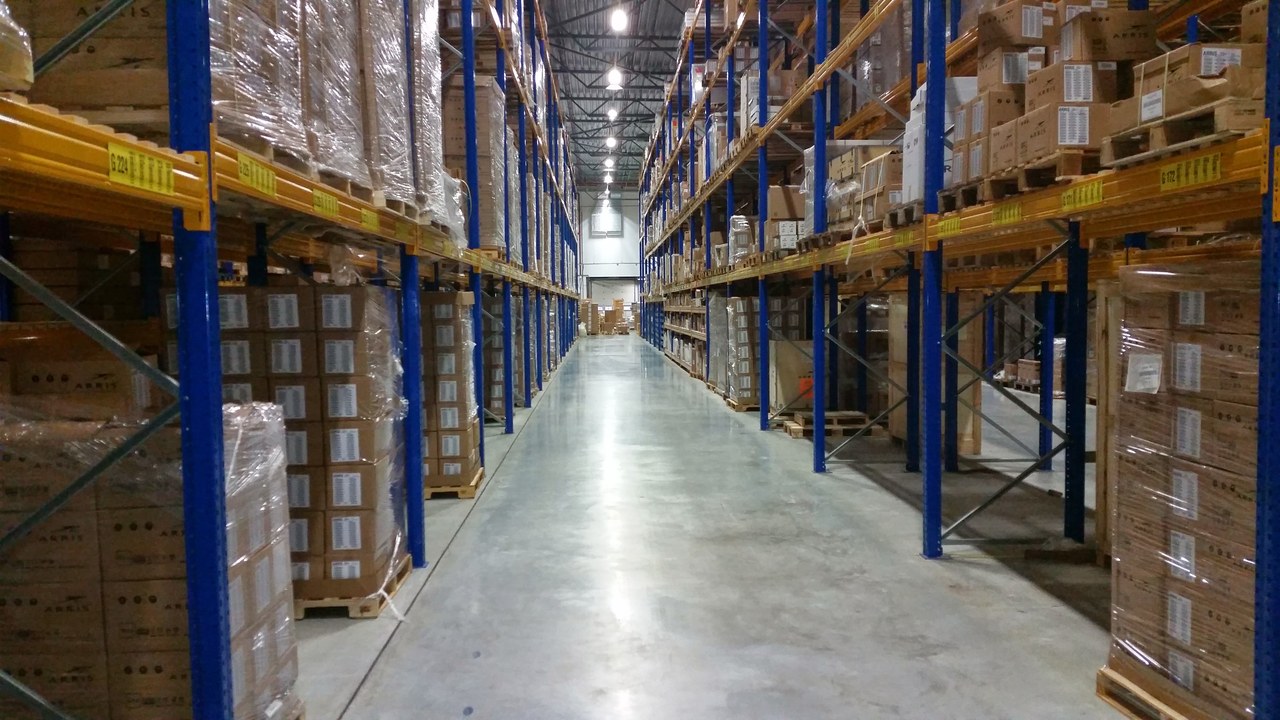
Birchstone Management agreed to pay $55,000 to one rejected job applicant
Birchstone Management, a warehousing and logistics management company based in Dallas, agreed to pay $55,000 to one woman the U.S. Equal Employment Opportunity Commission says was turned away from a pallet repairer job in Spokane Valley, Washington. The payment is part of a $500,000 settlement announced October 6, 2026, with the other $445,000 going to…
-

West Virginia still holds more than $529 million in unclaimed property listings
West Virginia’s State Treasurer’s Office says it now has more than $529 million worth of listings in its unclaimed property database. The figure comes from a July 23, 2026 release in which Treasurer Larry Pack also reported $40,168,816.26 returned to owners in the fiscal year that ended June 30, 2026, through 25,407 claims covering 95,760…
-

Treasury’s rule requiring federal benefits to be paid electronically carries eight waiver paragraphs, one of which lets a household ask for a waiver on two hardship grounds
Federal benefit payments are supposed to arrive electronically, and the Treasury Department’s rule leaves only narrow doors for anyone who wants to keep getting paper. Treasury’s Bureau of the Fiscal Service says in plain terms that “all federal benefit payments must now be paid electronically,” either by direct deposit to a bank or credit union…
-

Federal rules give a consumer 60 days from the statement date to report an electronic bank transfer error
A bank customer who spots a charge that does not belong has a fixed window to say so, and the clock starts sooner than many people assume. Under Regulation E, the federal rule on electronic fund transfers, the bank has to receive the notice of an error no later than 60 days after it sends…
-

A bank served with a garnishment order without a federal benefits notice attached has two business days to free the lesser of two months of posted federal benefits or the account balance
When a creditor’s garnishment order reaches a bank with no federal benefits notice attached, a federal rule gives the bank two business days to look at the account and set aside the benefit money inside it. Treasury’s rule at 31 CFR Part 212 covers payments from Social Security, the Department of Veterans Affairs, the Railroad…
-

Regulation CC lets a bank hold a deposited check past the normal schedule under six named exceptions, stretching availability by up to six business days, and longer if the bank can justify the delay
A deposited check does not always clear on the bank’s normal schedule. Under the Federal Reserve’s Regulation CC, a bank can delay funds under six named exceptions, and the rule sets the usual extension at one, five or six business days depending on the type of check, with longer holds allowed when the bank can…
-

Tipped workers on pre-2022 federal contracts get a $9.85 cash wage on January 6
Tipped employees working on a narrow slice of federal contracts will see their required cash wage rise to $9.85 an hour on January 6, 2027, up from $9.55. The Labor Department’s Wage and Hour Division published the new rates on October 8 in a Federal Register notice signed by Administrator Andrew B. Rogers. The same…