
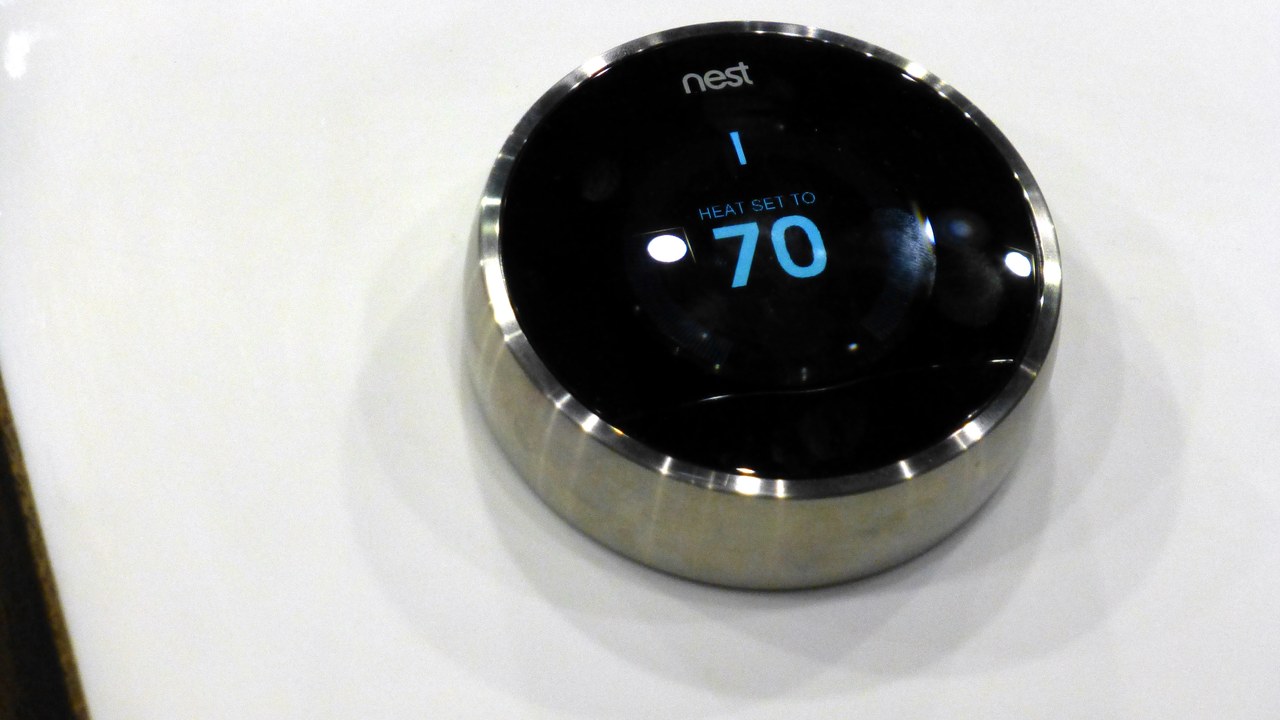
November 1 is the date the Low Income Home Energy Assistance Program, known as LIHEAP, opens to the general eligible public in Iowa and Illinois, and Pennsylvania follows a day later on November 2. In Iowa and Illinois that is the second stage of a two-step rollout, because older adults and other priority groups were allowed in on October 1. Pennsylvania’s date comes with a caveat in the state’s own wording: the season is “scheduled to open” on November 2, 2026.
Iowa: priority groups since October 1, everyone else November 1
The Iowa Utilities Commission announced on September 29 that applications from households with a resident age 60 or older, a disabled resident, or a household in housing crisis opened October 1. The rest, described as “all other renters and homeowners who fall within federal poverty guidelines,” can apply beginning November 1, 2026. The commission’s release sets the income ceiling at 200% of the federal poverty guidelines and the closing date at April 30, 2027.
Applications go through community action agencies, which operate in every county; the release lists 515-776-8871 for help finding the local office. Iowa also runs a shutoff moratorium from November 1 to April 1, during which all electric and natural gas utilities in the state observe a pause on service disconnections.
For a household in any of the three states, the practical question is which program applies to it, what it needs to bring, and which date counts. Households in Iowa and Illinois should first check whether anyone in the home falls in a priority group, since that group has been able to apply since October 1; everyone else waits for November 1. In Pennsylvania, nobody applies before the season opens.
Heating aid is one of several home-cost programs with its own dates, forms and income tests. The Senior Property Tax & Home-Cost Relief Kit includes heating, cooling and home-repair help, laid out alongside the property-tax relief that sits next to it.
Open the home-cost kit for the November LIHEAP openings →
Illinois: a longer priority list and a far longer season
The Illinois Department of Commerce and Economic Opportunity lists a broader first group. According to its how-to-apply page, October 1, 2026 applies to older adults age 60 and older, individuals with a disability, households with at least one child age 5 or under, and households that have been disconnected. All other income-eligible households start November 1.
Applications close August 13, 2027, “or until funding is exhausted,” a reminder that the end date is a ceiling rather than a promise. The page lists a 2026 income limit at 300% of the federal poverty guidelines, which works out to $8,250 for 30 days or $99,000 a year for a household of four. Applicants submit an online Request for Services form at helpillinoisfamilies.com or apply directly through a local agency, and the support line is 1-833-711-0374.
Pennsylvania: a November 2 target and a $200 to $1,000 range
The Pennsylvania Department of Human Services says on its LIHEAP page that the 2026-2027 season is scheduled to open on November 2, 2026, and that renters and homeowners both qualify. People who received benefits the previous year get early notification to reapply during pre-season. Grants run “from $200 to $1,000 based on your household size, income, and fuel type.”
Annual income limits, effective February 1, 2026, start at $23,940 for a one-person household and reach $100,620 for ten people, with $8,520 added for each additional member. Applications go through COMPASS online or a local County Assistance Office. Separately, a crisis component covers broken heating equipment, lack of fuel, service shutoffs or less than a 15-day supply, with crisis benefits provided “within 10 business days of applying.”
Opening day is not payment day
Each of these dates is when applications begin, not when money or fuel arrives, and each program is means-tested. A household that applies on the first day is not necessarily approved on it. Illinois funding can run out before its August close, and the Pennsylvania date is a schedule rather than a guarantee. For comparison, Connecticut’s winter heating program opened on September 1, 2026, with benefits listed by the state at $355 to $705, according to the Connecticut Department of Social Services.
Lining up the paperwork before the first day
The route that costs nothing runs through each state’s own program: the Iowa community action agency network, the Illinois DCEO application page, or Pennsylvania’s COMPASS application. Applying through the state does not require paying anyone.
Before the date, gather proof of income for every household member, a recent heating or utility bill showing the fuel type, identification, and a note of whether anyone is 60 or older, disabled, or in a priority group. Check the household’s size against the income limit above and note the shutoff protections that apply: in Iowa the moratorium runs November 1 through April 1. A household already facing a disconnection notice should say so on the application, since Illinois lists disconnected households among its October 1 priorities and Pennsylvania has a separate crisis track.
For keeping the dates and forms organized, The Senior Property Tax & Home-Cost Relief Kit pairs its sections on heating, cooling and home-repair help with an application log and renewal calendar.
Click here to get The Senior Property Tax & Home-Cost Relief Kit →
This piece was drafted with AI assistance; the figures and dates were checked against the Iowa Utilities Commission, Illinois DCEO, Pennsylvania DHS and Connecticut DSS pages linked above.


