
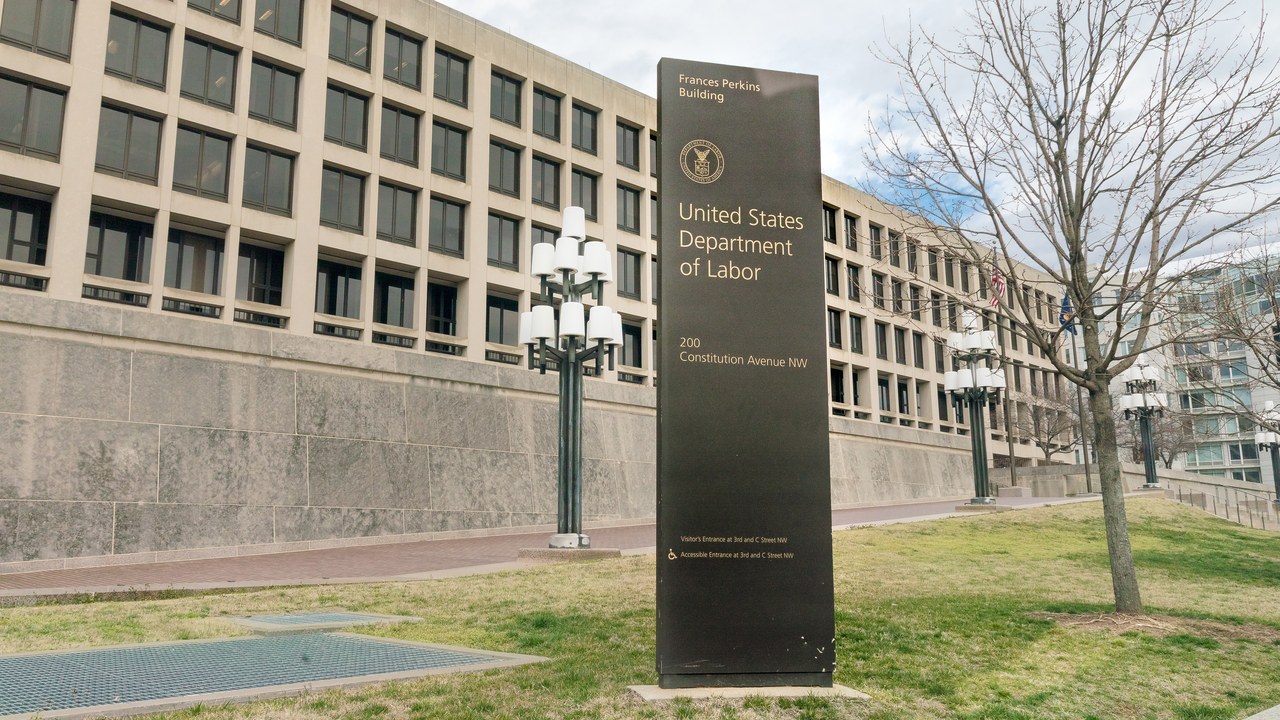
The cost-of-living adjustment that sets Social Security checks for January has no published number yet. Social Security’s own pages still show only the current 2.8 percent adjustment, and the figure that completes the calculation, September’s inflation reading, is due from the Bureau of Labor Statistics on October 14, 2026. Until then, the January raise cannot be known, for roughly 70 million people.
What the Social Security cost-of-living page shows today
The Social Security Administration’s latest COLA page states that the latest cost-of-living adjustment is 2.8 percent for Social Security benefits and SSI payments, effective December 2025 and payable in January 2026. As of October 3, 2026 the page carries no 2027 adjustment, and none of the SSA pages read for this article gives an announcement date for one.
The page’s own explanation of the calculation rests on the 2024 and 2025 third-quarter readings alone. Nothing on it refers to the 2026 readings that will decide the next adjustment, which is consistent with a figure that cannot be set until the quarter’s data is complete.
The gap reflects how the adjustment works. The adjustment is not a policy decision made in a meeting. It is arithmetic on a government price index, and the last piece of data that feeds it has not yet been released.
How the 2.8 percent was built, and what the 2027 version needs
The same SSA page shows the inputs behind the current figure. The average of the Consumer Price Index for Urban Wage Earners and Clerical Workers, known as CPI-W, over the third quarter of 2025 was 317.265. The average for the third quarter of 2024 was 308.729. Divided out, the two averages differ by about 2.77 percent, which became the 2.8 percent adjustment.
The 2025 base is itself three monthly readings from the SSA’s table: 316.349 for July, 317.306 for August and 318.139 for September. Their average is the 317.265 that every 2027 comparison starts from.
The 2027 adjustment follows the same pattern. The third-quarter average for 2025, 317.265, is now the base. A new average for July, August and September 2026 will be compared against it, and the percentage difference will become the raise payable in January 2027.
The September number that is still missing
The SSA’s CPI-W series page lists the monthly values published so far: 327.075 for June 2026, 327.104 for July and 328.481 for August. September 2026 is absent from the table. That is the missing number the January raise depends on, since September is the third and last month of the quarter that sets the adjustment.
The Bureau of Labor Statistics’ release schedule lists the September 2026 Consumer Price Index for October 14, 2026, at 8:30 a.m. The CPI-W is published as part of that release, so the schedule date is also the date the final input arrives. The page was checked live on October 3, and the release date had not moved.
What two published months do and do not show
Two of the three months are now in the SSA table, which allows a plain piece of arithmetic that is not a forecast from any agency. July’s 327.104 and August’s 328.481 average to 327.7925. Set against the 317.265 base, that is about 3.3 percent higher. The third month can move the result in either direction, and the final percentage is rounded to the nearest tenth, so a single published value for September could change the answer.
The sensitivity is small but real. Each full point that September’s CPI-W comes in above or below 328.481 moves the three-month average by one-third of a point, which shifts the percentage by roughly 0.1. A September reading near August’s would leave the figure close to the 3.3 percent mark, while a sharp move in either direction would change the tenths digit that SSA publishes.
That arithmetic is offered only to show how much of the calculation is already on the public record. Neither the SSA nor the BLS has published a projected 2027 percentage, and the SSA’s own pages are the controlling source for the figure when it arrives.
Who the January raise reaches
The SSA’s Monthly Statistical Snapshot for January 2026 counts 70.624 million people receiving Social Security benefits, including 53.846 million retired workers. The average retired-worker benefit that month was $2,074.53. The latest COLA page applies the same adjustment to SSI payments, so the number of people waiting on the 2027 figure is larger than the retirement rolls alone.
Percentages translate into dollars at a fixed rate on the snapshot’s average. Each 1 percent of an average retired-worker benefit of $2,074.53 is about $20.75 a month. At the 2.8 percent adjustment, the same arithmetic gives roughly $58 a month. That is a calculation on the January 2026 average, not an SSA statement of what any individual will receive.
The SSA’s January 2026 snapshot is the source for every beneficiary count above, and its figures date from the agency’s Master Beneficiary Record. The next one to watch is the SSA’s COLA page, where the 2027 adjustment will appear once the September CPI-W is in.
The January payment date and the 2027 adjustment are separate questions
Until the September CPI-W arrives on October 14, the 2027 adjustment stays unknown, but the payment schedule that carries the January deposit is already fixed by Social Security’s own calendar. Keeping that schedule in hand is the practical job that sits alongside the wait for the percentage.
The Social Security Check Protection Kit pairs the 2026 payment calendar with a first-24-hours plan for a late or missing payment, so a household has the dates and the steps in one place.
Get The Social Security Check Protection Kit before the October 14 release →
This piece was drafted with AI assistance; the figures were checked against the Social Security Administration’s COLA, CPI-W and statistical snapshot pages and the Bureau of Labor Statistics release schedule.


