
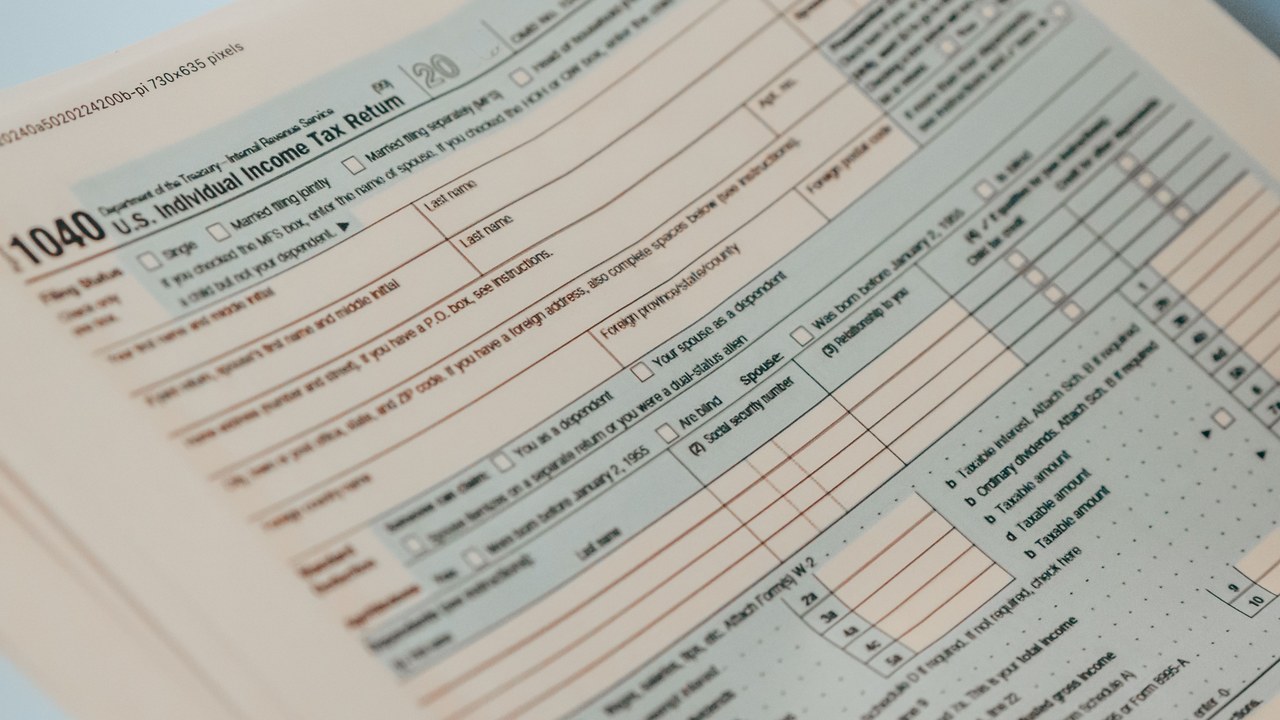
Thirteen days remain before the extended filing deadline for 2025 federal income tax returns passes on October 15, and the penalty schedule for anyone who misses it is blunt. The IRS charges 5% of the unpaid tax for every month or partial month a return is late, and a return that is more than 60 days late carries a minimum penalty of $525, unless the tax owed is smaller than that.
The people exposed are the ones who requested the six-month extension in the spring and then owed a balance they never paid. For them the extra time covered the paperwork, not the bill, and the penalties are built to punish exactly that gap.
What the October 15 extension covers, and what it never covered
The IRS extension page, last reviewed September 20, 2026, says the extension runs until October 15 to file without penalties. The same page is explicit about the limit: the extension is only for filing the return. Any tax owed was still due by the April filing date, which for a 2025 return was April 15, 2026.
That distinction matters because it means two separate penalties can be running at once. A household that filed for an extension in April and paid nothing has been accruing a late-payment charge since spring, even though no late-filing charge can start until October 15 passes. Filing by October 15 keeps the late-filing penalty from starting, but the extension page leaves the April payment date untouched.
The failure-to-file penalty: 5% a month, capped at 25%
The IRS failure-to-file penalty page sets out the rate: 5% of the tax due, less any tax paid on time and available credits, for each month or partial month the return is late. The penalty accrues up to a maximum of 25%. A single day past the deadline counts as a full month, so a return filed on October 16 and one filed on November 14 both draw one month of penalty.
Take a hypothetical household with $4,000 still unpaid. One month late costs 5%, or $200. The charge keeps stacking until it reaches 25% after five months, a ceiling of $1,000 on that balance. The percentages scale with the debt, which is why a small unpaid balance produces a small percentage penalty and a large one produces a large one.
The late-payment penalty overlaps with this. According to the IRS, when both apply, the failure-to-file penalty is reduced by the failure-to-pay penalty, which runs at 0.5% for each month. After five months the late-filing penalty maxes out, but the late-payment penalty continues. In practice that means filing late and paying late costs more than either alone, and filing on time while still owing costs far less than filing late.
The $525 floor for returns more than 60 days late
The percentage formula has a backstop. Per the IRS, “if the return is more than 60 days late, the minimum penalty is the amount listed below or 100% of the underpayment, whichever is less.” For returns due after December 31, 2025, the listed amount is $525. A 2025 return was originally due in April 2026, so the $525 figure is the one that applies to a return extended to October 15, 2026.
Counting from October 15, 60 days runs out on December 14. A return still unfiled after that date would face at least $525, or the whole balance if the tax owed is smaller. The “whichever is less” wording keeps the floor from exceeding the debt. A hypothetical $300 balance, for instance, cannot draw more than $300 in minimum penalty.
The floor also changes the math for mid-sized balances. On a hypothetical $1,500 balance, two months of the 5% rate would be $150, yet a return that crosses the 60-day line faces the $525 minimum instead. The IRS page frames the figure as a minimum, not a typical charge, and a larger unpaid balance climbs past it by the percentage formula alone.
Where the Feb. 1, 2027 postponements change the date
Not every filer is on the October 15 clock. The IRS disaster-relief index, updated September 16, 2026, lists announcements that postpone filing deadlines to February 1, 2027, among them Hawaii County, Indiana, the Oglala Sioux Tribe in South Dakota and Washington State. Residents and businesses in those areas who hold a valid extension have until the later date to file.
The postponements apply to filing, not to the original payment date. In the Hawaii County announcement, for example, 2025 tax payments were due April 15, 2026, and the relief does not reach them. Anyone outside a listed area, or whose area is not on the page, should treat October 15 as the working deadline.
The four IRS figures that decide the bill
Taken together, the IRS pages reduce the exposure to four numbers: 5% of the unpaid tax for each month or partial month, a 25% ceiling on that penalty, 0.5% a month for late payment, and the $525 floor for returns due after 12/31/2025 that run more than 60 days late. Anyone weighing whether to file now with a balance still owed is choosing between those figures and the cost of waiting, and the failure-to-file page is the place the rates are printed.
For households with a refund notice and several dates to keep straight
The kit is written for taxpayers who are waiting on a refund, or holding an IRS letter about one, and need to know what the notice means and what to do before the next date arrives. It solves a narrow problem: turning a confusing refund letter into a short list of steps and deadlines.
The IRS Refund Recovery Kit is an independent 13-page guide with a notice decoder, the refund-trace steps for Form 3911 and a refund status tracker spreadsheet.
Track every date on a refund notice in one spreadsheet →
This article was drafted with AI assistance and checked against the IRS pages linked above.


