
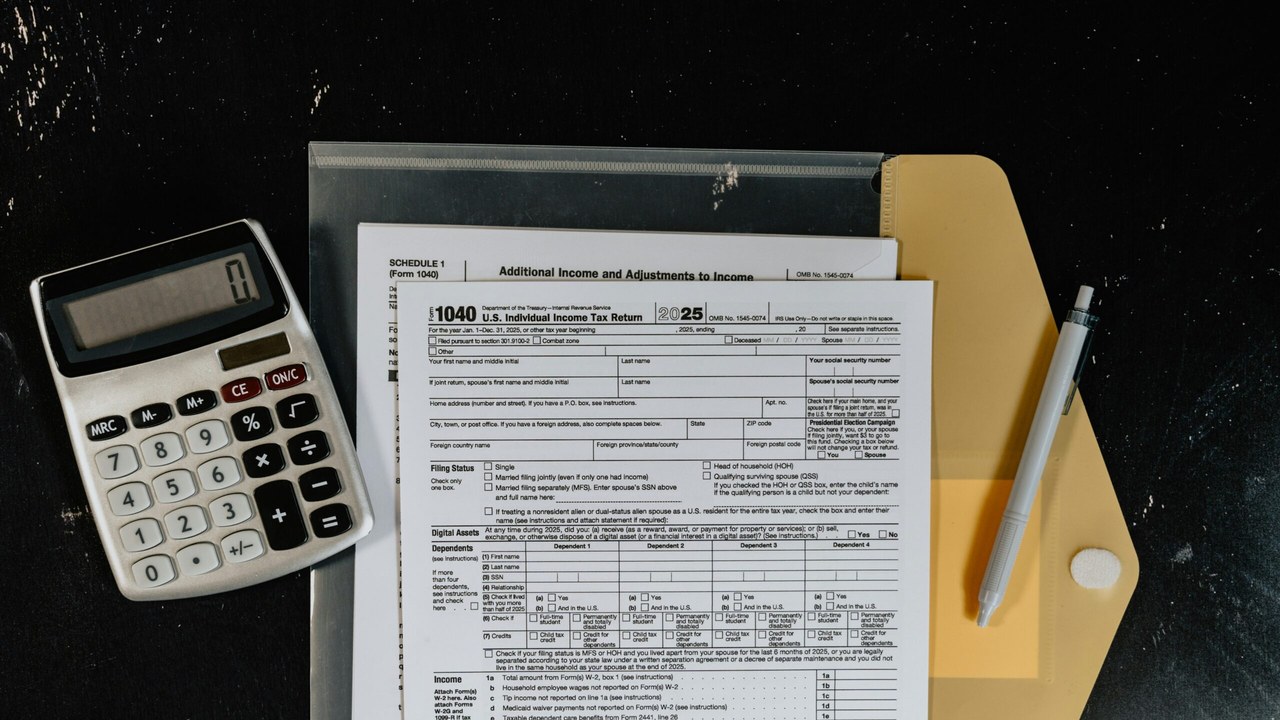
A new tax form is taking shape for a narrow group of long-term care insurance customers, the ones whose retirement plan is involved in paying premiums. Draft IRS instructions for Form 1099-LPS, the Long-Term Care Premiums Paid Statement, say insurers that issue certified long-term care coverage will report premiums and charges starting with tax year 2026. The instructions are still a draft, marked not for filing.
What is posted so far, and why “draft” matters
The IRS listed Form 1099-LPS on its draft tax forms page on Sept. 24, 2026. The draft instructions carry a December 2026 revision date and the warning “DRAFT—NOT FOR FILING,” along with the line “Do not file draft forms.” The draft form itself was created Sept. 23, 2026 and is marked the same way.
A draft is an early release, not final guidance. Wording, box layouts and thresholds can change before the IRS issues a final version. Everything below describes what the drafts say on Sept. 30, 2026, and the IRS’s final instructions could differ.
Which insurers file and which customers receive a copy
The draft is narrower than the headline alone suggests. It says issuers of certified long-term care insurance must file the form if the issuer “filed a long-term care premium statement with a defined contribution plan with respect to a policyholder’s request for qualified long-term care distributions.” A customer whose premiums never touch a retirement plan does not appear to be in that group.
The draft form has three copies. Copy A goes to the IRS, Copy B goes to the policyholder, and Copy C goes to the insured for information only. Box 1 shows the long-term care premiums and charges paid during the calendar year. Box 2 records whether the insured is the policyholder (“Self”) or a “Spouse.”
The wording on the draft form’s recipient copy makes the same link. It says the form reports premiums when the issuer filed a long-term care premium statement with the plan in response to the policyholder’s request for qualified distributions, including those distributions and other premiums paid during the same year. In other words, the form follows a request made through the retirement plan, and a policy paid entirely from a checking account does not trigger it on that reading.
The instructions say they apply to tax year 2026 and later years until a revision replaces them, which is why the headline’s 2026 premiums are the first ones covered.
What the $2,600 figure actually limits
The draft instructions state that “for tax year 2026, the applicable reporting threshold amount is $2,600,” and that the amount is subject to inflation adjustment in future years. It is not a deduction limit, and it is not a cap on how much premium an insurer reports.
Notice 2026-33 places it elsewhere. Under the notice, a qualified long-term care distribution from a defined contribution plan cannot exceed the least of three amounts: the premiums paid during the taxable year for certified coverage, 10% of the present value of the vested accrued benefit, or $2,600 as adjusted for inflation for 2026. The $2,600 is one of three ceilings on a plan distribution.
The notice adds that the 10% additional tax on early distributions does not apply to a qualified long-term care distribution, although the money is still included in gross income. It also says no distribution counts as a qualified long-term care distribution unless a long-term care premium statement is on file with the plan, requested by the employee each year. The form is the insurer’s record of what was paid.
When the statements are supposed to go out
The draft instructions send filers to Publication 1099 for the general timing rules and point to Notice 2026-33 for special ones. The notice says issuers must furnish statements to individuals on or before Jan. 31 of the year after the premiums were paid and file with the IRS by Feb. 1. Section 334 of the SECURE 2.0 Act, which created these distributions, is effective for distributions made after Dec. 29, 2025, according to the notice.
For 2026 premiums, that puts the first statements in early 2027, and only if the final instructions keep the current approach. Nothing in the drafts describes a separate mailing to customers whose premiums are not tied to a plan distribution.
What a household holds once the form exists
The statement is a receipt that ties an insurer’s premium record to a retirement-plan distribution. For a household that took a qualified distribution, the insurer’s form would sit beside the plan’s own paperwork for the same year, since the premium statement is the condition that makes a distribution qualified. The drafts say Copy B goes to the policyholder and describe it as carrying important tax information, but they do not spell out what a household must do with it.
The IRS’s own summary of purpose is plain. The form is filed “to report premiums and charges paid for certified long-term care insurance,” and Notice 2026-33 supplies the rules on what happens next, including the three-way limit that gives the $2,600 its job.
Refunds left unclaimed against the three-year limit
A federal refund does not wait indefinitely for a return that was never filed. The kit below is for people who skipped a return and want to see how the three-year limit works.
The IRS Refund Recovery Kit is a 13-page kit that covers the 3-year refund deadline and pairs it with a notice decoder for any IRS letter that follows.
Look up the 3-year refund deadline in The IRS Refund Recovery Kit →
An AI assistant helped draft this piece, and its figures were checked against the IRS documents cited.


