
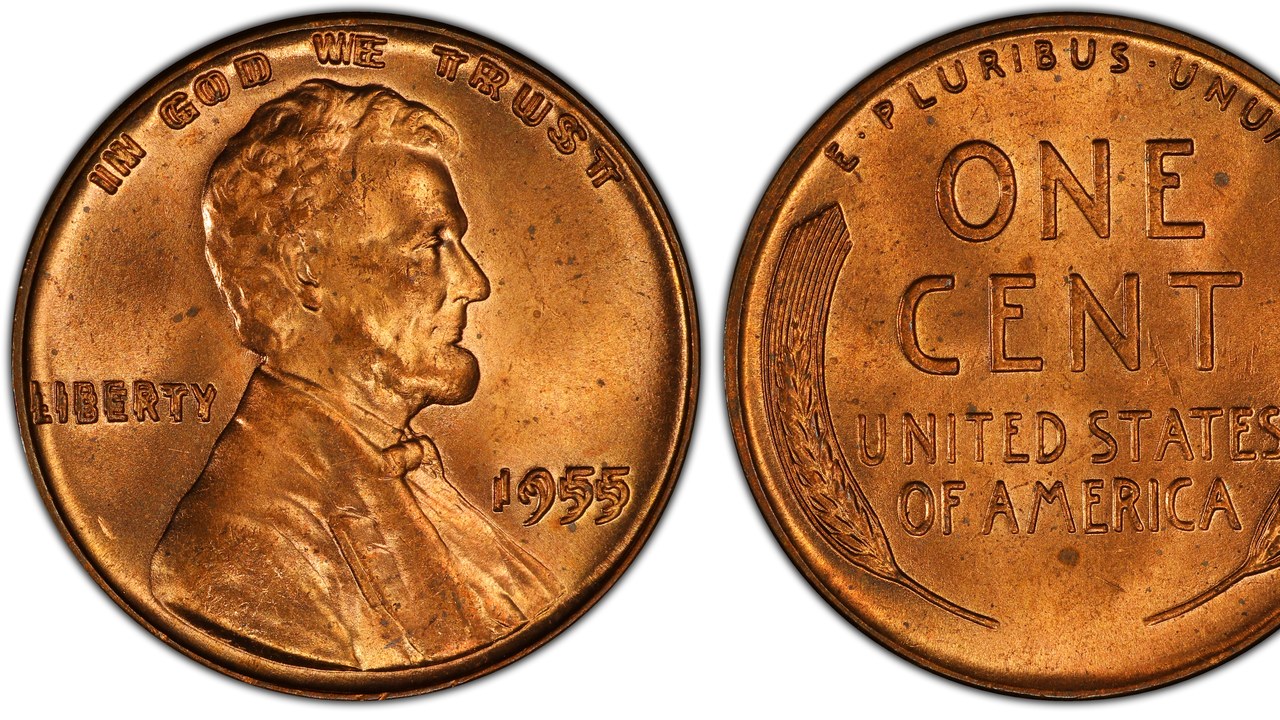
The House has passed a revised version of the Common Cents Act, H.R. 10167, which would end production of the penny and round cash purchases to the nearest five cents. The House acted by voice vote on Sept. 15, 2026. The bill is not law: no signing had been reported as of Sept. 30.
Where H.R. 10167 stands after the House vote
The bill is H.R. 10167 of the 119th Congress, sponsored by Reps. Lisa McClain, a Michigan Republican, and Robert Garcia, a California Democrat. The House floor schedule at docs.house.gov lists it among items that may be considered under suspension of the rules for the week of Sept. 14, 2026. The American Bankers Association’s report says the House passed the revised version on Sept. 15 by voice vote, so no roll-call tally exists for it.
That version responded to an amendment from the Senate. It adds a requirement that Treasury notify Congress 60 days before discontinuing any circulating coin, and it lets the Treasury Secretary explore alternative metals for making nickels to cut costs. On Sept. 28 the Senate cleared the bill by unanimous consent, according to the ABA’s follow-up report, which says it now goes to President Trump. Congress.gov, the usual status page, blocks automated readers, so the House schedule, the bill text and the ABA reports are the records used here.
What the rounding rule does to a cash total
The introduced bill text on docs.house.gov spells out the mechanics. Amounts ending in 1 or 2 cents round down and amounts ending in 3 or 4 cents round up, to the nearest nickel; endings of 6 and 7 round down and 8 and 9 round up. A total of $4.02 becomes $4.00, and $4.03 becomes $4.05. The adjustments across the ten possible endings are 0, -1, -2, +2, +1, 0, -1, -2, +2 and +1 cents, which sum to zero, so a shopper making many cash purchases would see rounding up and down roughly cancel.
The same text exempts payments made by check, electronic fund transfer, gift card, money order, credit card or similar instruments. A card total stays to the exact cent, and the ABA reports that the rounding applies to cash transactions only. Employers that round cash wages must round up to the nearest amount divisible by 5 cents, the introduced text says. That text is the version introduced Aug. 27, so the passed language may differ in details the ABA summaries describe.
A worked week of cash purchases
The introduced text writes the rule for the amount of a cash transaction, so the natural reading is that the receipt total is what changes. Take three cash receipts in a week, each with the total already including any sales tax: $4.02, $7.48 and $12.11. Under the nickel rule they would come to $4.00, $7.50 and $12.10, which is a change of minus 2 cents, plus 2 cents and minus 1 cent, or 1 cent less across all three. The example is arithmetic from the published endings and not a forecast of any household’s spending.
The exemption matters as much as the rule. A household that pays for most things by debit card would see little change, while one that relies on cash for rent, small purchases or tips would meet the rule more often. Nothing in the bill text or the ABA summaries changes how goods are priced, so shelf prices could still end in any cent, and the difference would appear only in the cash total at the register.
The penny itself
The introduced text directs the Treasury Secretary to “cease production of one-cent coins for general circulation,” while allowing sales to collectors. Pennies already minted stay legal tender under the bill, so a coin in a jar or a register drawer is still money. The ABA reports that President Trump directed Treasury to stop penny production in 2025, citing a manufacturing cost above face value. The trade group said the bill would “help modernize the nation’s coinage system and reduce unnecessary costs.”
For households, the change would show up at the register instead of in a bank account. Someone who pays cash for groceries or gas would see totals ending in 1 through 4 or 6 through 9 nudged by one or two cents, and the effective date is not stated in the introduced text.
What is still unsettled
Two items are open. The first is presidential action; the ABA’s Sept. 29 report says the bill heads to the White House and had not been signed when it ran. The second is timing: the introduced text gives no effective date, and the requirement that Treasury send Congress a notice and phase-out plan before ending the coin points to a process rather than a single switch. The record to watch is the bill’s page on Congress.gov, and the House floor schedule for the chamber’s own listings.
For cash and bank-account questions that rounding rules do not answer
Changes to coins and cash totals touch only how a purchase is rounded, and they leave untouched the rules on which bank funds a creditor can reach. Households that hold benefits in a checking account or face collection calls still work from the protections that already exist.
The Bank Account & Debt Protection Kit is a 10-page kit with the debt-validation steps and the 2-month bank protection rule for anyone dealing with a collector.
Click here to see The Bank Account & Debt Protection Kit →
An AI model assisted in drafting this piece, and its statements were checked against House records and the reports linked above.


