
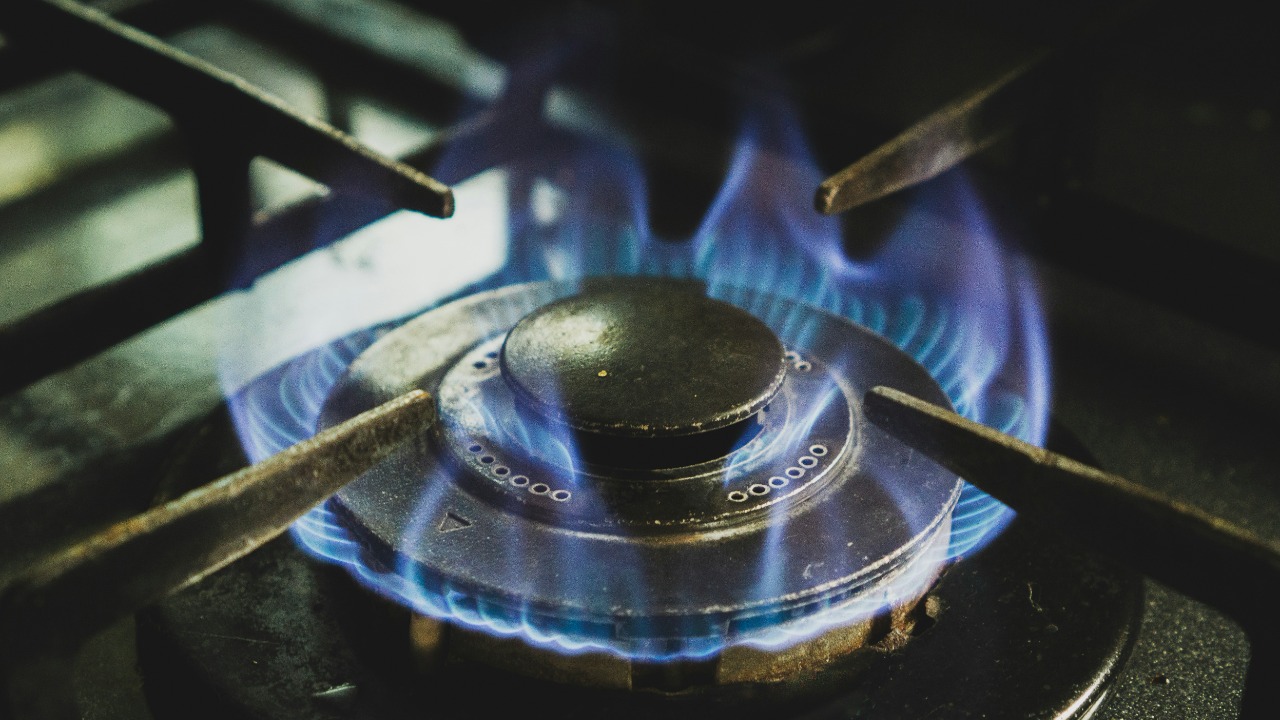
Two of the least avoidable costs in any household, the gas bill and the electric bill, both climbed over the past year, according to the government’s latest measure of inflation. Utility natural gas service rose 4.4% and electricity rose 3.8% over the 12 months ending in August, the U.S. Bureau of Labor Statistics (BLS) reported. The increases land just as colder weather starts pushing heating use higher across much of the country.
Two ways to offset utility bills Higher gas and electric bills are landing before winter even starts, and The Senior Property Tax & Home-Cost Relief Kit covers the circuit-breaker credit for renters and heating, cooling and home-repair help. Look up the heating and repair help details →
What the CPI Utility Numbers Show
The Bureau of Labor Statistics reported that utility (piped) gas service rose 4.4% over the 12 months ending in August 2026, while electricity rose 3.8% over the same period, both inside a report that put the overall Consumer Price Index up 3.4% for the year and 0.4% for the month. Both utility categories rose more slowly than gasoline’s 27.4% jump in the same report, but unlike gasoline, a gas or electric bill is difficult for most households to avoid, delay or shop around for a cheaper alternative in most parts of the country, since a single regulated utility usually serves a given address and switching providers is often not an option at all. That leaves the rate increase as something a household simply absorbs into next month’s budget rather than something it can shop or negotiate around.
Why Natural Gas Matters So Much
About 60% of U.S. homes use natural gas for space heating, water heating, cooking and clothes drying, according to the U.S. Energy Information Administration. That means the 4.4% increase lands directly on more than half of American households just as furnaces and boilers start running for the season, with the heaviest natural-gas bills typically arriving in the coldest months of December, January and February rather than spread evenly across the year. A household that used roughly the same amount of gas last winter as this one should still see a bill running about 4% higher purely from the rate change, before any change in how much gas is actually burned to stay warm, and a colder winter than last year’s would push the total higher still on top of that base increase.
Electricity’s Own Pressure Points
For the households that heat or cool with electricity instead of gas, the Energy Information Administration says heating and cooling together make up the largest annual use of electricity in the residential sector, ahead of appliances, lighting or electronics. A 3.8% year-over-year increase compounds on top of whatever a household is already running to heat rooms, water and appliances, and unlike a one-time purchase, the higher rate applies to every unit of electricity used for the rest of the billing cycle, not just the first one. That makes the percentage increase feel larger for households that run electric heat pumps, baseboard heaters or space heaters through the winter months, since those appliances tend to be among the biggest single draws on a home’s electricity meter for weeks at a time.
A Different Pattern Than Gasoline
Where gasoline prices swing sharply from week to week based on crude oil markets and refinery output, utility rates tend to move more slowly, set through regulatory filings, seasonal fuel-purchase contracts and infrastructure costs that utilities pass through to customers over months rather than days, often after a formal review process that can take a state utility commission weeks to complete. That is part of why the 4.4% and 3.8% increases look modest next to gasoline’s 27.4% jump in the same report, even though both are the kind of cost a household pays automatically every month without shopping around. Energy overall, which BLS measures by combining gasoline, electricity and utility gas together, rose 16.3% over the same 12 months, showing how much of that combined figure still traces back to the pump rather than the utility meter, even as the meter itself keeps climbing at a steadier pace of its own.
Heading Into Colder Months
Both increases arrive before the heaviest heating months of the year, when usage, not just price, tends to climb sharply regardless of what a household is paying per unit, meaning the combined effect on a winter bill is usually larger than the CPI percentage alone would suggest. A household that kept its thermostat setting and overall usage flat from last winter should still expect a bill running 4% to 5% higher purely from the rate increases BLS reported, before accounting for any additional gas or electricity burned to stay warm during a particularly cold stretch. Utilities generally do not offer an automatic discount tied to these federal inflation figures, so the increase shows up on the next bill whether or not a household is prepared for it, and it stays in place until the utility’s own rates change again, which can take months or years depending on the regulatory process in a given state.
Ahead of the Heating Season
Utility rate increases like these typically show up on a bill without any action taken, unlike the property-tax freezes, exemptions and energy-assistance options that still require a separate application. Finding and completing that paperwork before winter usage climbs further is a task that falls entirely on the household filing it.
The Senior Property Tax & Home-Cost Relief Kit lays out the circuit-breaker credit that includes renters and the heating, cooling and home-repair help, organized alongside an application log and renewal calendar.
Sort the heating and repair help into the application log →
This article was written with AI assistance and checked by a human editor before it published.


