
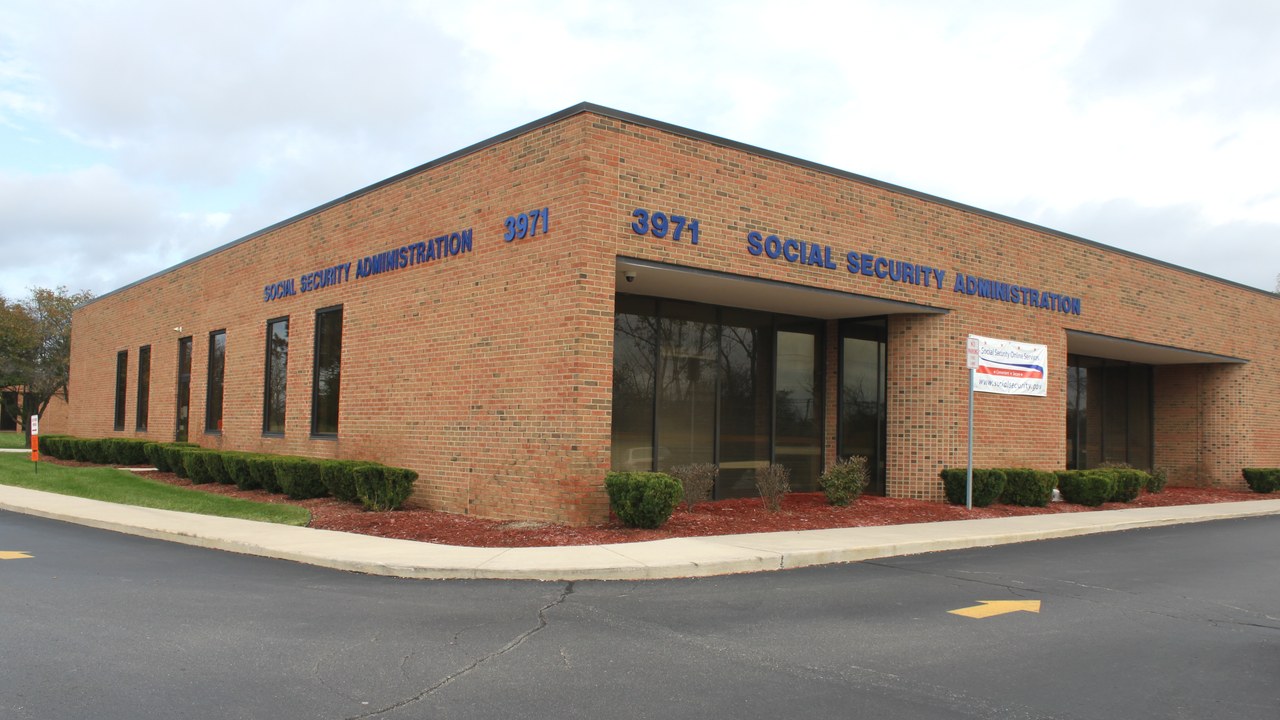
The Senior Citizens League, a nonprofit that tracks federal retiree benefits, estimates that Social Security’s 2027 cost-of-living adjustment will land at 3.5%, which would add about $68 to an average $1,940.08 monthly retirement check. The number is a projection, not an announcement: the Social Security Administration calculates and reveals the real percentage on October 14, 2026, using September inflation data that has not yet been published. Nothing in TSCL’s estimate is final, and past preseason projections from outside groups have moved before the official figure landed.
The estimate stops at October 14: TSCL’s 3.5% projection ends once the real percentage posts, and it says nothing about a deposit that runs late, which is exactly what The Social Security Check Protection Kit is built to cover. Check the 2026 payment calendar against a November deposit →
How The Senior Citizens League Built Its 3.5% Number
The Senior Citizens League has published its own Social Security cost-of-living projections for years, using the same formula the Social Security Administration is required by law to apply: the average change in the Consumer Price Index for Urban Wage Earners and Clerical Workers across July, August and September, measured against the same three months a year earlier. Two of those three months are already in hand. In its September 11 estimate, the group noted that the August reading, published that same day, came in at 3.5% year over year, and it projected the still-unreleased September figure to land close enough to hold the overall estimate at 3.5%.
That leaves exactly one month of data that can still move the number. TSCL’s math translates the 3.5% figure into a dollar amount using the average retirement benefit of $1,940.08, arriving at a $67.90 increase and a projected new average of $2,007.98. Both figures move together: if September inflation runs hotter or cooler than TSCL expects, the percentage, the dollar amount and the projected average all shift by the same proportion.
Why the Real Number Waits for One Government Report
The single piece of missing data is the Consumer Price Index for September 2026, and the Bureau of Labor Statistics’ own October 2026 release schedule lists that report for 8:30 a.m. Eastern on October 14, 2026. The Social Security Administration cannot finish its own calculation until that report exists, because the law ties the adjustment to the full third-quarter average, not to two months out of three. That is also the date SSA has said it will announce the 2027 COLA, so the estimate and the official figure are set to arrive within hours of each other rather than weeks apart.
Once the September CPI-W is public, the arithmetic is mechanical: SSA averages the three months, compares that average to the third quarter of 2025, and rounds the percentage difference to the nearest tenth of a point. There is no discretion in the formula and no separate vote or rulemaking; the agency simply runs the calculation and publishes the result the same day.
What $67.90 Would Change in a Household Budget
If TSCL’s estimate holds, a retiree collecting the average benefit would see a check that rises from $1,940.08 to roughly $2,007.98 a month starting with the January 2027 payment, the same timing pattern SSA has followed for every COLA in recent years. A raise of that size is modest against typical increases in rent, utilities and medical premiums, and TSCL has repeatedly noted in its own research that COLAs have not kept pace with what retirees actually spend. The estimate applies to the average benefit only; an individual’s own increase depends on their current monthly amount, since the adjustment is a percentage, not a flat dollar figure applied to every check equally.
How This Estimate Compares to Last Year’s Confirmed Raise
For context, the most recent COLA that actually took effect was 2.8%, determined on October 24, 2025 for the 2026 benefit year, according to the Social Security Administration’s own cost-of-living adjustment page, which also states plainly that “we will announce the next COLA in October 2026.” A 3.5% estimate, if it holds, would be larger than last year’s finalized 2.8% adjustment, though TSCL’s own projections have landed both above and below the eventual SSA figure in past years, depending on how the final month of data comes in.
Why Outside Estimates Have Missed Before
TSCL is one of several organizations that publish preseason COLA forecasts every year, and its projections are built from real, published inflation data rather than guesswork, but the group itself treats the number as provisional until the September reading is final. Estimates from various outside groups have shifted by several tenths of a percentage point between an August projection and the October announcement in years when the final month’s inflation reading surprised forecasters. That history is the reason TSCL frames 3.5% as an estimate with one month left before the announcement, not as a substitute for SSA’s own calculation.
The Social Security Administration’s own colasummary.html page remains the definitive source for the 2027 figure once it exists, and it will publish the confirmed percentage, the new average benefit and the resulting maximum taxable earnings figure on the same October 14 morning that the missing CPI-W data becomes public.
After October 14: The Deposit, Not the Percentage
Once SSA sets the actual 2027 percentage on October 14, the number that matters shifts from a projection to a real deposit: whether a December notice matches the announced figure, whether direct deposit updates on schedule for the January payment, and what happens if it doesn’t. None of that is addressed by an estimate, however close TSCL’s projection turns out to be.
The Social Security Check Protection Kit lays out the 2026 payment calendar and a first-24-hours plan for a payment that never arrives, alongside the three SSA forms that pause collection on a disputed overpayment notice.
Compare the payment calendar against a January deposit before assuming a delay is routine, with The Social Security Check Protection Kit.
This article was produced with AI assistance and reviewed by a human editor. Every figure here is linked to the primary source that published it, and where a number could not be confirmed, that limit is stated plainly.


