
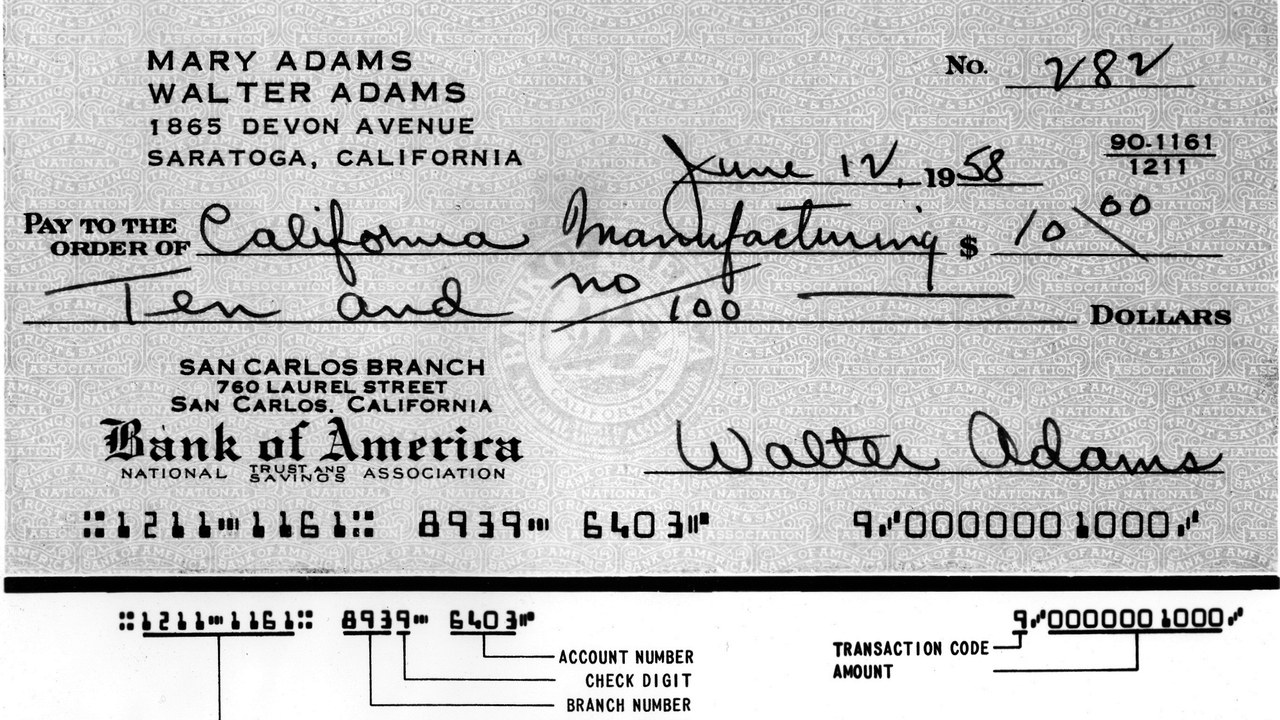
Sixteen times more likely to be lost, stolen, altered or returned undeliverable: that is how the Social Security Administration itself describes the risk of continuing to mail a paper benefit check rather than pay it electronically. The agency has set a deadline for closing that gap entirely, aiming to move every remaining beneficiary onto direct deposit or a prepaid debit card before this year runs out. For a beneficiary who has never set up either option, the deadline is less an announcement to read than a step that has to happen before the current payment method disappears.
A Deadline Set for This Year
Social Security’s own news release states that the agency “plans to complete the transition to electronic payments for all beneficiaries this year,” according to the page it published on August 1, 2026. The requirement behind that deadline is not new policy invented by Social Security itself: “As of September 30, 2025, federal law and Executive Order 14247 require federal benefits to be paid electronically,” meaning Social Security is executing a mandate that was already in force for close to a year before this latest push to finish it. The agency frames the 2026 target as the completion of that mandate, not the start of it: most beneficiaries already receive their payments electronically, and the remaining group still being mailed a check is the specific population this year’s deadline is aimed at moving.
Inside the kit: The 2026 payment calendar and a first-24-hours plan for a late or missing payment both assume a beneficiary knows which payment method is arriving, a question Social Security’s move to electronic-only payments is about to change for anyone still paid by paper check. Open The Social Security Check Protection Kit to see the calendar and the plan.
Why Social Security Calls Paper 16 Times Riskier
The 16-times figure compares outcomes for paper checks against electronic payments across the same set of failure modes: getting lost in the mail, being stolen, being altered after mailing, or bouncing back to Social Security as undeliverable because of a bad address. An electronic deposit or a Direct Express prepaid card removes each of those failure points at once, since there is no physical item traveling through the mail for someone to intercept, alter or misdirect, and no envelope sitting in an unlocked mailbox for however long it takes a beneficiary to notice a payment never arrived. Social Security’s release pairs that risk comparison with a cost figure: the agency says the average cost to print a check has climbed to $3.07 per check, about 20 times more than an automated electronic payment costs to send. Multiplied across the number of checks Social Security still mails every month, that printing cost is the budget side of the same argument the agency makes on security grounds: paper is both the riskier option for a beneficiary and the more expensive one for the program paying for it.
Switching to Direct Deposit or a Direct Express Card
Social Security lists signing into its online account portal as the quickest way to add or update bank information, calling it “the fastest way to make changes” on its direct deposit update page. A beneficiary without internet access can call 1-800-772-1213, Monday through Friday from 8 a.m. to 7 p.m., and tell the representative the account needs a direct deposit update, or schedule an in-person appointment through the same page instead, an option the agency lists specifically for anyone who would rather not handle the change over the phone or online. A bank can also send updated direct deposit information straight to Social Security through what the agency calls its Automated Enrollment process, without the beneficiary filing anything directly. Anyone without a bank account at all is not required to open one just to comply; enrolling in the Direct Express prepaid debit card program satisfies the electronic-payment requirement without a traditional checking account, and without the beneficiary having to shop for or maintain a separate bank relationship purely to satisfy the payment rule.
The Treasury Rule Behind Social Security’s Deadline
The legal foundation Social Security cites traces back to the Treasury Department’s own Bureau of the Fiscal Service, which administers the underlying statute. Treasury’s page on the requirement states that “31 U.S.C. 3332 generally requires all federal payments… be delivered by Direct Deposit,” and that a recipient who genuinely cannot comply can “obtain a waiver under Fiscal Service’s regulation at 31 CFR Part 208,” the same waiver path Social Security points beneficiaries toward for challenges such as a lack of nearby banking access. Neither agency’s page publishes a count of how many current waiver requests have been approved or denied, so the size of the group still headed for an exception rather than a switch is not something either page states. Treasury separately directs anyone without a bank account toward the FDIC’s GetBanked resource for opening one, rather than treating the absence of a bank account as an automatic exemption from the deposit requirement. That distinction matters for anyone assuming the mandate simply does not reach unbanked households: the expectation is that they open an account or enroll in Direct Express, not that they keep receiving a check indefinitely because a bank account was never part of their finances before.
A Payment Method Change and the Notices That Follow
Moving to electronic-only payments changes how a benefit arrives, not the underlying calendar it arrives on, and a beneficiary switching from a paper check to direct deposit or a Direct Express card still has to confirm the new deposit lands on the expected date and matches the expected amount. A missed or delayed first electronic payment leaves the same practical problem as a lost paper check, just with a different cause behind it.
The Social Security Check Protection Kit lays out the 2026 payment calendar and a first-24-hours plan for a late or missing payment, alongside guidance on locking down a direct deposit against fraud once it replaces a paper check.
Check the 2026 payment calendar against a new deposit date in The Social Security Check Protection Kit.
This article was produced with AI assistance and reviewed by a human editor, drawing its figures directly from Social Security’s and Treasury’s own pages.


