
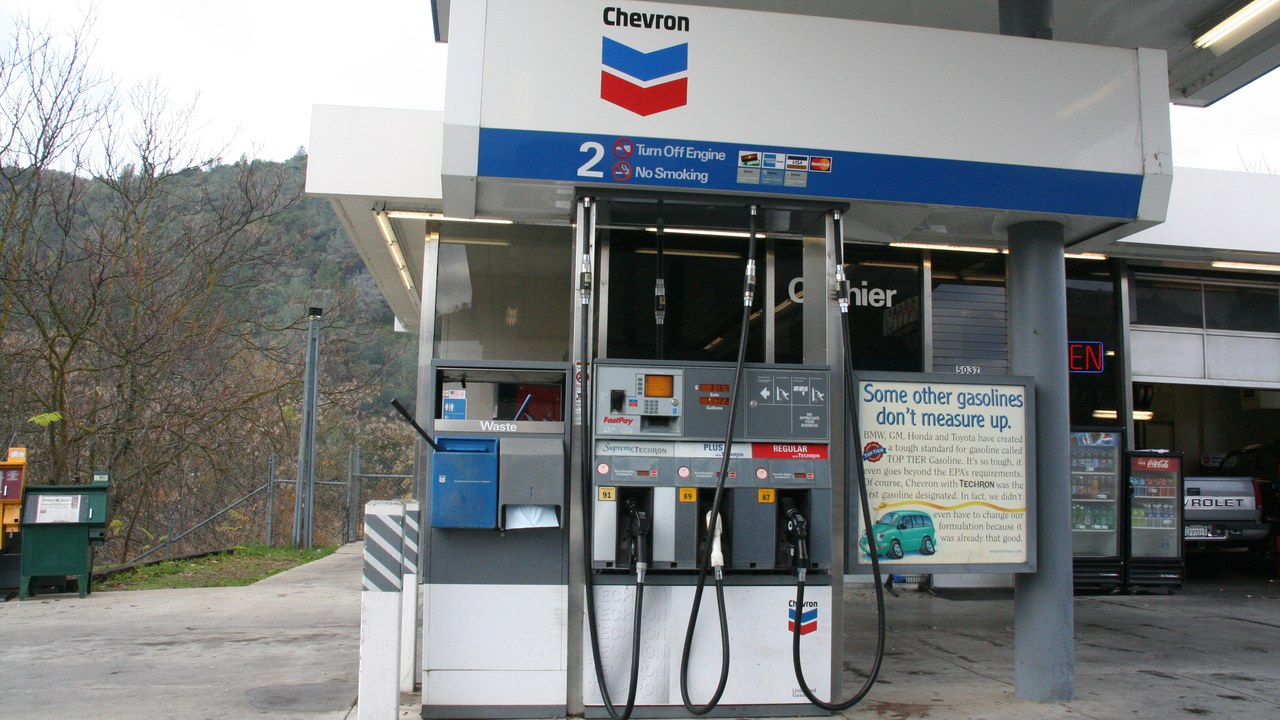
Four states have already moved to cut, freeze or suspend their gas taxes this year, and a fifth is now deciding whether to join them. Indiana, Utah, Illinois and Kentucky have each taken a different route to lower the tax portion of the pump price, while Ohio lawmakers are weighing a 90-day suspension of their own. The moves come as the national average price of gas reached $4.74 a gallon on September 23.
The National Average: $4.74 A Gallon
Regular gasoline averaged $4.74 a gallon nationwide on September 23, according to a Newsweek report published September 24 that tracked gas-price relief measures across 17 states. Diesel averaged $6.52 the same day. With prices elevated in most of the country, state gas taxes, which typically make up 20 to 60 cents of every gallon depending on the state, have become one of the few levers governors and legislatures can pull without waiting on Washington or on global oil markets to change course.
The Newsweek report counted five states with relief already enacted, two more with proposals pending, and ten where a cut or freeze had stalled or failed to advance, including Arizona, Alabama, California, Connecticut, Florida, Maryland, New York, Pennsylvania, South Carolina and West Virginia. That split shows how uneven the response has been: some legislatures moved within days of prices climbing, while others considered similar ideas and set them aside, often over concern about the lost revenue a gas tax normally provides for road and bridge repairs.
A tax cut at the pump does not touch the property-tax bill: Gas taxes can be suspended by a governor’s order or a short bill, but property-tax relief almost always has to be applied for on its own separate schedule. Look up which of the five kinds of property-tax relief reach renters as well as homeowners in The Senior Property Tax & Home-Cost Relief Kit.
Indiana And Utah: Two Different Kinds Of Cuts
Indiana has gone furthest, suspending both its gas excise tax and its gas use tax, a combined reduction Newsweek put at roughly 60 cents a gallon, running through October 5. Utah took a smaller but longer-lasting approach, reducing its state gas tax by 15 percent through December 31 under House Bill 575, the Fuel Tax and Supply Amendments passed by the Utah Legislature during its 2026 general session. Where Indiana’s move is a full-scale, time-limited suspension of two separate taxes, Utah’s is a smaller percentage cut written to last through the end of the year rather than a matter of days or weeks.
Illinois And Kentucky: Freezing A Tax Before It Rises
Illinois and Kentucky both intervened before a scheduled increase could take effect, rather than cutting an existing rate. Illinois suspended a Consumer Price Index adjustment to its motor fuel tax that had been set to take effect July 1, keeping the rate from climbing automatically the way it has in past years under the state’s inflation-indexing law, which ties the tax to inflation and typically raises it every summer. Kentucky froze its gas tax at 10 cents below where it was headed, canceling an increase that had been expected to take effect in January, according to the same Newsweek report; Kentucky’s excise tax is normally recalculated each year based on the average wholesale price of gasoline, so freezing it required lawmakers to override that formula. Both moves stop a rate from rising rather than lowering a rate that is already in place, which is a different kind of relief than Indiana’s or Utah’s, even though the effect at the pump looks similar to a driver filling up.
Ohio’s 90-Day Proposal, Still Just A Proposal
Ohio has not cut its gas tax. Lawmakers there are weighing a 90-day suspension of the state’s 38.5-cent gas tax, a proposal Newsweek listed as pending rather than enacted. A Statehouse News Bureau report published the same day put the potential cost of a 90-day holiday near $700 million and described the measure as still moving through the legislature rather than signed into law. Unlike Indiana’s suspension or Utah’s percentage cut, nothing in Ohio has changed yet at the pump, and the proposal could still be amended, delayed or rejected before lawmakers vote.
How Much Of A Tax Cut Reaches The Pump
Cutting a state gas tax does not automatically mean the full amount shows up in the price a driver pays. The Tax Foundation, a nonpartisan tax policy research group, has estimated that around 80 to 90 percent of a rate cut typically passes through to lower prices at the pump, with the remainder absorbed elsewhere in the fuel supply chain rather than reaching the customer. That means a driver in Indiana is unlikely to see the full 60-cent reduction reflected at the pump, and a Utah driver is unlikely to see the full 15 percent of the state tax subtracted from the price on the sign, even while both states’ relief is fully in effect. The gap tends to widen further from a state’s borders, since stations near a state line often adjust prices based on competition with a neighboring state rather than on the tax cut alone, and retailers do not always pass along a rate change on the same day it takes effect.
Five States, Five Gas-Tax Decisions, And A Home Budget Still Waiting On Its Own Relief
Indiana, Utah, Illinois and Kentucky each found a way to act on gas taxes within weeks, and Ohio may follow. Property-tax bills and home-energy costs do not move that quickly; most relief for those costs still requires a household to find the right program and file for it before a deadline passes.
The Senior Property Tax & Home-Cost Relief Kit lays out the circuit-breaker credit that also reaches renters and where to find help with heating, cooling and home-repair costs, the kind of expenses no governor’s order adjusts automatically.
See the circuit-breaker credit for renters explained in The Senior Property Tax & Home-Cost Relief Kit.
This article was produced with AI assistance and reviewed by a human editor. Figures are linked to the reports where they were verified.


